

Journey with me across NC!
-
 Featured
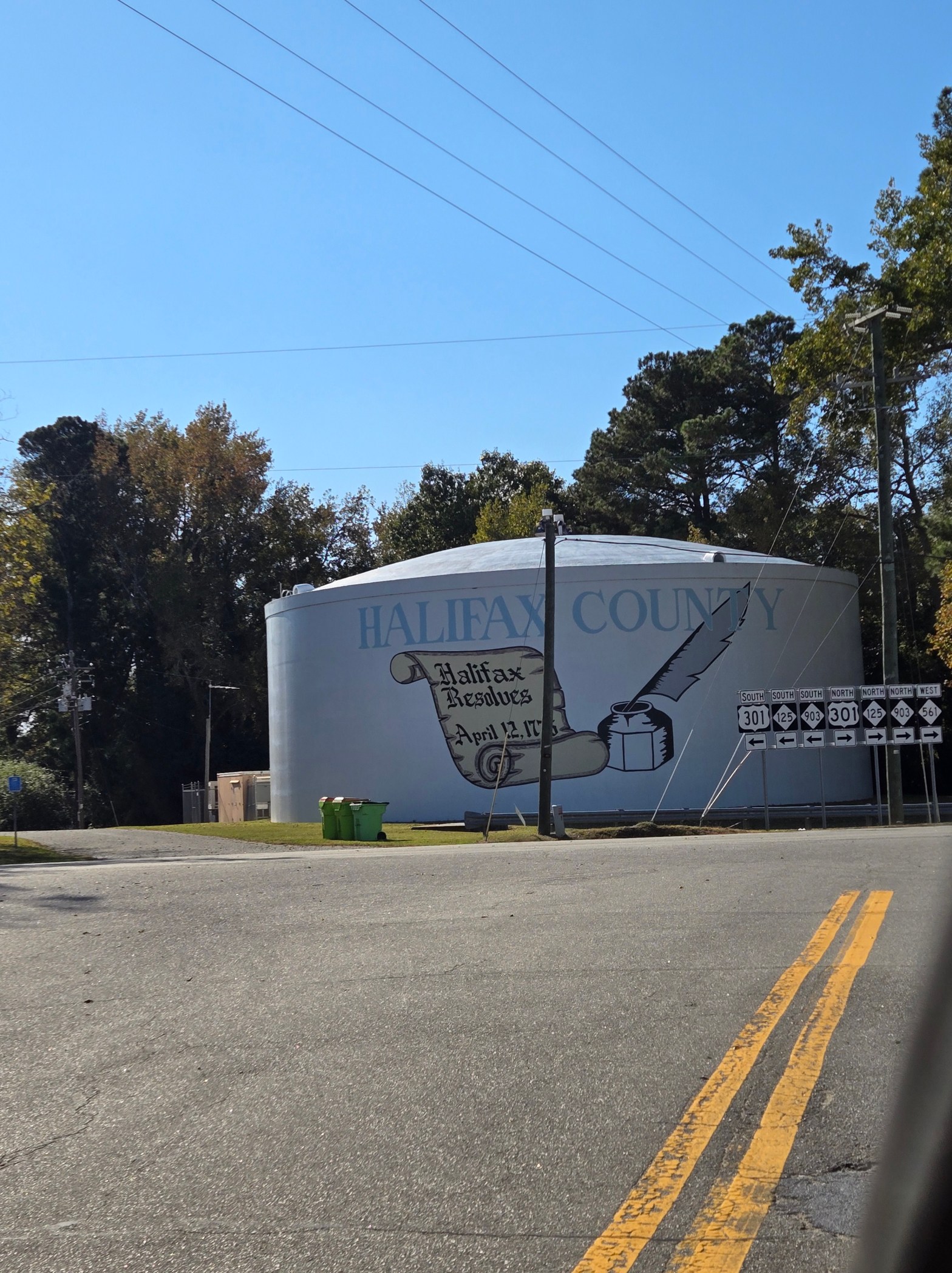
Journey through Halifax County
Halifax County is located in North Carolina’s Piedmont, Coastal Plain, and Atlantic Coast Flatwoods regions. Much of the region’s geography and history were shaped by the Roanoke River, which forms the northern boundary of Halifax County. According to Preservation North Carolina, “Halifax County is one of the oldest counties in North Carolina with a rich… Read more
-
 Featured
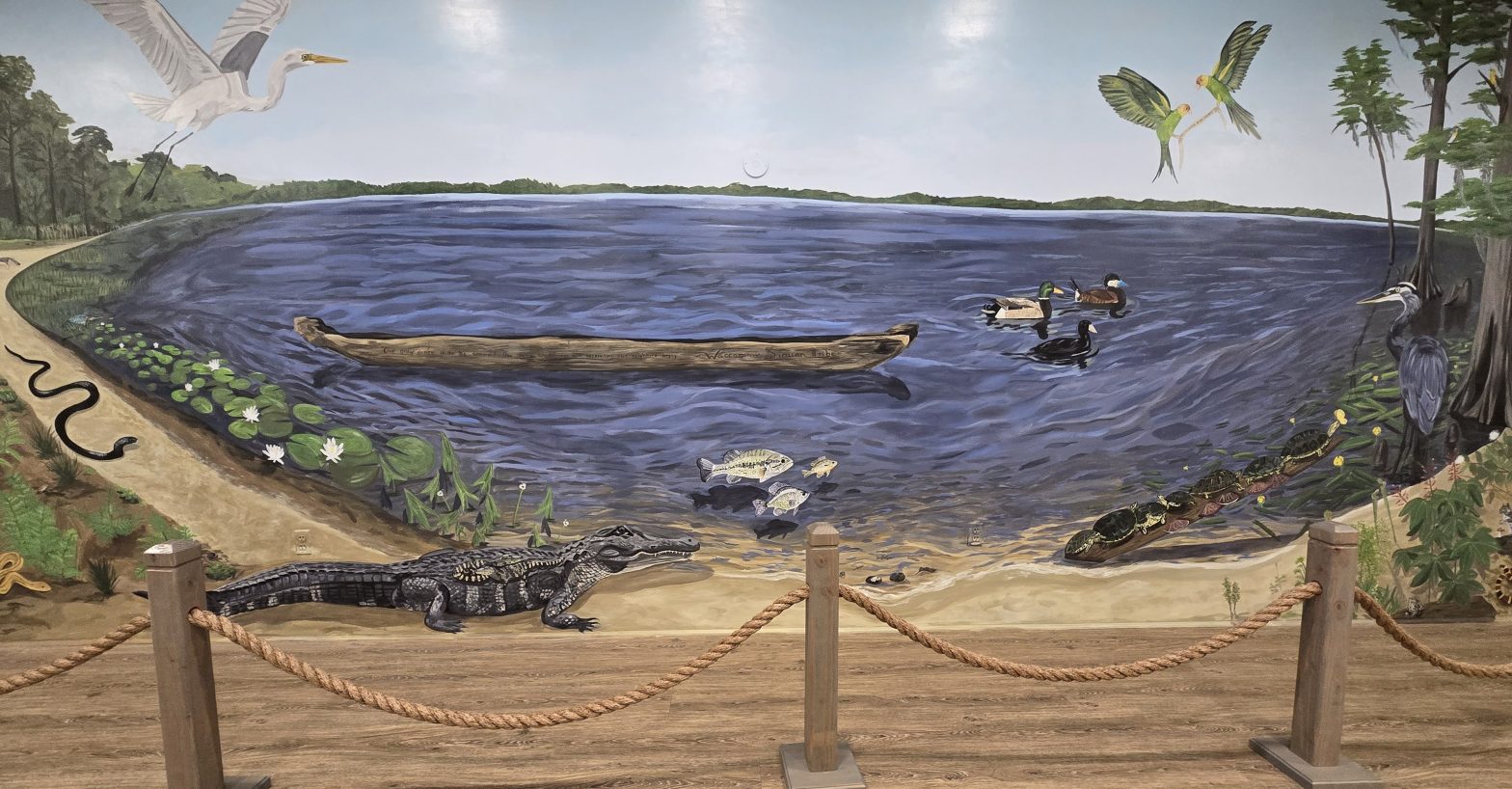
Journey through Columbus County
While traversing Columbus County, you’ll find frequent roadside produce stands, carrying a variety of local fruit and vegetables, including corn and watermelon. You’ll also see numerous tobacco fields throughout the county. The area is also home to many wetlands and marshy areas, often with the water levels not far from the roadway. So take special… Read more
-
 Featured
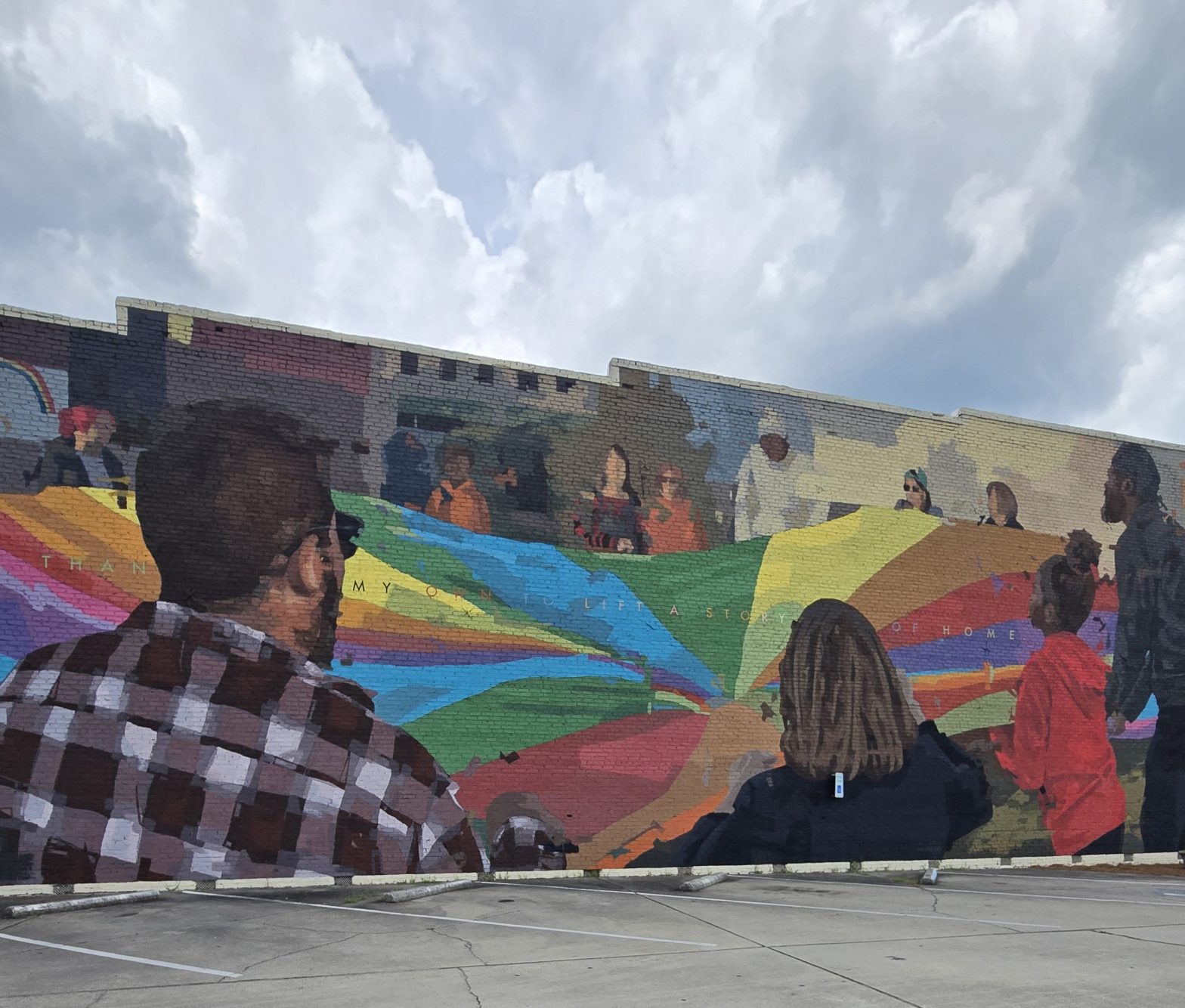
Journey through Bertie County
Bertie County was first formed as Bertie Precinct in 1722 from the part of Chowan Precinct of Albemarle County lying west of the Chowan River. It was named for James Bertie, his brother Henry Bertie, or perhaps both, each having been one of the Lords Proprietors of Carolina. In 1729 parts of Bertie Precinct, Chowan… Read more
-
 Featured
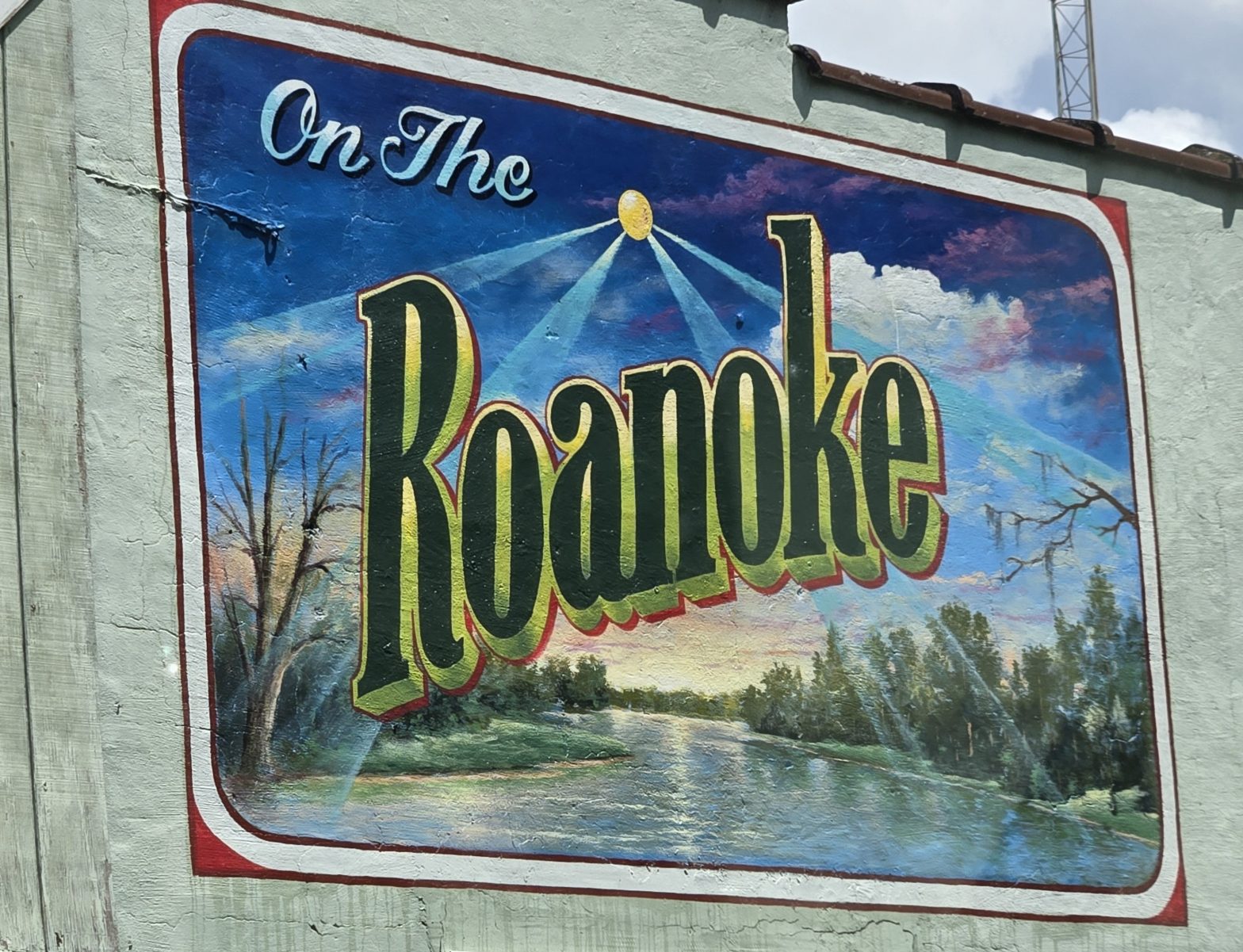
Journey through Martin County
Named for Josiah Martin, the last royal governor of North Carolina (1771–75), Martin County was formed in 1774 from the southeastern part of Halifax County and the western part of Tyrrell County. Wilber Hardee, the founder of Hardee’s is from Martin County. Parmele The town was settled in 1890 when the Wilmington and Weldon Railroad… Read more
-
 Featured
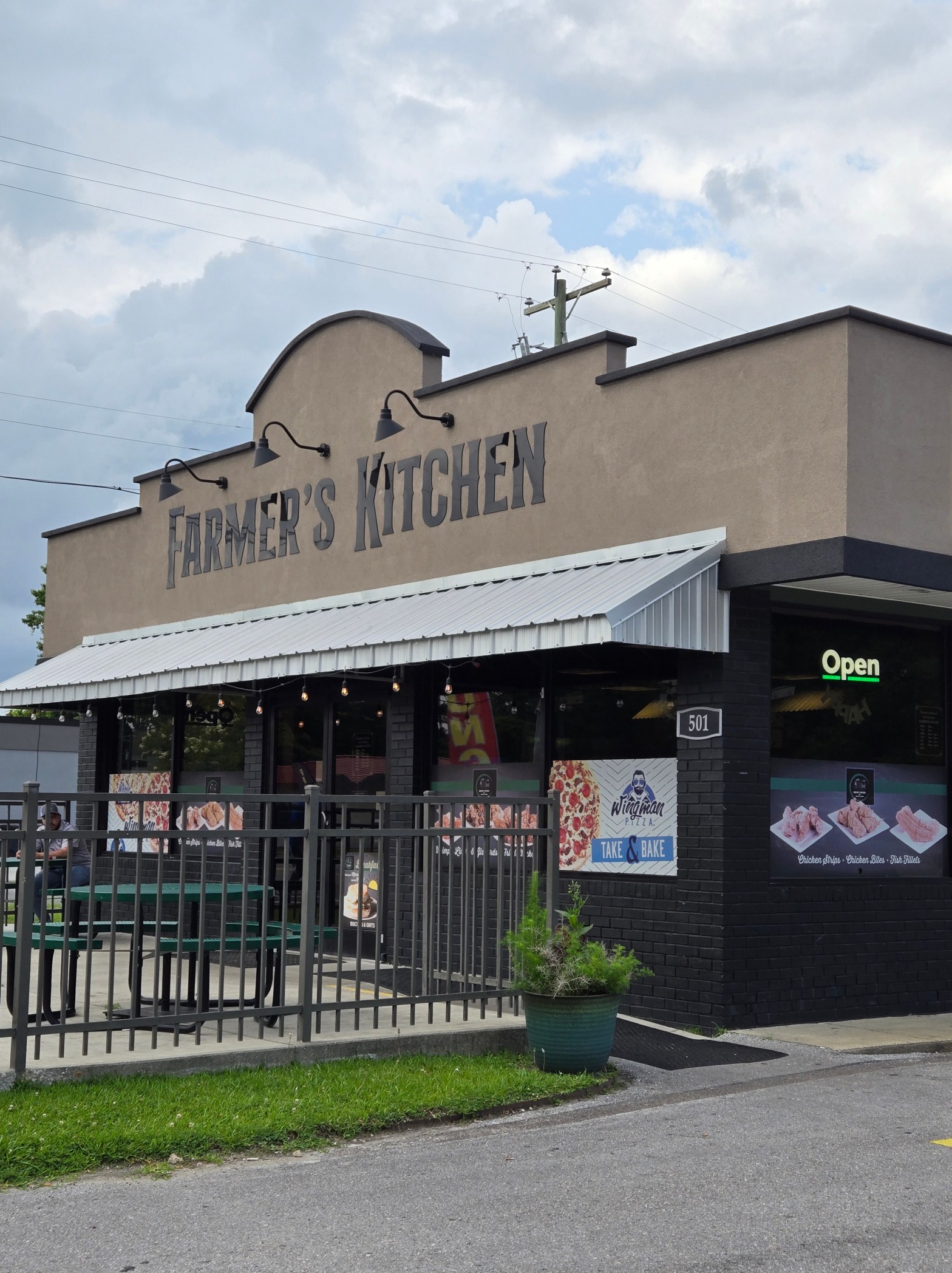
Journey through Jones County
Jones County is the fourth-least populous county in North Carolina. Its county seat is Trenton. There are only three incorporated towns in Jones County: Pollocksville, Trenton, and Maysville. The area eventually encompassing Jones County was inhabited by Tuscarora Native Americans before the arrival of German and Swiss settlers in the early 1700s. The county was… Read more
-
 Featured
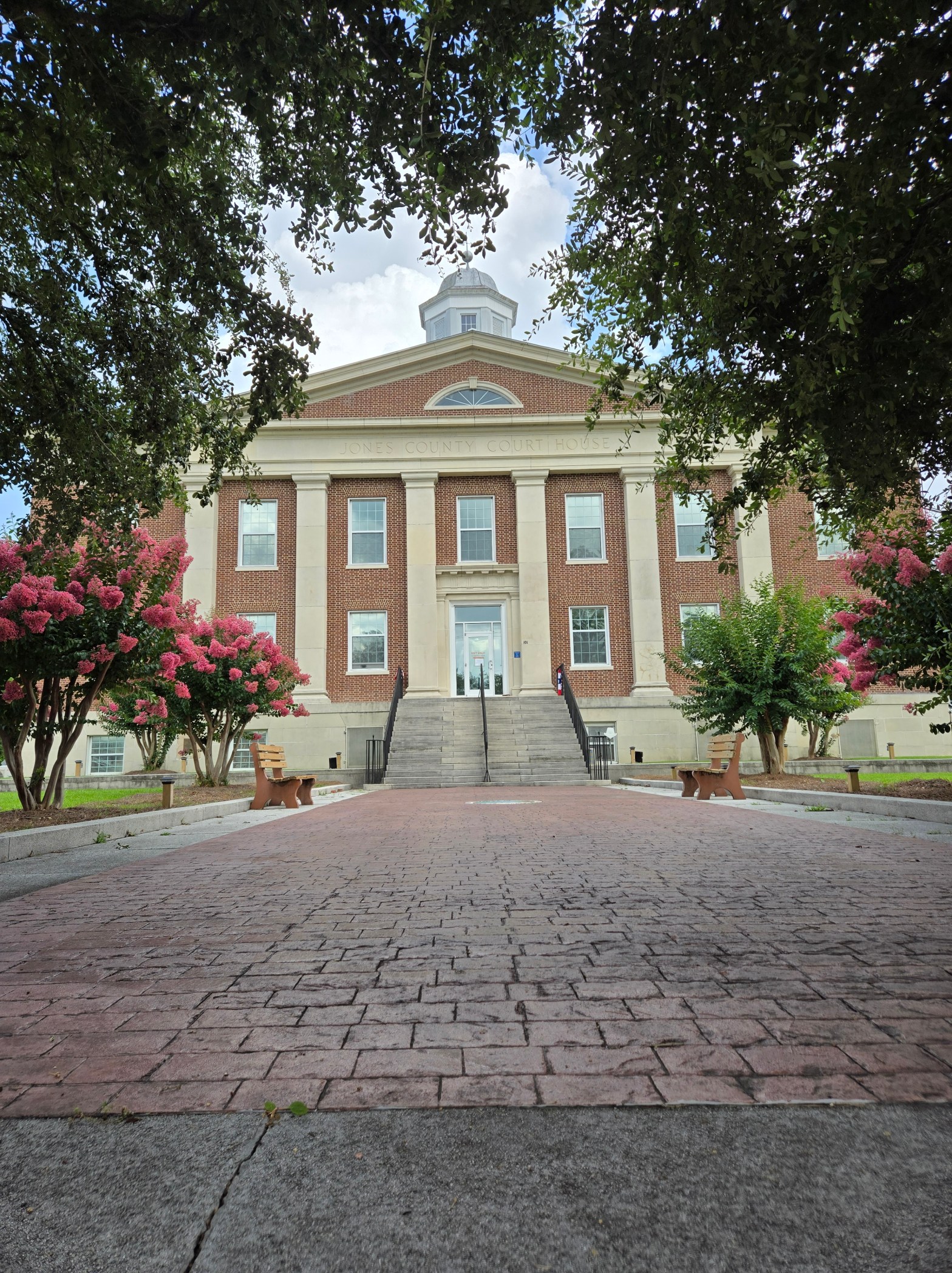
Journey through Duplin County
Duplin County was formed in 1750 from New Hanover County. It was named for Thomas Hay, Viscount Dupplin (later 9th Earl of Kinnoull), as he was known when he served on the Board of Trade and Plantations in England in the 1740s. In 1784, the western part of Duplin County became Sampson County. The county’s… Read more
-
 Featured
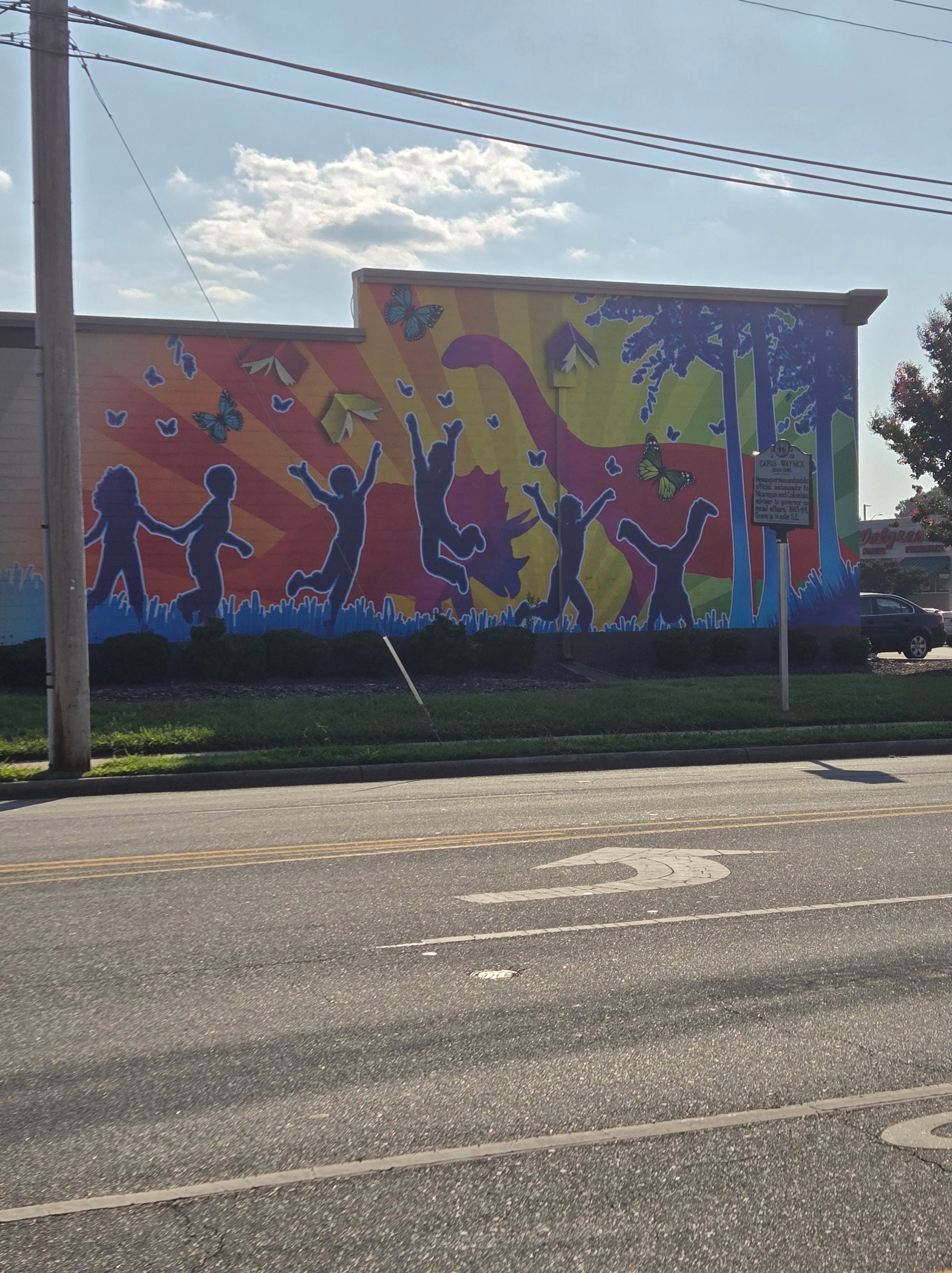
Journey through Guilford County
Guilford County is the third-most populous county (and city) in North Carolina behind Mecklenburg County (Charlotte) and Wake County (Raleigh). The original inhabitants of the area were a Siouan-speaking people called the Cheraw. Beginning in the 1740s, settlers arrived in the region in search of fertile and affordable land. These first settlers included American Quakers… Read more
-
 Featured
Journey through Raleigh
Raleigh is the second-largest city in North Carolina by population, fifth-largest by size, the 10th-most populous city in the Southeast, the 41st-most populous city in the U.S., and the largest city of the Research Triangle metro area. Raleigh is known as the “City of Oaks” for its many oak trees, which line the streets in… Read more
-
 Featured
Journey through Wake County
Wake County was formed in 1770 from parts of Cumberland, Johnston, and Orange Counties. And prior to English colonization, present-day Wake County was part of the Tuscarora nation. However, Wake County did lose some of its territory through the formation of other counties, including Franklin County in 1787 and in Durham County in both 1881… Read more
-
 Featured
Journey through Forsyth County
Forsyth County was formed in 1849 from Stokes County and was named for Colonel Benjamin Forsyth, who was killed in the War of 1812. The town of Horneytown in Forsyth County was named for the Horney family of early settlers, and it has frequently been noted on lists of unusual place names. Clemmons Originally named… Read more
-
 Featured
Journey through Nash County
Nash County was formed in 1777 from Edgecombe County. It was named for American Revolutionary War Brigadier General Francis Nash, who was mortally wounded at the Battle of Germantown that year. In 1855, parts of Nash, Edgecombe, Johnston, and Wayne counties were combined to form Wilson County. Bailey There seems to be multiple overlapping and… Read more
-
 Featured
Journey through Edgecombe County
Edgecombe County was formed by Anglo Europeans in 1741 from Bertie County. It was named for Richard Edgcumbe, a Member of English Parliament from 1701 to 1742 and a lord of the treasury. He became 1st Baron Richard Edgecombe in 1742. In 1746, part of Edgecombe County became Granville County; in 1758, another portion became… Read more
-
 Featured
Journey through Davidson County
The original Davidson County was formed in 1786 as the far western portion of North Carolina, with its county seat at Nashville and a territory covering most of what is now Middle Tennessee. However, when Tennessee was established as a separate state in 1796, this county became Davidson County, Tennessee. The current North Carolina county… Read more
-
 Featured
Journey through Pitt County
If I could associate a color with Pitt County, it would most certainly be purple, as Greenville in Pitt County is home of the Eastern Carolina University (ECU) pirates. In addition to having a college town metropolis, you’ll also find a plethora of farmland, including tobacco, corn, dense pine forests, tobacco farms, and fertilizer mining… Read more
-
 Featured
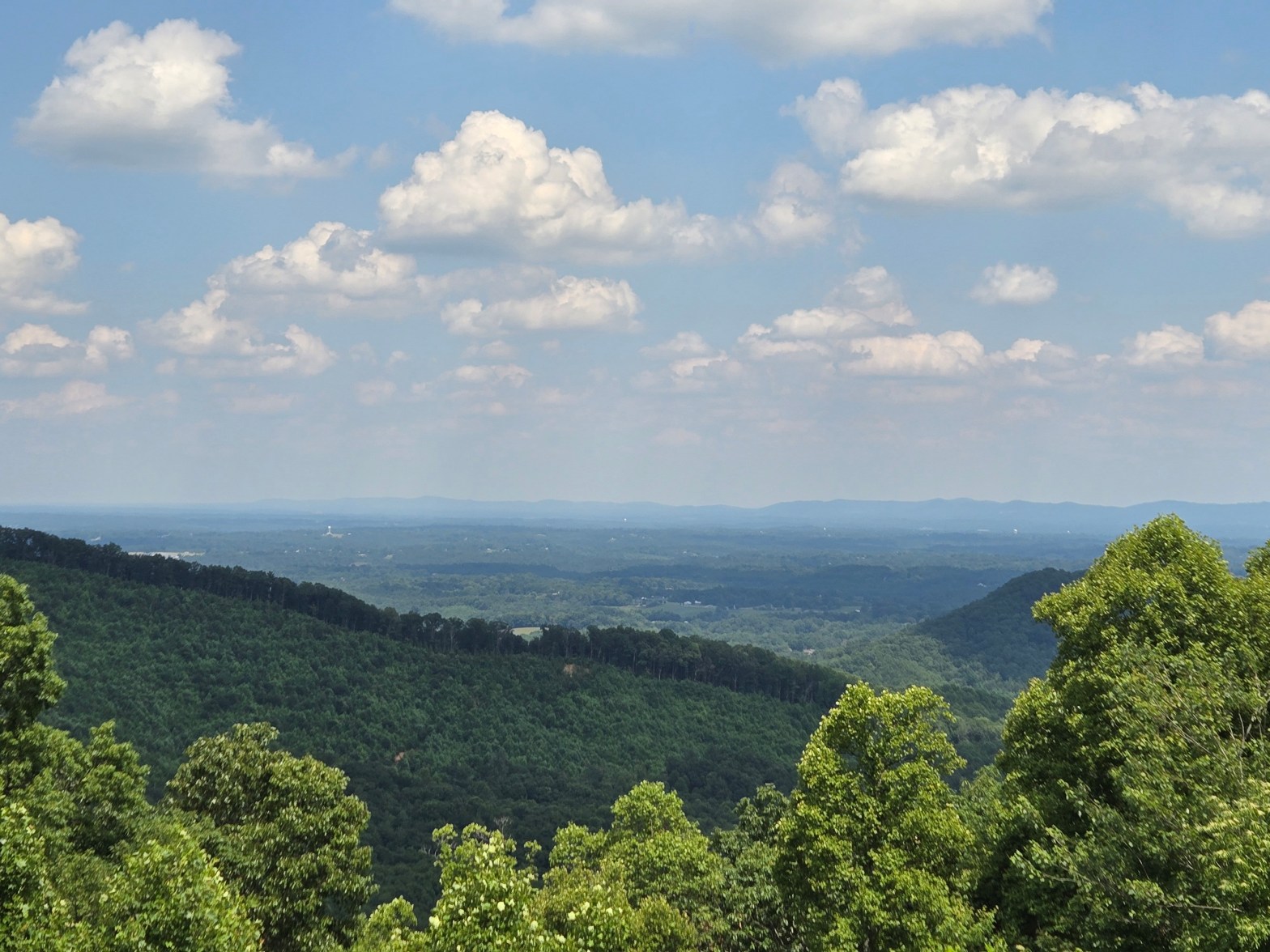
Journey through Wilkes County
Wilkes is also one of the 27 North Carolina counties which the Blue Ridge Parkway runs through. Here you’ll discover lots of farms and orchards along your drive as well as surprising mountain vistas and bountiful scenic overlooks. The county was formed from parts of Surry County and was named for the English political radical… Read more
-
 Featured
Journey through Hertford County
Dotted with family cemeteries and occasional solar farms, Hertford County is painted with a plethora of open land and fields, lush farms and forests, as well as marshland. Psst… from late spring to early fall, watch out for turtles, big and small, crossing the road. The area was first settled in the 18th century with… Read more
-
 Featured
Journey through Northampton County
Surrounded by the Roanoke and Meherrin Rivers, the Northampton County area was first organized under English colonial authority as the Albemarle Precinct. In 1729 part of Albemarle was split off to form Bertie County; then Northampton County was formed from part of Bertie in 1741. The county was named for James Compton, the fifth Earl… Read more
-
 Featured
Journey through Burlington, NC
Discover Burlington at the heart of Alamance County! The need of the North Carolina Railroad in the 1850s to locate land where they could build, repair and do maintenance on its track was the genesis of Burlington, North Carolina. The company selected a piece of land slightly west of present-day Graham. On January 29, 1856,… Read more
-
 Featured
Journey through Alamance County
Alamance County was formed on January 29, 1849 from Orange County. Alamance County was named after Great Alamance Creek, the site of the Battle of Alamance (May 16, 1771), a pre-Revolutionary War battle in which militia under the command of Governor William Tryon crushed the Regulator movement. Great Alamance Creek, and Little Alamance Creek, according… Read more
-
 Featured
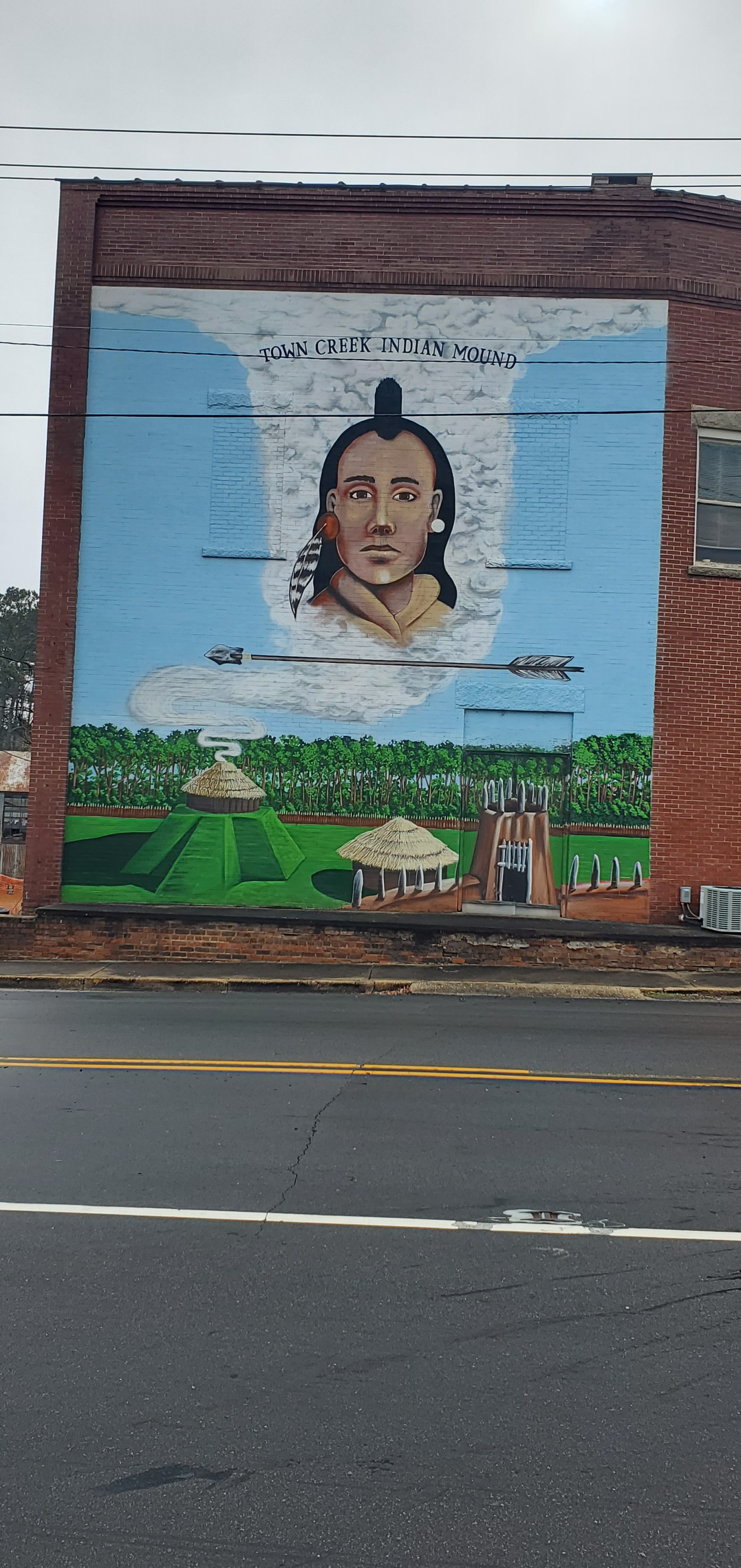
Journey through Montgomery County
The first inhabitants of the area eventually comprising Montgomery County were Keyauwee and Cheraw Native Americans. And the first European settlers were German and Scottish. Montgomery County was created in 1779 out of Anson County. It was named in honor of Richard Montgomery, an American Revolutionary War general killed in 1775 while attempting to capture… Read more
-
 Featured
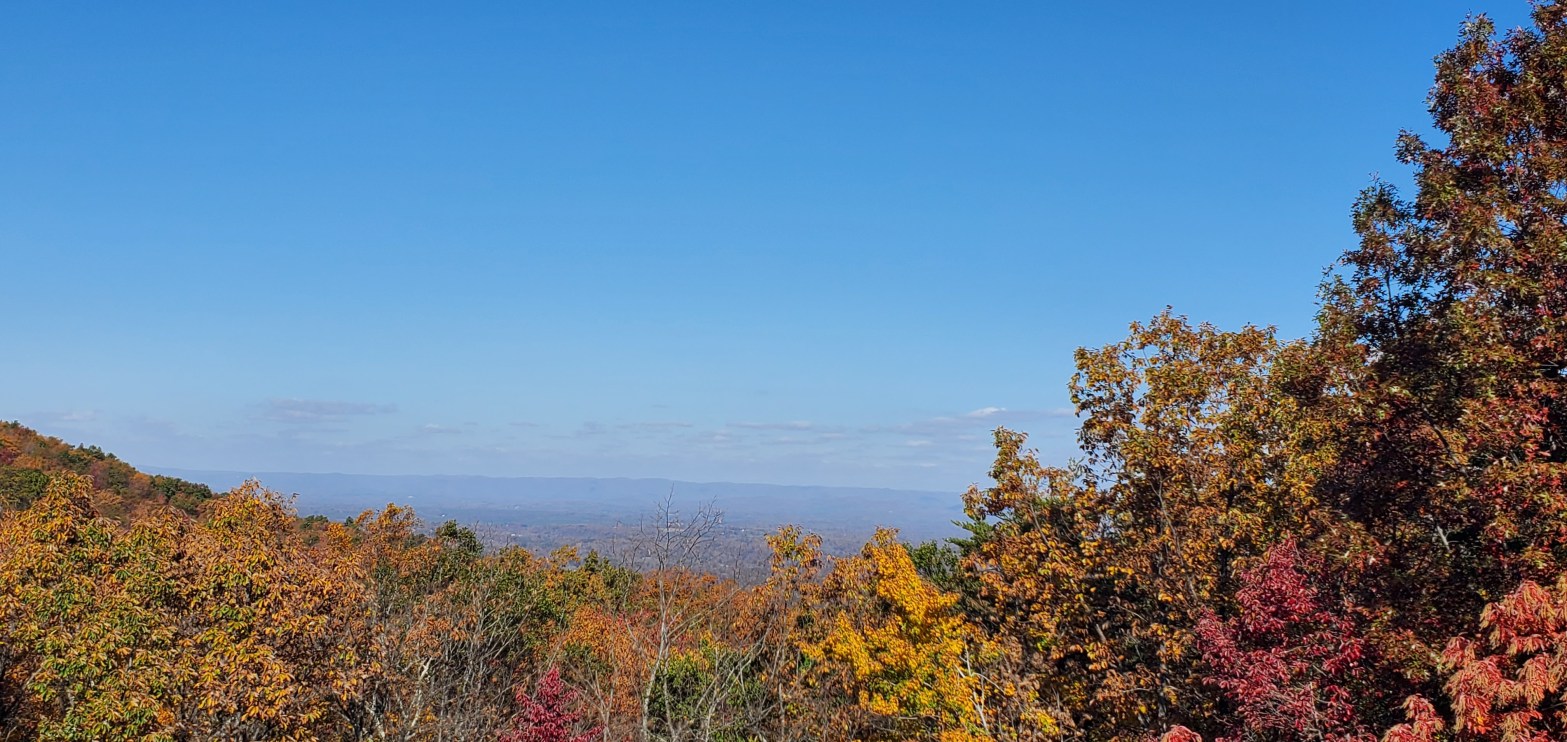
Journey through Stokes County
Stokes county was formed in 1789 from Surry County; and before 1770, it was part of Rowan County. The county was named for John Stokes, an American Revolutionary War captain severely wounded when British Colonel Banastre Tarleton’s cavalry practically destroyed Col. Abraham Buford’s Virginia regiment in the Waxhaws region in 1780. Stokes was most heavily… Read more
-
 Featured
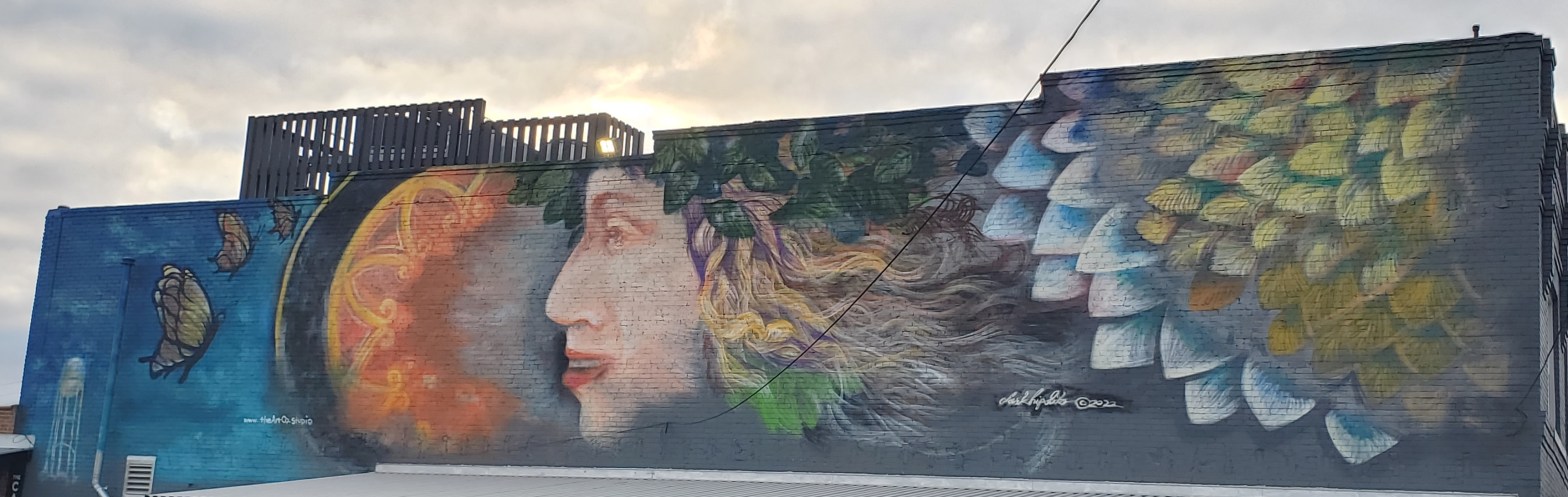
Journey through Johnston County
Named for Governor Gabriel Johnston, Johnston County, or JoCo as it is affectionately called today, was established on June 28, 1746, from the upper part of Craven County. Located in the southeastern part of North Carolina, farming has a primary business since its earliest days. Most early growers in Johnston County were subsistence farmers. A… Read more
-
 Featured
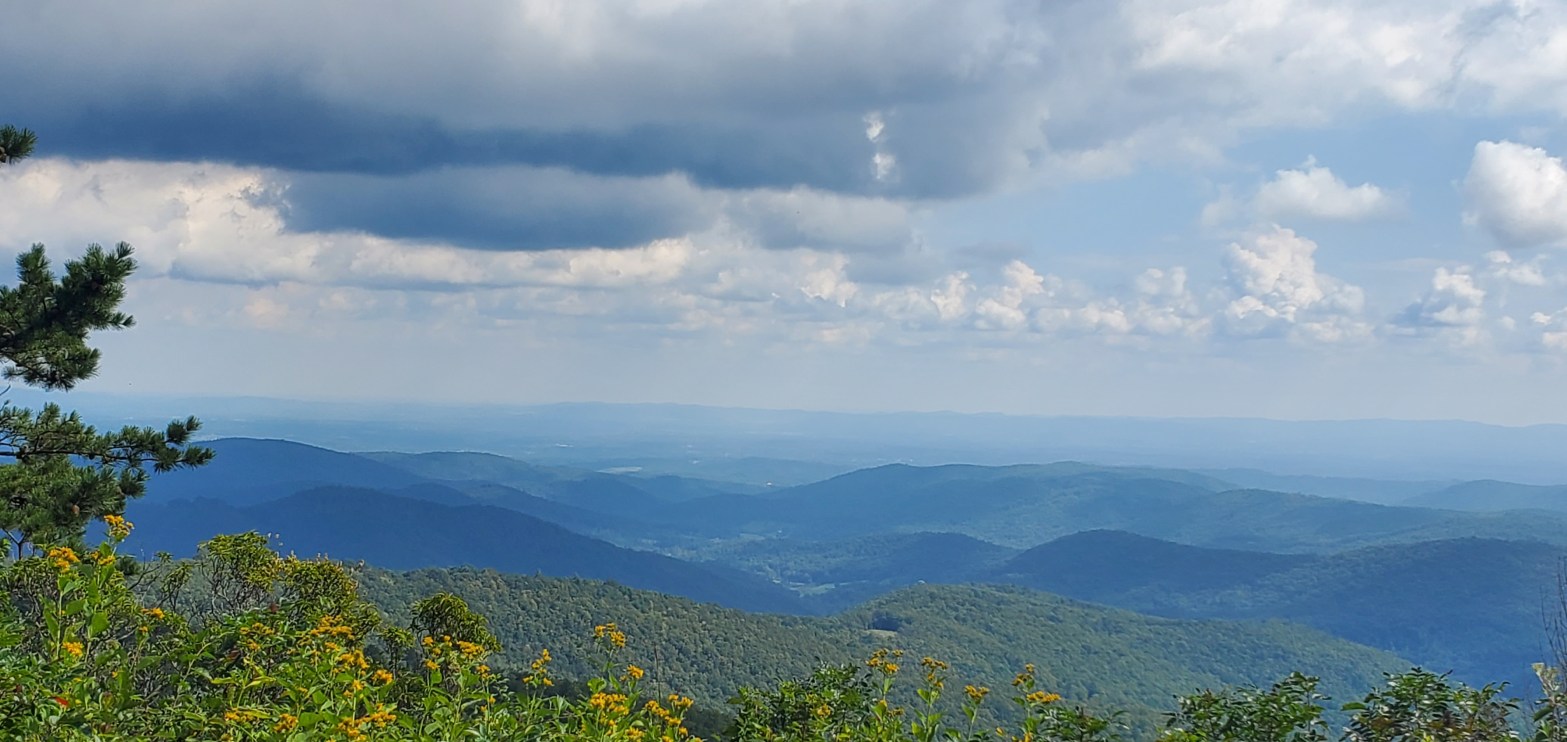
Journey through Alleghany County
The fifth smallest county in North Carolina, Alleghany County was formed from parts of Ashe County in 1859 by an act of the North Carolina General Assembly. The county received its name from the Allegewi Indian word “oolikhanna” (beautiful stream). In 1825, Bower’s Store became Alleghany’s county seat. The earliest inhabitants of the area eventually… Read more
-
 Featured
Journey through Bladen County
Throughout Bladen County, you’ll find a plethora of pine trees, as it is part of the Southern Pines/Sandhills region, as well as corn, soy bean, watermelon, and blueberry fields as well as turf farms. Curiously, you’ll also happen upon a large number of private family cemeteries–some roadside and some set back on private land. As… Read more
-
 Featured
Journey through Sampson County
A drive through Sampson County will quickly reveal that it is largely an agricultural area. You’ll pass by outstretched fields of corn, tobacco, soy bean, and even watermelon. The area is also known for its blueberry farms, sandy soil, pine groves and forests, and cypress swamps as well as occasional palm trees and Spanish moss.… Read more
-
 Featured
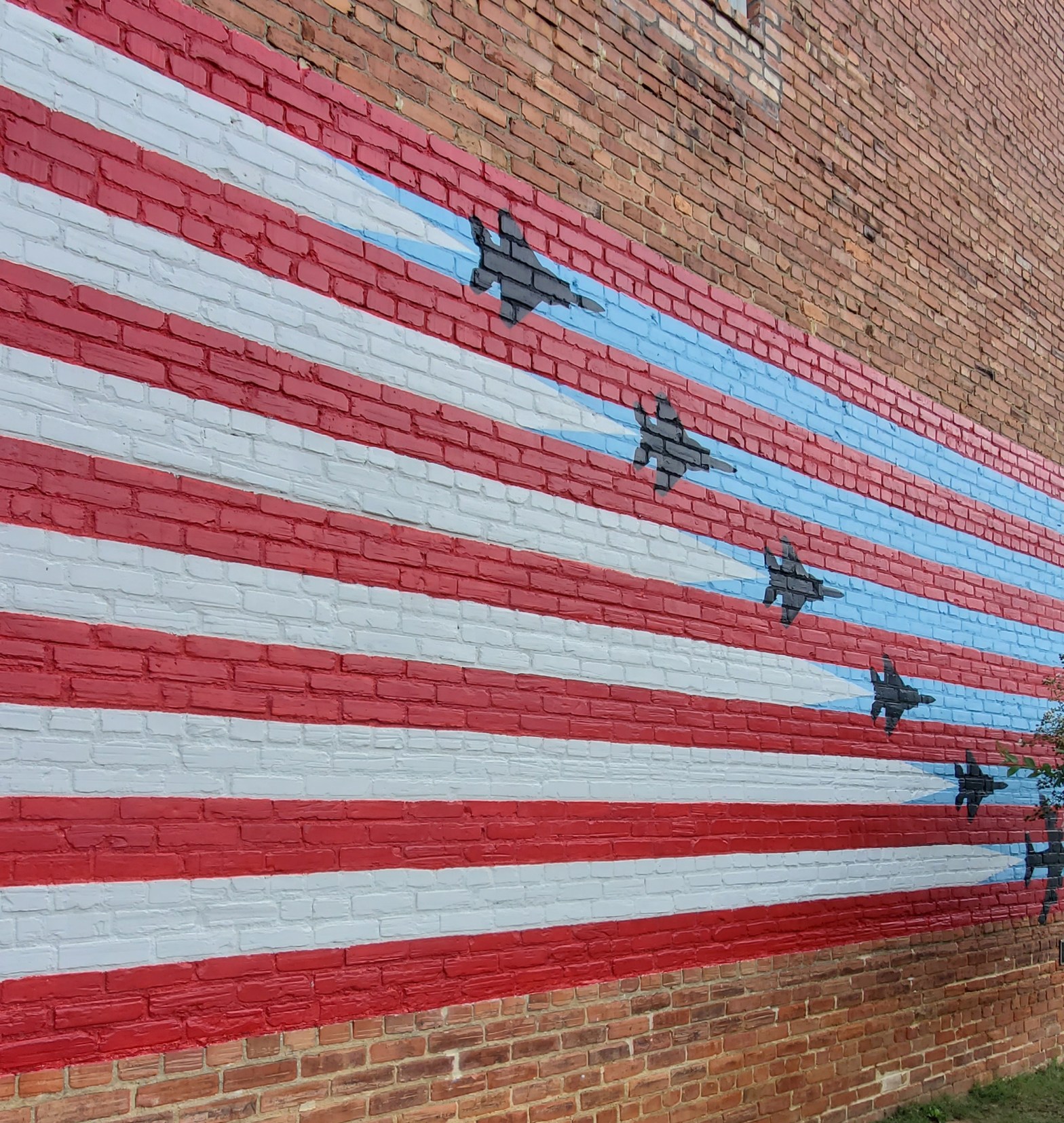
Journey through Wayne County
Wayne County, North Carolina was founded in 1779 and named for the Revolutionary War hero from Pennsylvania, General Anthony Wayne. Prior to 1730, Indians and wild animals were the only known occupants of the territory. Settlers trickled into the territory, but there was no general movement of immigration until after 1750. During the Revolutionary War,… Read more
-
 Featured
Journey through Lenoir County
Lenoir county was formed in 1791 from the southern part of Dobbs County and was named for William Lenoir (1751-1839), an officer in the American Revolutionary War who took part in the Battle of Kings Mountain. The area hosts a BBQ Fest on the Neuse in May each year, including a car/truck show. You can… Read more
-
 Featured
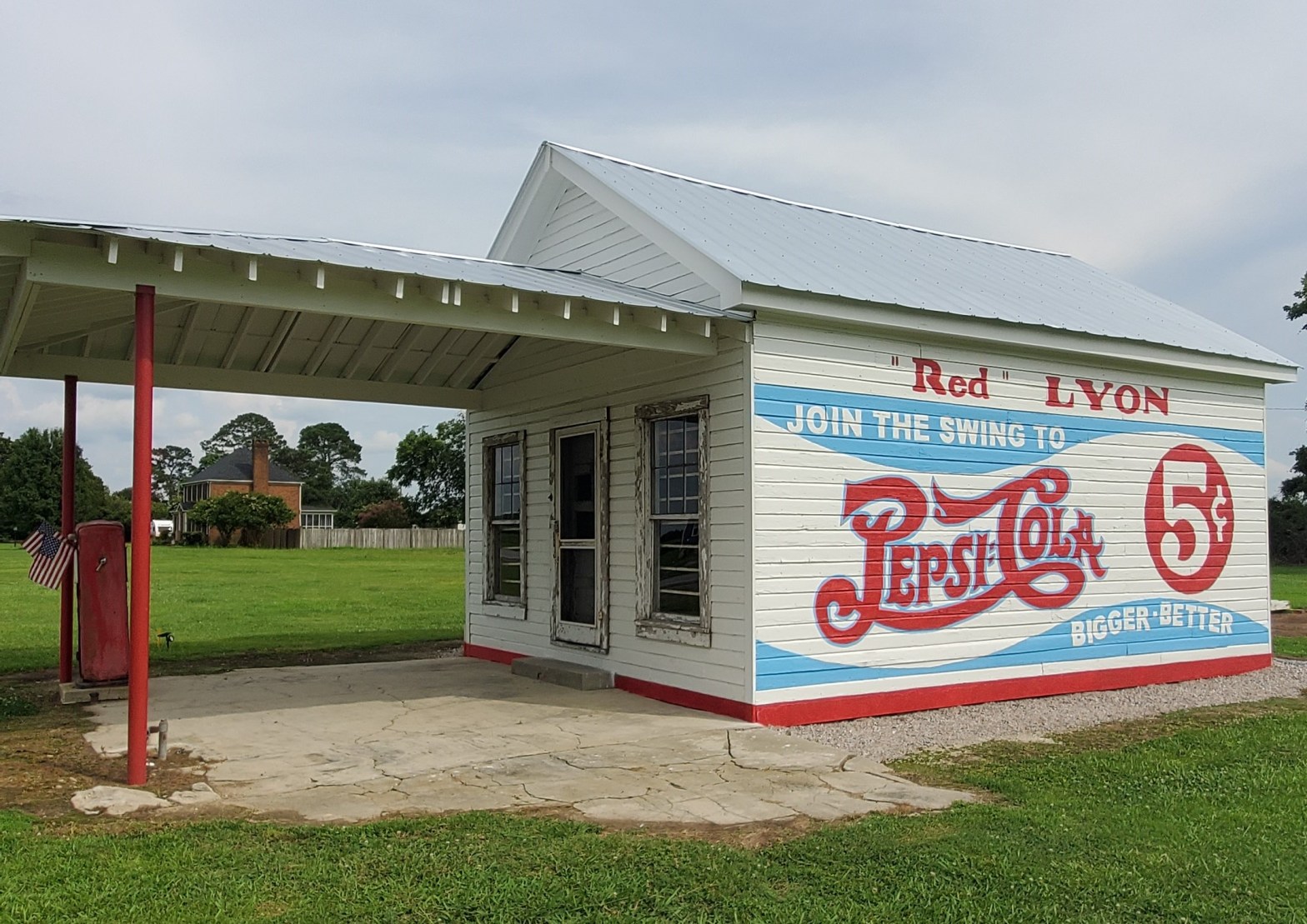
Journey through Greene County
Tourism-wise, there’s not a whole lot that creates interest in Greene County, but there is some interesting history here. Greene County was named in honor of Nathanael Greene, one of General Washington’s right-hand men, as was the Piedmont city of Greensboro, NC. As part of a land grant by King Charles II of England in… Read more
-
 Featured
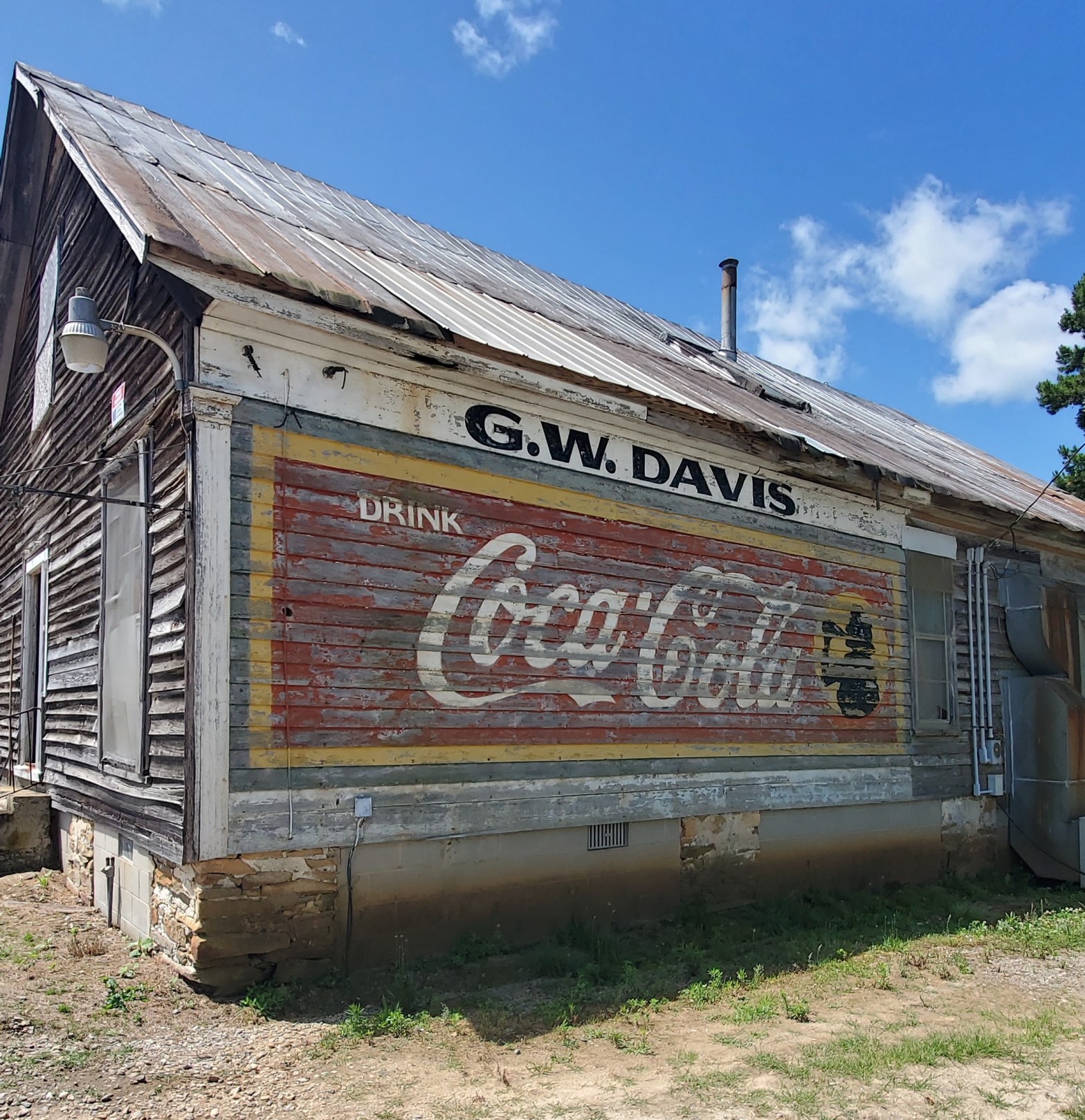
Journey through Warren County
Warren County Once one of the wealthiest counties in the state from 1840 to 1860 as the center of tobacco and cotton plantations, education, and later textile mills, Warren County is now one of the poorest counties in North Carolina. It was made famous for a landfill scandal and a birthplace of the environmental justice… Read more
-
 Featured
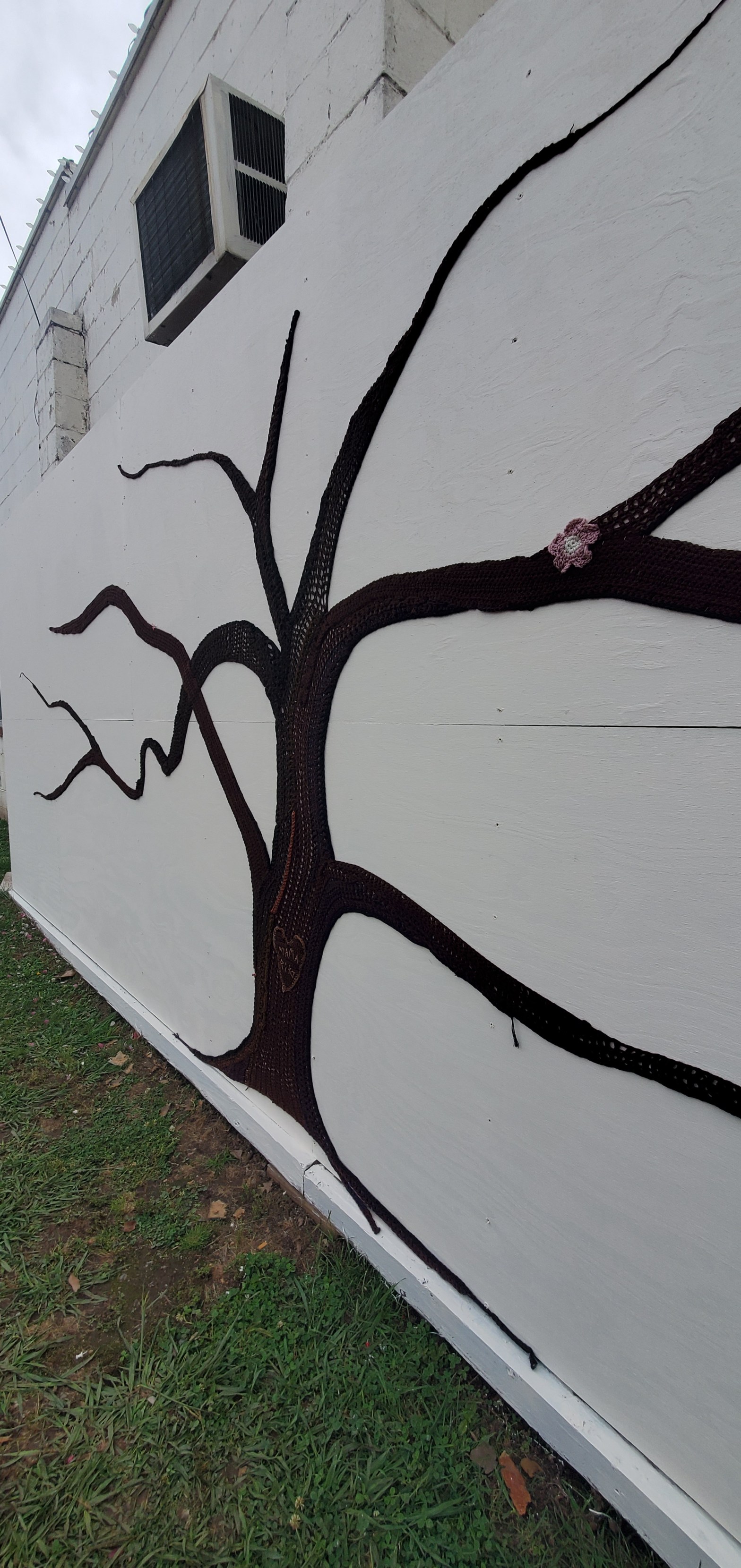
Journey through Union County
Union County was formed in 1842 from parts of Anson County and Mecklenburg County. Its name was a compromise between the Whigs, who wanted to name the new county for Henry Clay, and the Democrats, who wanted to name it for Andrew Jackson. The Helms, Starnes, McRorie, and Belk families were prominent in the town… Read more
-
 Featured
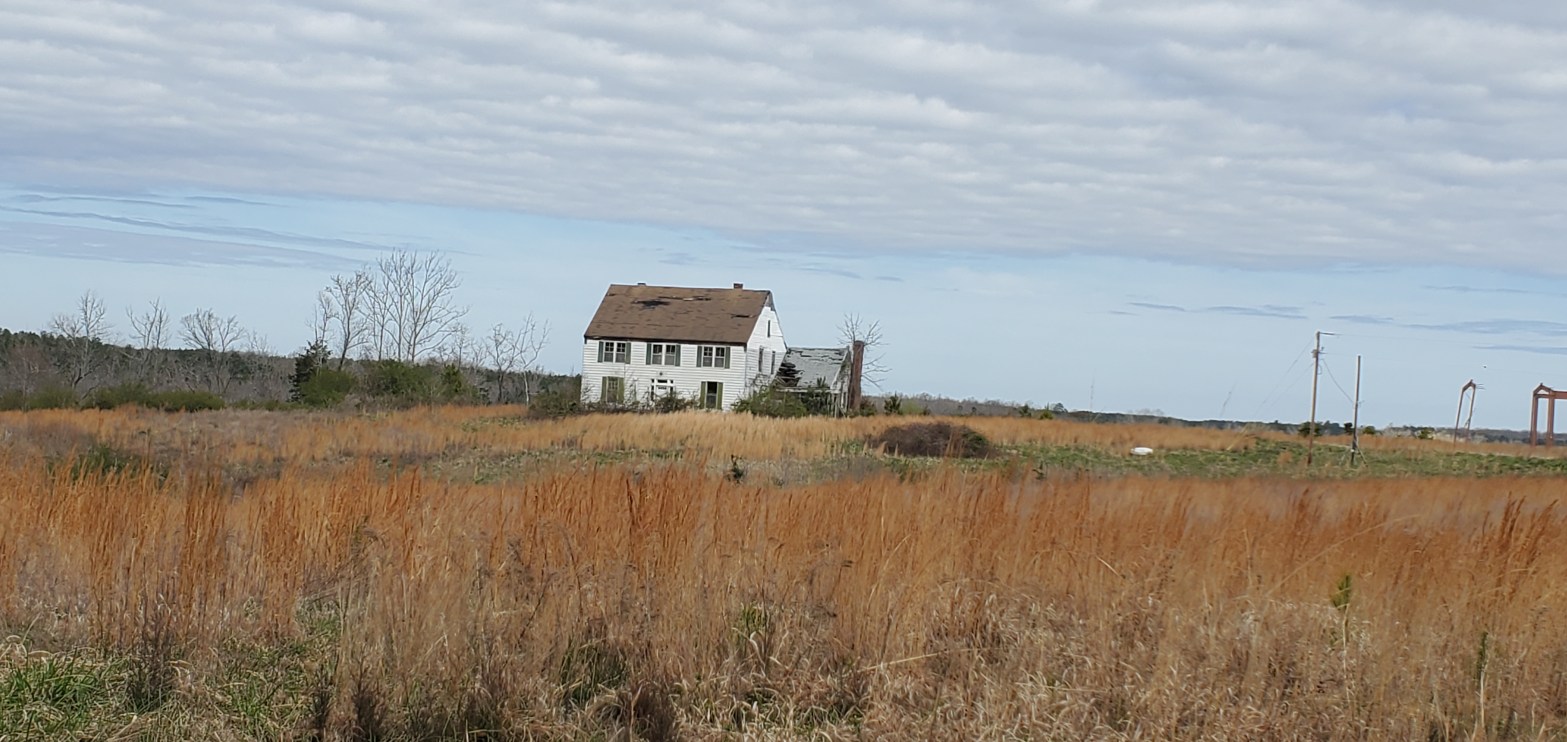
Journey through Vance County
As one of the smaller counties in North Carolina, we were comfortable able to tour through the area in a day. If you have enough time, you may want to pair this county with Granville County or Franklin County. A little history on the area… the Occonachee Native Americans were the first inhabitants of what… Read more
-
 Featured
Journey through Stanly County
Stanly County was formed in 1841 from the part of Montgomery County west of the Pee Dee River. The county was named for John Stanly of New Bern (1774–1834), who served several terms in the North Carolina House of Commons and two terms in the U.S. House of Representatives. The county was originally populated with by small tribes. Artifacts and settlements have since been discovered,… Read more
-
 Featured
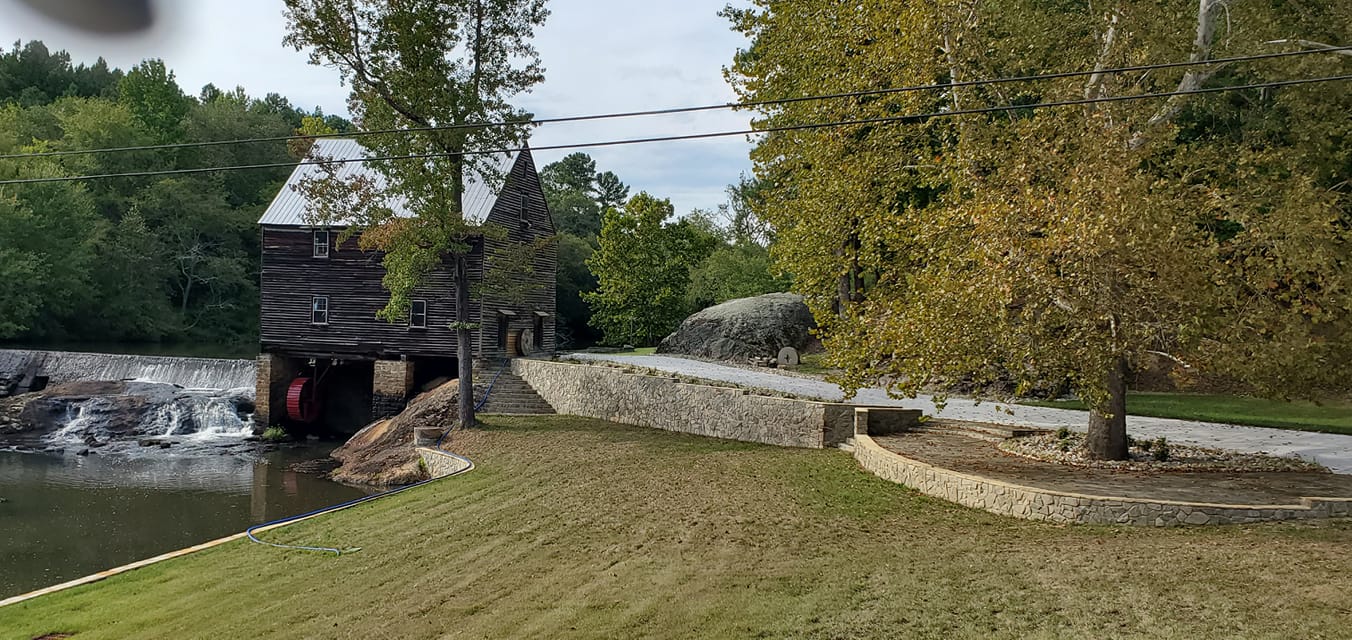
Journey through Franklin County
Full disclosure: I have been behind in posting and finally able to get caught back up. However, I have found that all but a select few photos from this county and the next (Stokes County) that I had posted to my personal Facebook are completely missing from my phone; they apparently disappeared during a phone… Read more
-
 Featured
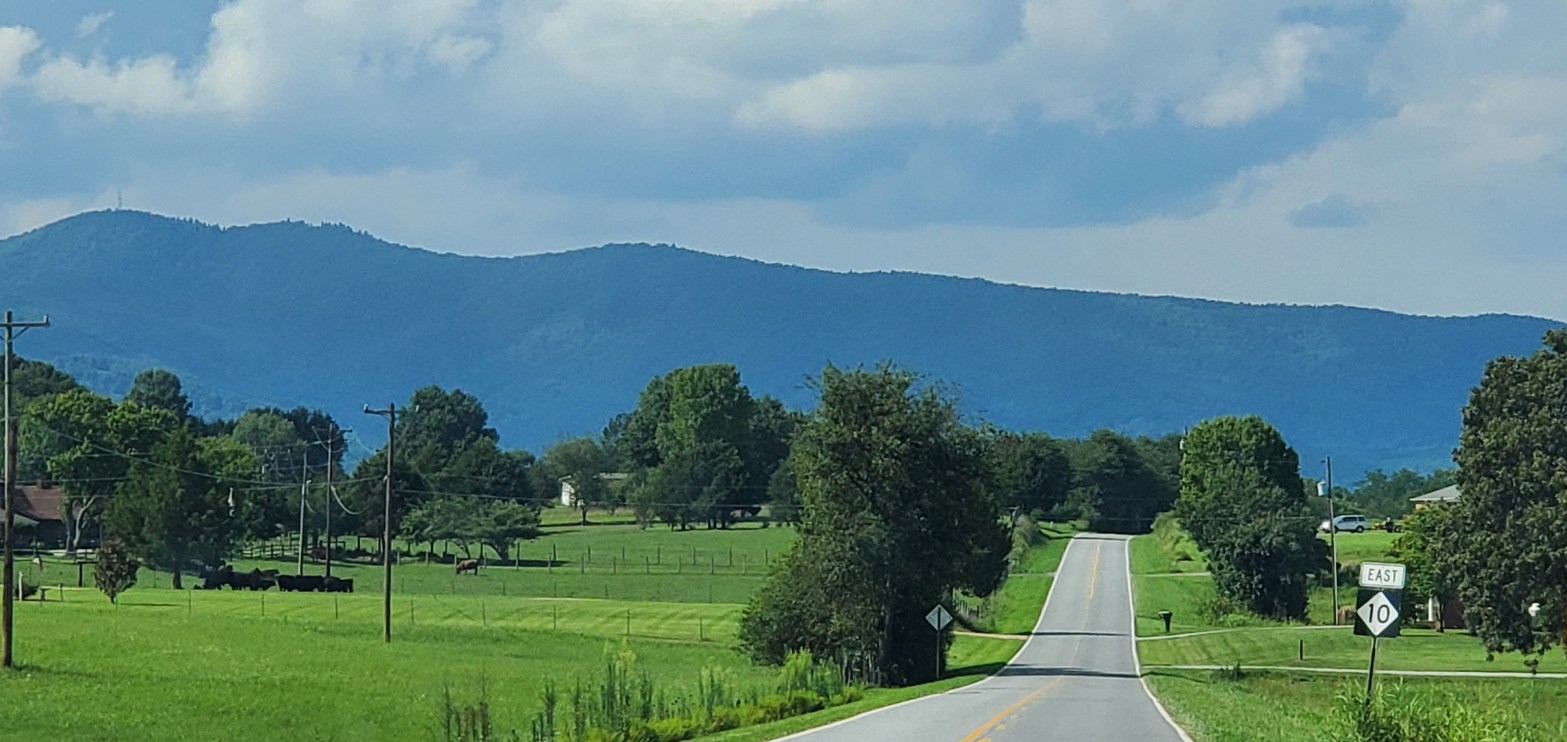
Journey through Cleveland County
Cleveland County Located on the North Carolina-South Carolina border, Cleveland County is two counties west of Charlotte. The county was formed in 1841 from parts of then Lincoln and Rutherford counties. It was named for Benjamin Cleveland, a colonel in the American Revolutionary War, who took part in the Battle of King’s Mountain. From 1841… Read more
-
 Featured
Journey through Alexander County
Called the Gateway to the Brushy Mountains, Alexander county is named in honor of the Alexander family who were leaders in Colonial North Carolina. And Taylorsville is the namesake of either John Louis Taylor, Carolina agriculturist and political philosopher, or General Zachary Taylor, the 12th president of the United States. The County was established in… Read more
-
 Featured
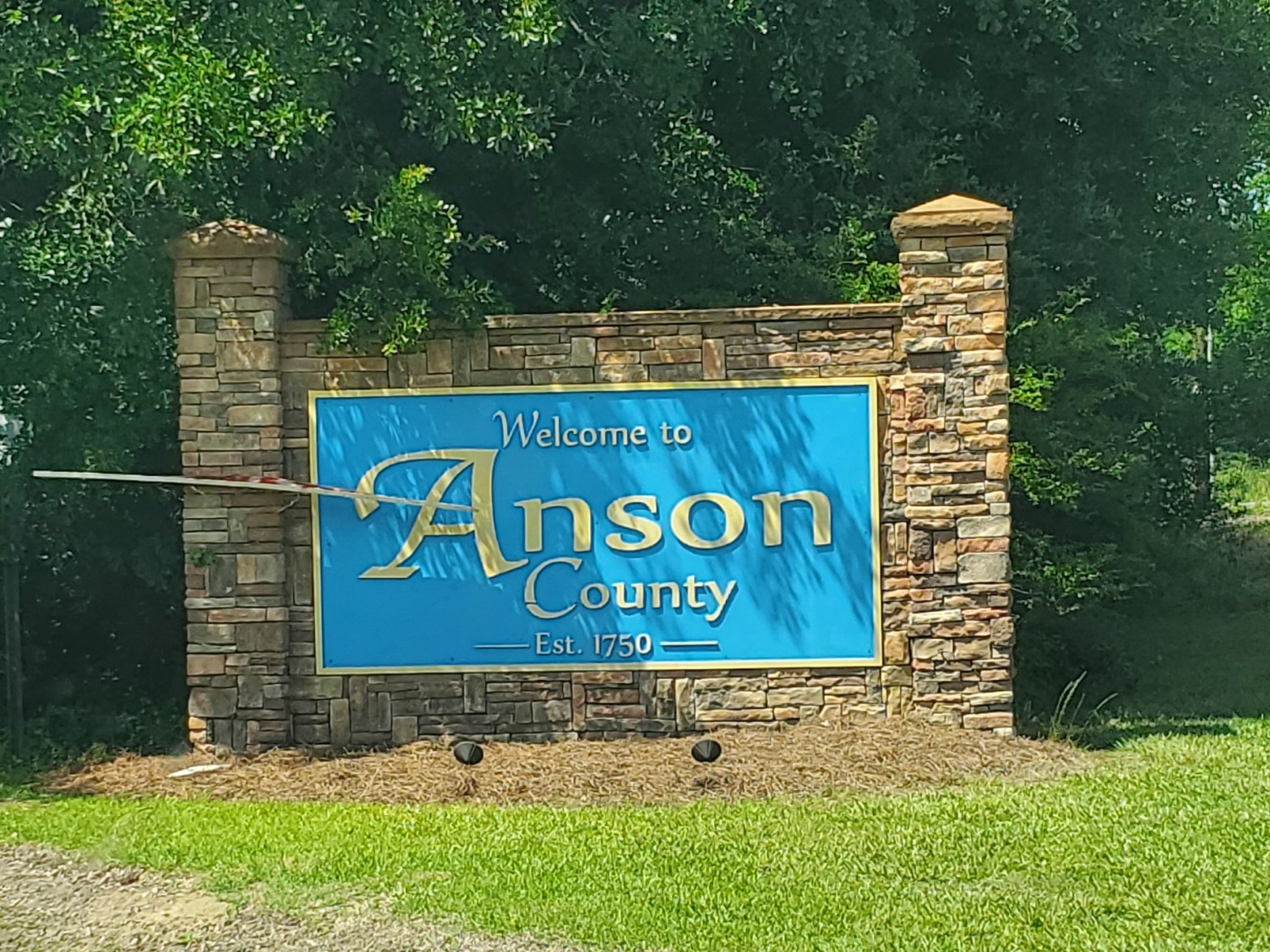
Journey through Anson County
Enjoy a scenic day throughout the rolling hills of Anson County, NC. Named for George Anson, Baron Anson, a British admiral, who circumnavigated the globe from 1740 to 1744 and later became First Lord of the Admiralty, Anson County was formed in 1750 from Bladen County. While neighboring Bladen was occupied by Native American tribes(Waccamaw),… Read more
-
 Featured
Journey through Granville County
Grandville County is Uniquely Open. The land known today as Granville County was once the home of many Indian tribes, dominated mainly by the Tuscarora. After the Tuscarora War of 1711, settlers, mostly from Virginia, began to populate this area, attracted by the abundant game, well-watered wood, and rich land. By 1746, the area had… Read more
-
 Featured
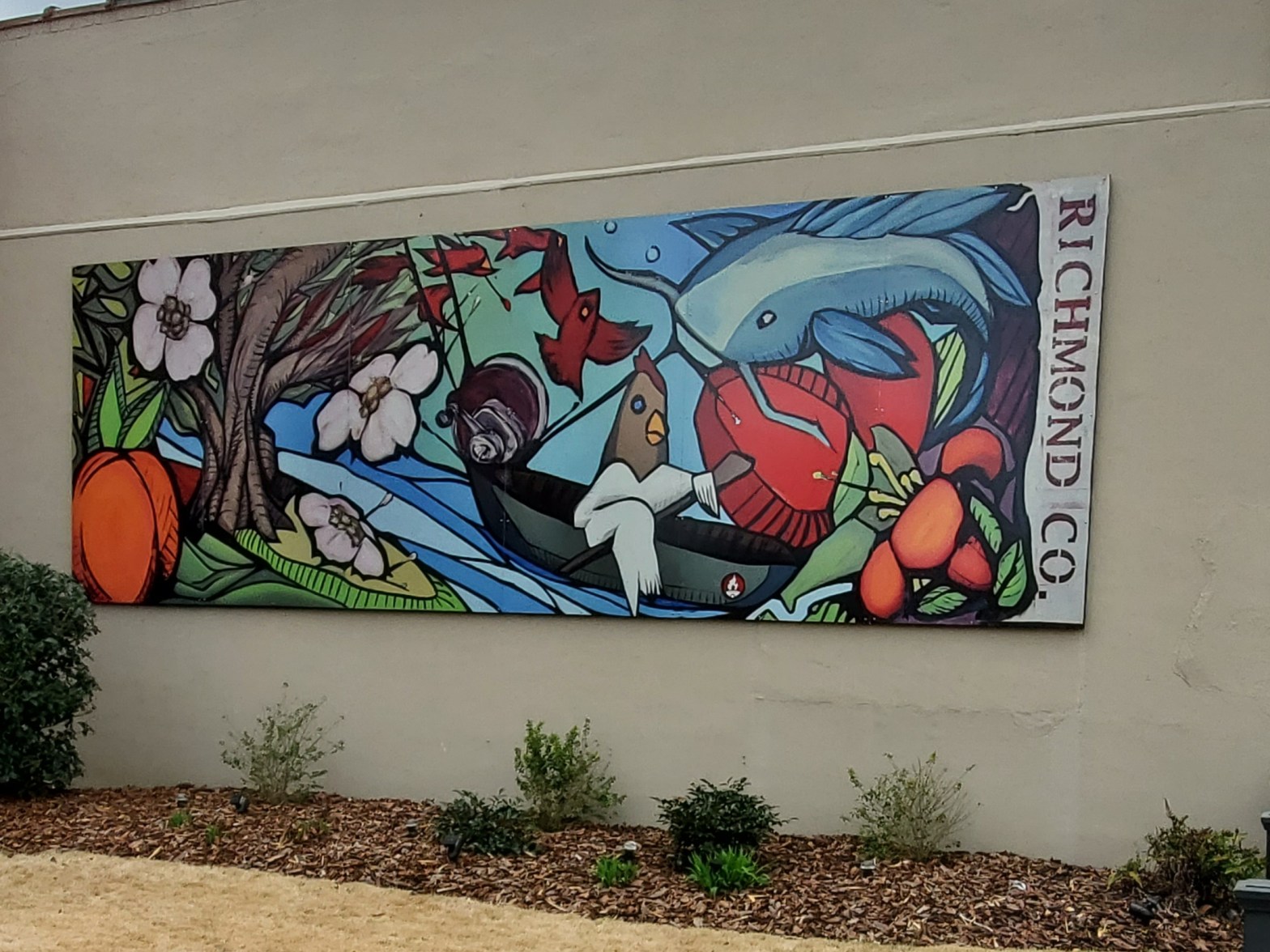
Journey through Richmond County
Step back in time with a visit to Richmond County, formed in 1779 from Anson County. In 1899, the southeastern part of Richmond County was organized as Scotland County. The county was named for Charles Lennox, 3rd Duke of Richmond and Lennox, who was an Englishman and a member of the Parliament of the United… Read more
-
 Featured
Journey through Randolph County
Home to the original school that became Duke University, some of the first European settlers moved into this area of the Piedmont. The county was formed in 1779 from now neighboring Guilford County and part of a then larger Rowan County. Randolph County was named for Peyton Randolph, the first president of the Continental Congress.… Read more
-
 Featured
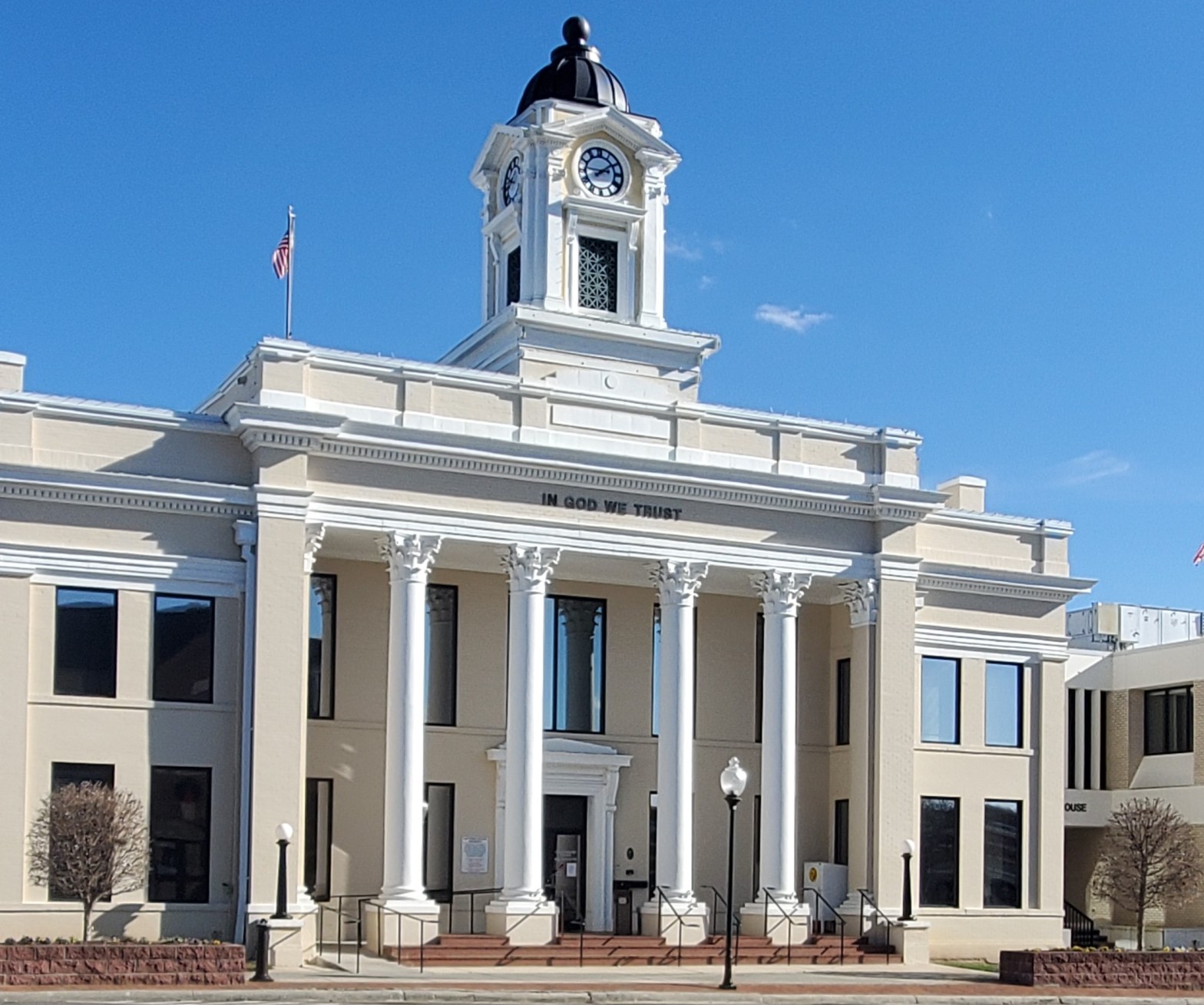
Journey through Davie County
Davie County is one of the smaller counties in North Carolina, so you can easily traverse the county in one day and hit all of the highlights. We chose Davie County this day because it wasn’t too far from our origination point–and the days are shorter this time of year, of course. Davie County was… Read more
-
 Featured
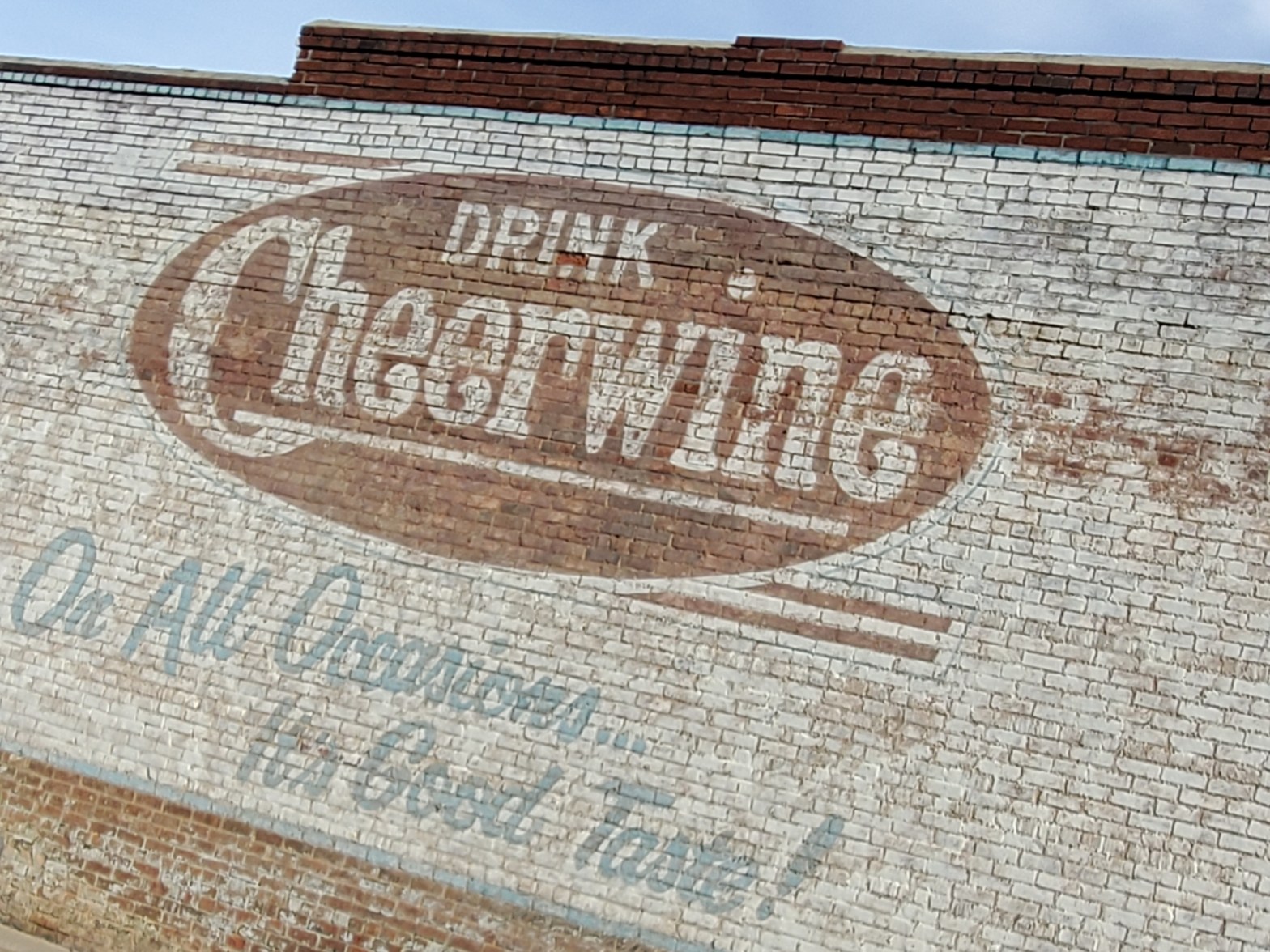
Journey through Rowan County
Considered part of the Charlotte metropolitan area, Rowan County was formed in 1753 as part of the British Province of North Carolina. It was originally a vast territory with unlimited western boundaries, but its size was reduced to 524 square miles after several counties were formed from Rowan County in the 18th and 19th centuries,… Read more
-
 Featured
Journey through Surry County
I purposely planned this trip for when Surry County would (hopefully) be in peak fall color season–and this day didn’t disappoint. A nestled Appalachian Mountains and Blue Ridge Mountains foothills community, Surry County is alive with peaks and valleys and untouched lands. It seems every corner you turn, a majestic mountain or valley view awaits… Read more
-
 Featured
Journey through Scotland County
Scotland County was founded in 1899 from the southeastern part of Richmond County, which was divided to reduced the travel time for residents to the county seat of Rockingham. The county name documents the strong historic and cultural influence from the early settlers from Scotland. Scotland County is often referred to as the “Soul of… Read more
-
 Featured
Journey through Hoke County
Discover rural life in Hoke County, bordering the low country of South Carolina. Hoke county is dotted with small, unincorporated communities like Ashley Heights, Five Points, Silver City, Arabia, and Rockfish. Raeford is the county seat of Hoke County, and the most populated area of the county. Hoke County is among the smallest counties in… Read more
-
 Featured
Journey through Harnett County
You’ll find Harnett County filled with Civil War history. And there’s more for you here–even if you’re not a Civil War buff. Harnett County was formed in 1855 from land given by Cumberland County. It was named for American Revolutionary war soldier Cornelius Harnett, who also served as a delegate to the Continental Congress. The… Read more
-
 Featured
Journey through Catawba County
Wow! Catawba County was chockful of little discoveries! This county is well worth the trip. Catawba County, name after the Catawba River, was formed in 1842 from Lincoln County. The word “catawba” is rooted in the Choctaw sound kat’a pa, loosely translated as “to divide or separate, to break.” However, scholars are fairly certain that this word was imposed… Read more
-
 Featured
Journey through Chapel Hill, NC
You’ll find Chapel Hill to be a little bit urbanist and a little bit village. The town of Carrboro runs right into Chapel Hill, so it may seem difficult to determine where one begins and the other ends. Hailed as one of America’s Foodiest Small Towns by Bon Appétit, Chapel Hill is rapidly becoming a… Read more
-
 Featured
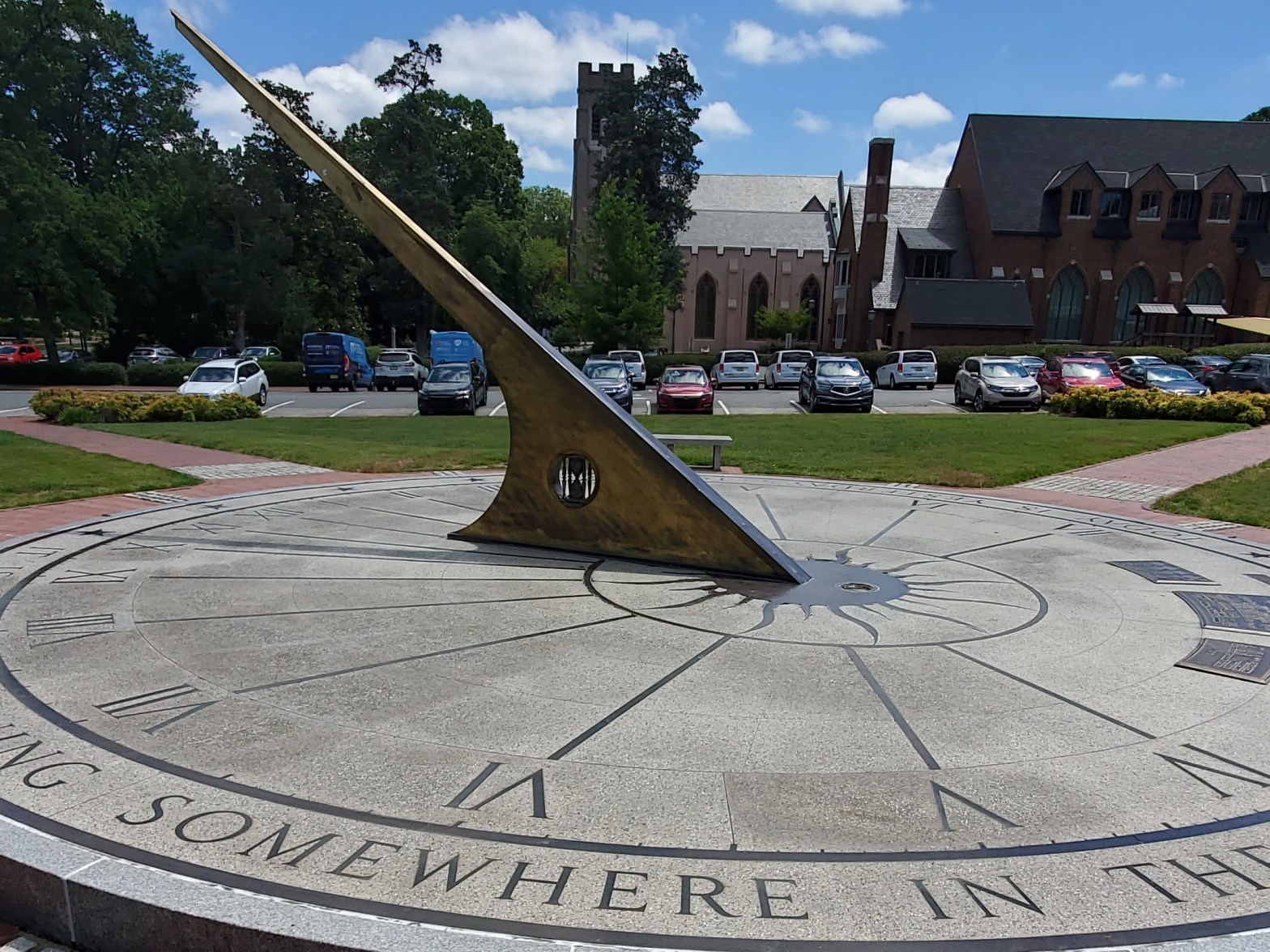
Journey through Orange County
Orange County was formed in 1752 from parts of Bladen, Granville, and Johnston Counties, and was named for the infant William V of Orange, whose mother Anne, daughter of King George II of Great Britain, was then regent of the Dutch Republic. In 1771, the western portion of Orange County was combined with the eastern… Read more
-
 Featured
Journey through Wilmington, NC
Wilmington is one of the most beautiful cities by the sea (situated between a river and an ocean), boasting a large historic district that encompasses nearly 300 blocks along the Cape Fear River, which empties into the Atlantic Ocean. A short drive (30 minutes or less) from several local beaches (Wrightsville Beach, Carolina Beach, Kure Beach,… Read more
Follow the Portable NC Blog
Get new content delivered directly to your inbox.


 Portable NC
I was at the Badin Museum on Sunday afternoon, 2/19, doing some research, when you dropped in for a visit. Thank you for leaving your website address at the museum. The blog is very interesting and informative!
LikeLike
Great, I hope you enjoy!
LikeLike
Thank you for dropping the Kernersville Auto Museum today. I am sorry that I missed you. I truly hope you will add the museum to your sight. I learned a lot about North Carolina from your sight.
Jim Taylor
Founder/Curator
LikeLike
Hi Jim, you’re welcome! It was nice to visit, and we’ll definitely feature you on the blog and social media. If you have an Instagram account, we’ll tag you there as well. (P.S. We’re a few counties behind in posting, so please be patient.)
LikeLike