
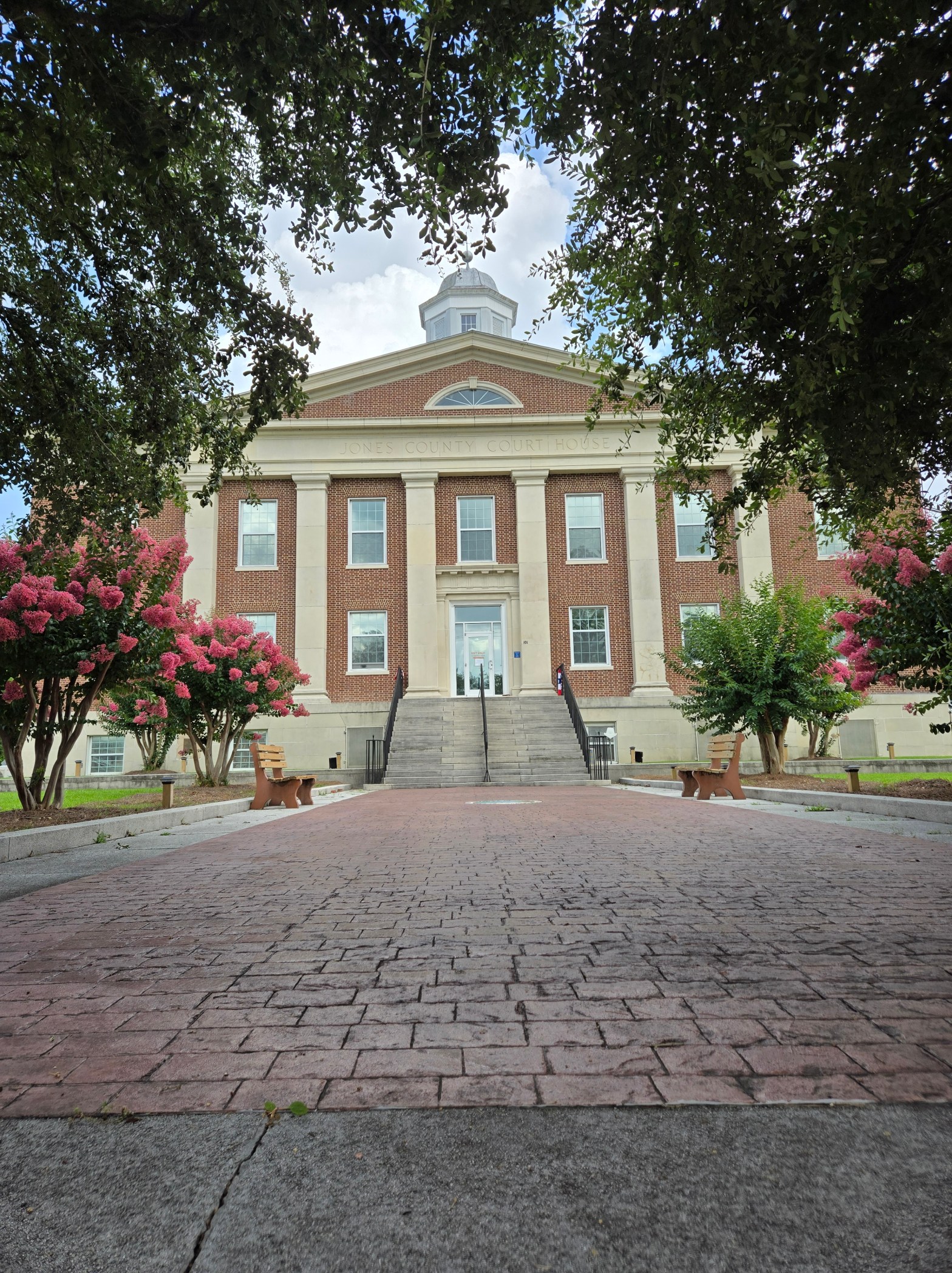
Duplin County was formed in 1750 from New Hanover County. It was named for Thomas Hay, Viscount Dupplin (later 9th Earl of Kinnoull), as he was known when he served on the Board of Trade and Plantations in England in the 1740s. In 1784, the western part of Duplin County became Sampson County. The county’s …
Tag Archives: murals
Journey through Guilford County
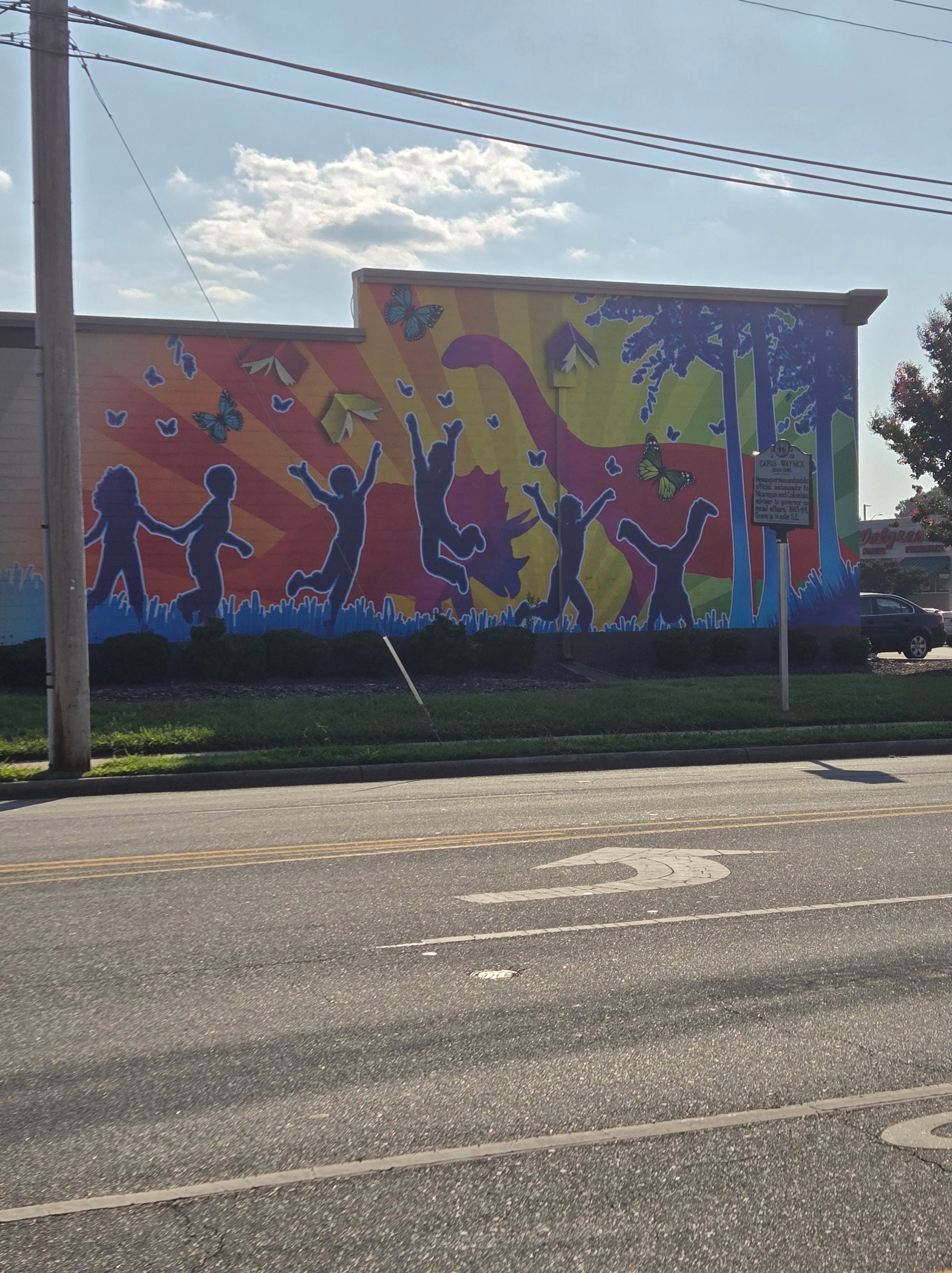
Guilford County is the third-most populous county (and city) in North Carolina behind Mecklenburg County (Charlotte) and Wake County (Raleigh). The original inhabitants of the area were a Siouan-speaking people called the Cheraw. Beginning in the 1740s, settlers arrived in the region in search of fertile and affordable land. These first settlers included American Quakers …
Journey through Raleigh

Raleigh is the second-largest city in North Carolina by population, fifth-largest by size, the 10th-most populous city in the Southeast, the 41st-most populous city in the U.S., and the largest city of the Research Triangle metro area. Raleigh is known as the “City of Oaks” for its many oak trees, which line the streets in …
Journey through Wake County

Wake County was formed in 1770 from parts of Cumberland, Johnston, and Orange Counties. And prior to English colonization, present-day Wake County was part of the Tuscarora nation. However, Wake County did lose some of its territory through the formation of other counties, including Franklin County in 1787 and in Durham County in both 1881 …
Journey through Forsyth County

Forsyth County was formed in 1849 from Stokes County and was named for Colonel Benjamin Forsyth, who was killed in the War of 1812. The town of Horneytown in Forsyth County was named for the Horney family of early settlers, and it has frequently been noted on lists of unusual place names. Clemmons Originally named …
Journey through Edgecombe County

Edgecombe County was formed by Anglo Europeans in 1741 from Bertie County. It was named for Richard Edgcumbe, a Member of English Parliament from 1701 to 1742 and a lord of the treasury. He became 1st Baron Richard Edgecombe in 1742. In 1746, part of Edgecombe County became Granville County; in 1758, another portion became …
Journey through Davidson County

The original Davidson County was formed in 1786 as the far western portion of North Carolina, with its county seat at Nashville and a territory covering most of what is now Middle Tennessee. However, when Tennessee was established as a separate state in 1796, this county became Davidson County, Tennessee. The current North Carolina county …
Journey through Pitt County

If I could associate a color with Pitt County, it would most certainly be purple, as Greenville in Pitt County is home of the Eastern Carolina University (ECU) pirates. In addition to having a college town metropolis, you’ll also find a plethora of farmland, including tobacco, corn, dense pine forests, tobacco farms, and fertilizer mining …
Journey through Wilkes County
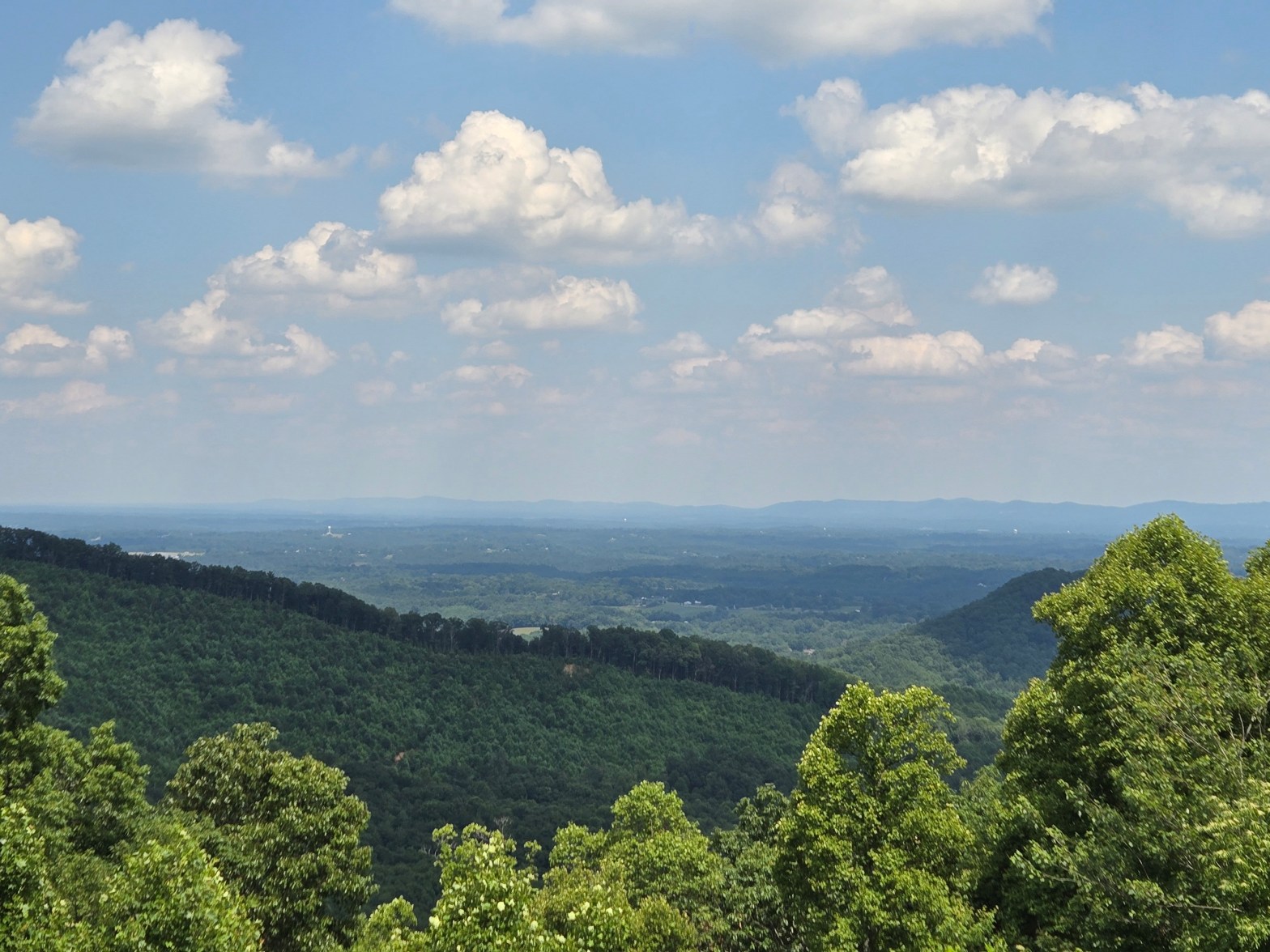
Wilkes is also one of the 27 North Carolina counties which the Blue Ridge Parkway runs through. Here you’ll discover lots of farms and orchards along your drive as well as surprising mountain vistas and bountiful scenic overlooks. The county was formed from parts of Surry County and was named for the English political radical …
Journey through Northampton County

Surrounded by the Roanoke and Meherrin Rivers, the Northampton County area was first organized under English colonial authority as the Albemarle Precinct. In 1729 part of Albemarle was split off to form Bertie County; then Northampton County was formed from part of Bertie in 1741. The county was named for James Compton, the fifth Earl …
 Portable NC