

If I could associate a color with Pitt County, it would most certainly be purple, as Greenville in Pitt County is home of the Eastern Carolina University (ECU) pirates. In addition to having a college town metropolis, you’ll also find a plethora of farmland, including tobacco, corn, dense pine forests, tobacco farms, and fertilizer mining in this silty, sandy-soiled inner banks county.
Named for William Pitt the Elder, who was then Secretary of State for the Southern Department and Leader of the House of Commons, Pitt county was formed in 1760 from Beaufort County (though the legislative act that created it did not become effective until January 1, 1761). William Pitt, Earl of Chatham, was an English statesman and orator, born in London, England, UK. He studied at Oxford University and in 1731, Pitt joined the army. Pitt led the young “Patriot” Whigs and in 1756 became secretary of state, where he was a pro-freedom speaker in British Colonial government.
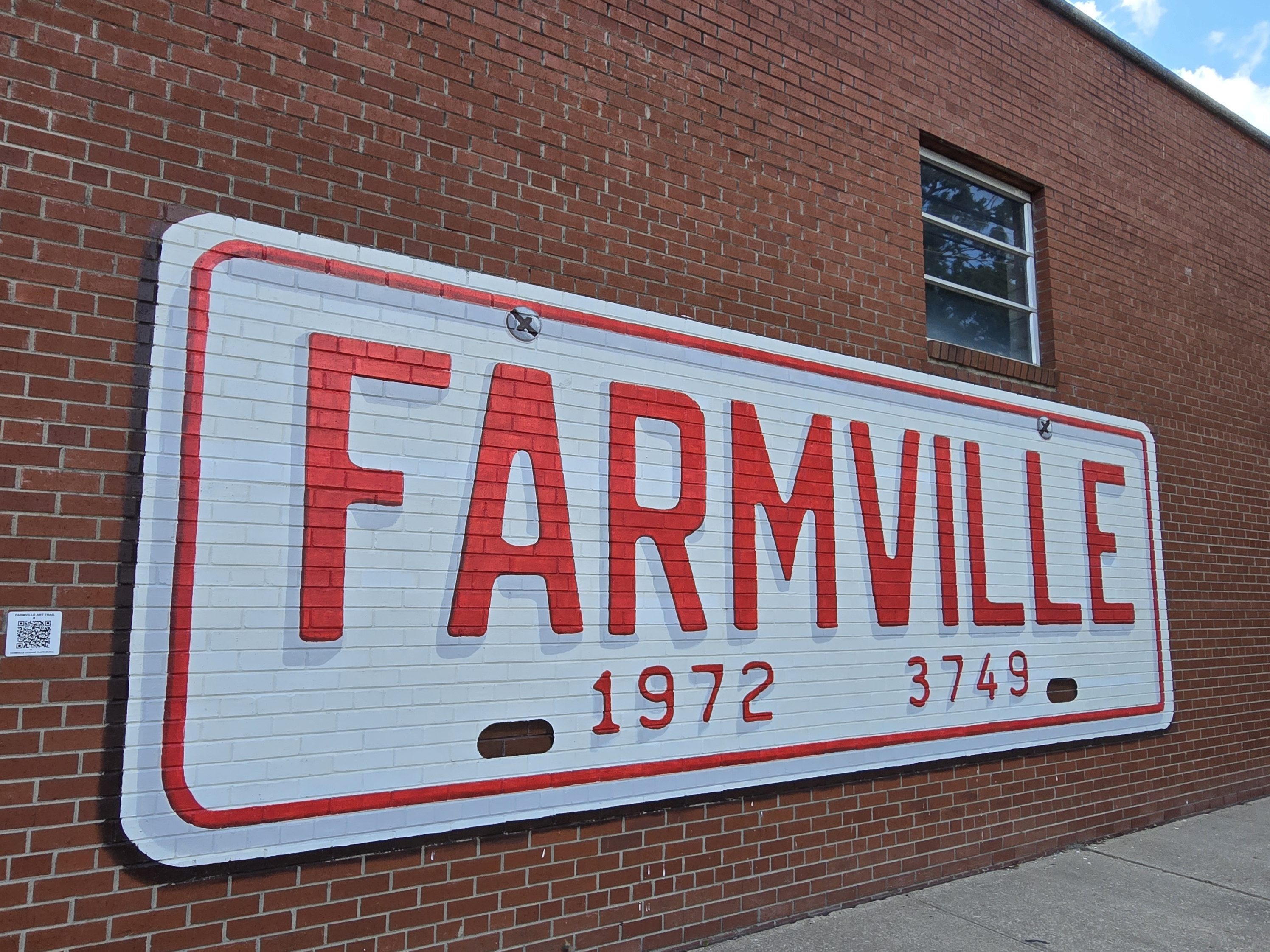
Farmville
Established in February 1872, the town was named Farmville because all of its undertakings and activities were farm related. Farmville has been a Tree City USA community through the Arbor Day Foundation for 36 years, proving its commitment to managing and expanding its public trees. The Town government, in cooperation with other non-profit groups that work for the advancement of the town, sponsor annual events such as the Farmville Dogwood Festival, the Christmas Parade, Independence Day Celebration, A Taste of Farmville, and the Holiday Open House, among others.
You’ll find the East Carolina Art Space (3747 Main St.) and North Carolina Furniture School (3749 W. Wilson St.) here in Farmville. Singer Roberta Flack taught music in Farmville.

Paramount Theater
The famous Paramount Theatre (3723 Main St.) is at the center of Farmville’s cultural life. The Theater Building has always served the entertainment needs of Farmville since it was built as a traditional Movie theater in the 1920s. The theater regularly hosts dramatic plays, comedies, musicals, the occasional seasonal movies, visual art shows, and concerts from symphonies to rock bands and everything in between. When in town, check their calendar of events to see what’s on tap at the Paramount!

Farmville Art Trail
The Farmville Art Trail is a free, self-guided tour within downtown Farmville highlighting the town’s many public art installations and arts organizations. The Art Trail meanders through downtown Farmville stretching from the Community Center to the Oliver Murphey Park. It showcases larger-than-life murals, ghost signs, sculptures, galleries, and studios, with opportunities to shop and eat along the way. Each stop along the Art Trail is accompanied by a QR code which connects to audio recordings by the artists and local experts. The QR codes are strategically placed on utility poles or marker stands each point of interest. Maps are available at the Farmville Public Library.
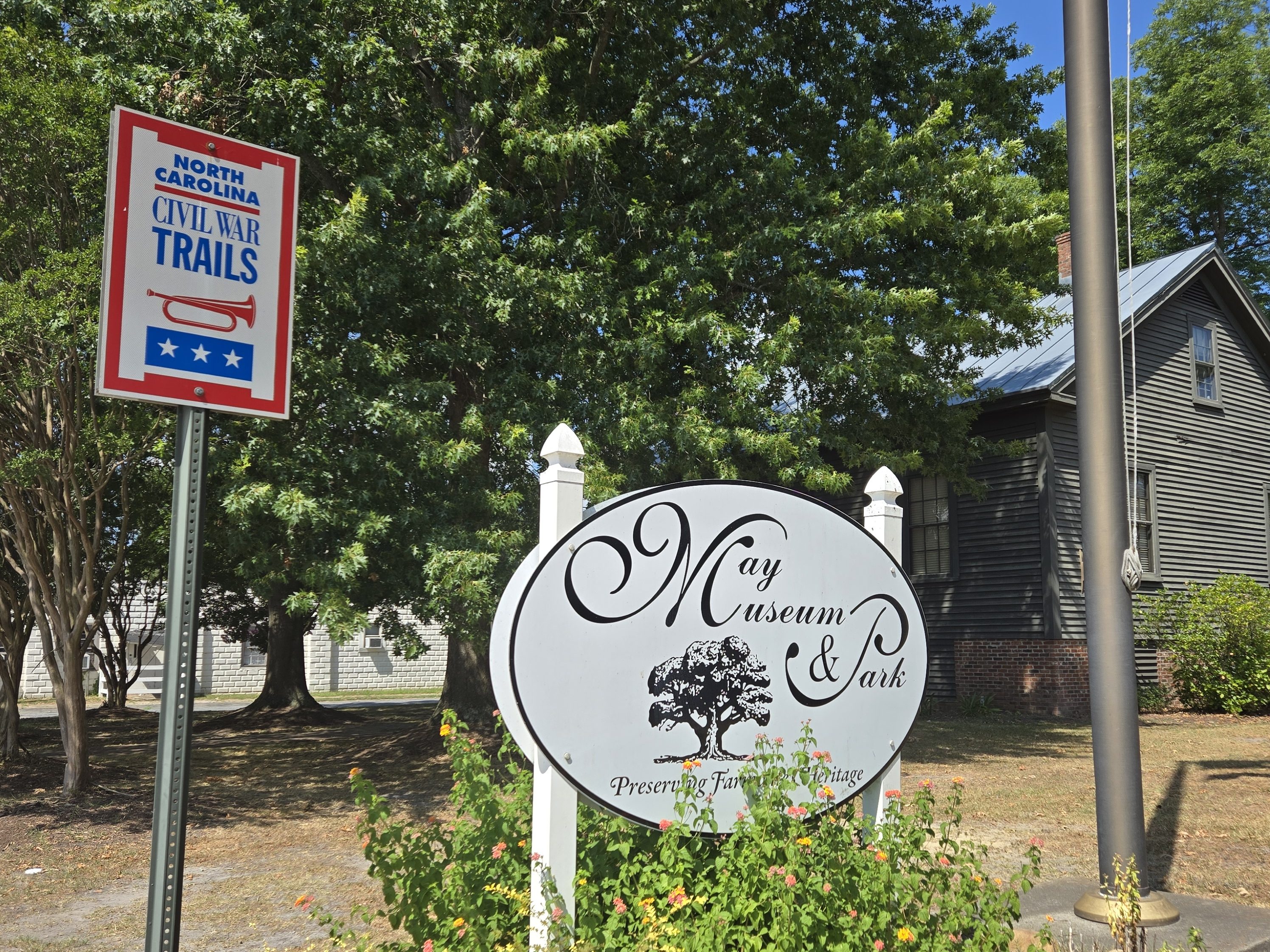
May Museum
The May Museum (3802 S. Main St.) occupies an 1850s-era home and is listed on the National Register of Historic Places. Its extensive archival holdings consist of approximately 10,000 photographs, 20,000 records, and 10,000 artifacts, including May family correspondence, maps, commercial and legal records, postcards, scrapbooks, and more. Examples of period furniture, glassware, agricultural implements, militaria, and a variety of domestic life items comprise a great portion of the museum’s artifacts.

Bethel
Confusingly, there are three other towns in the state named “Bethel.” One is between Edenton and Hertford in the “Finger Counties” region in the northeastern corner of the state, another is in the north-central part, in Caswell County and the third is located in the Mountain Region of North Carolina, in Haywood County. There is also a community named Bethel located in Watauga County.
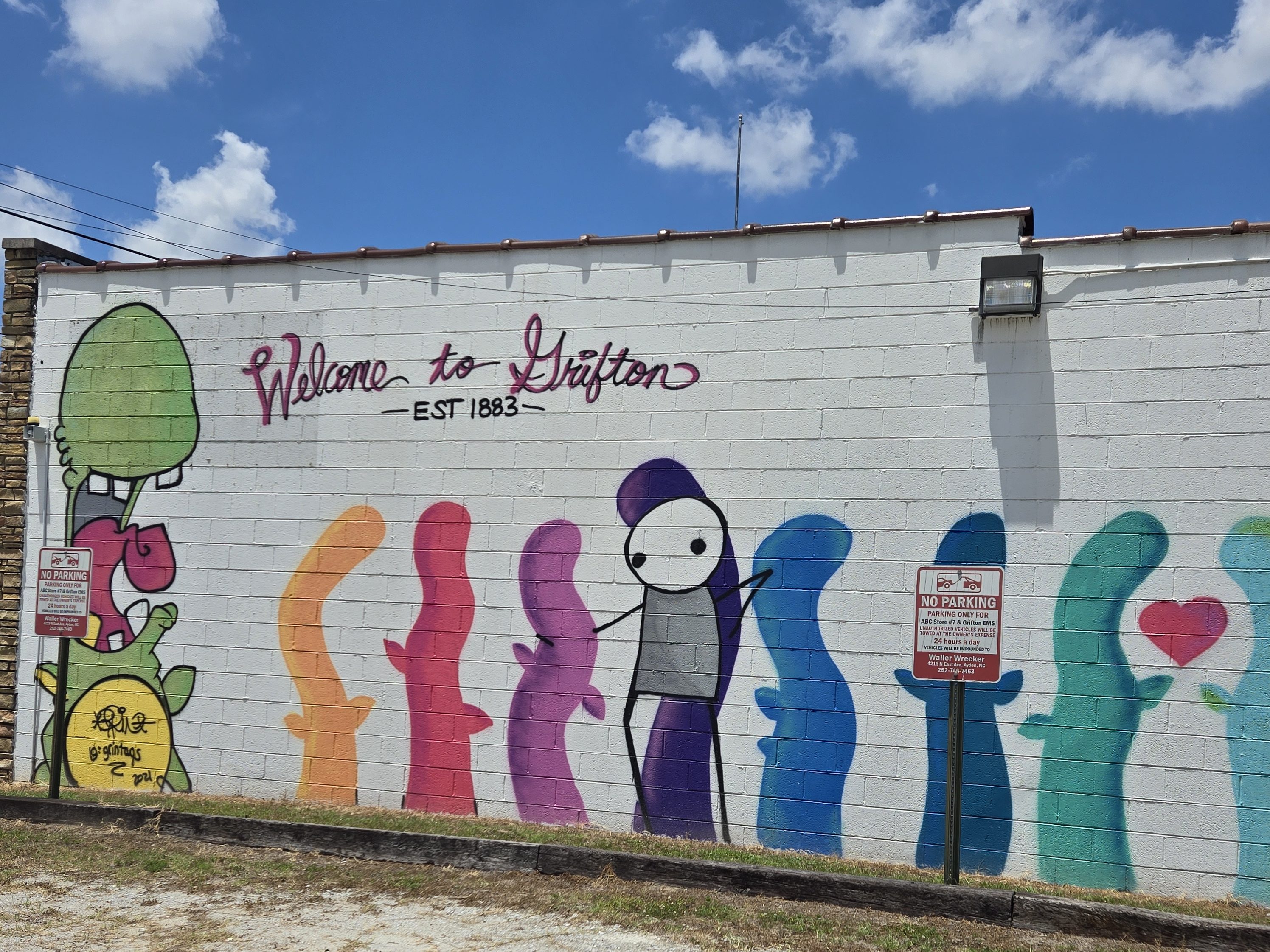
Grifton
Settlement in the Grifton area dates back to 1756, when the locale was known as Peter’s Ferry. By 1764, it was known as Blount’s Ford. In the 1800s according to local knowledge, the Contentnea Creek bridge was set ablaze during the Civil War, prompting Mr. Coward to construct a replacement bridge in 1867. However, this bridge had a short lifespan, leading Franklin Bell, a nearby blacksmith and chairmaker, to operate a ferry across the creek. As a result, the location earned the name Bell’s Ferry, which persisted even after the county erected a fresh bridge over the creek in 1869. It was incorporated under that name in 1883. The name was formally changed to Grifton six years later to honor local merchant C. M. A. Griffin. Soon thereafter, it became styled as Grifton. The town of Grifton holds an annual Shad Festival as well as John Lawson Legacy Days.

Atlantic Coast Line Depot
Grfiton’s Atlantic Coast Line Depot still stands at 485 Queen Street. In the late 19th and early 20th centuries, the railroad played a major role in the life of Grifton. Primarily agricultural supplies and pulpwood travelled through the town on the rail line operated by Atlantic Coast Line, a US Class I railroad from 1900 until 1967. Currently CSX owns and operates the rail line.
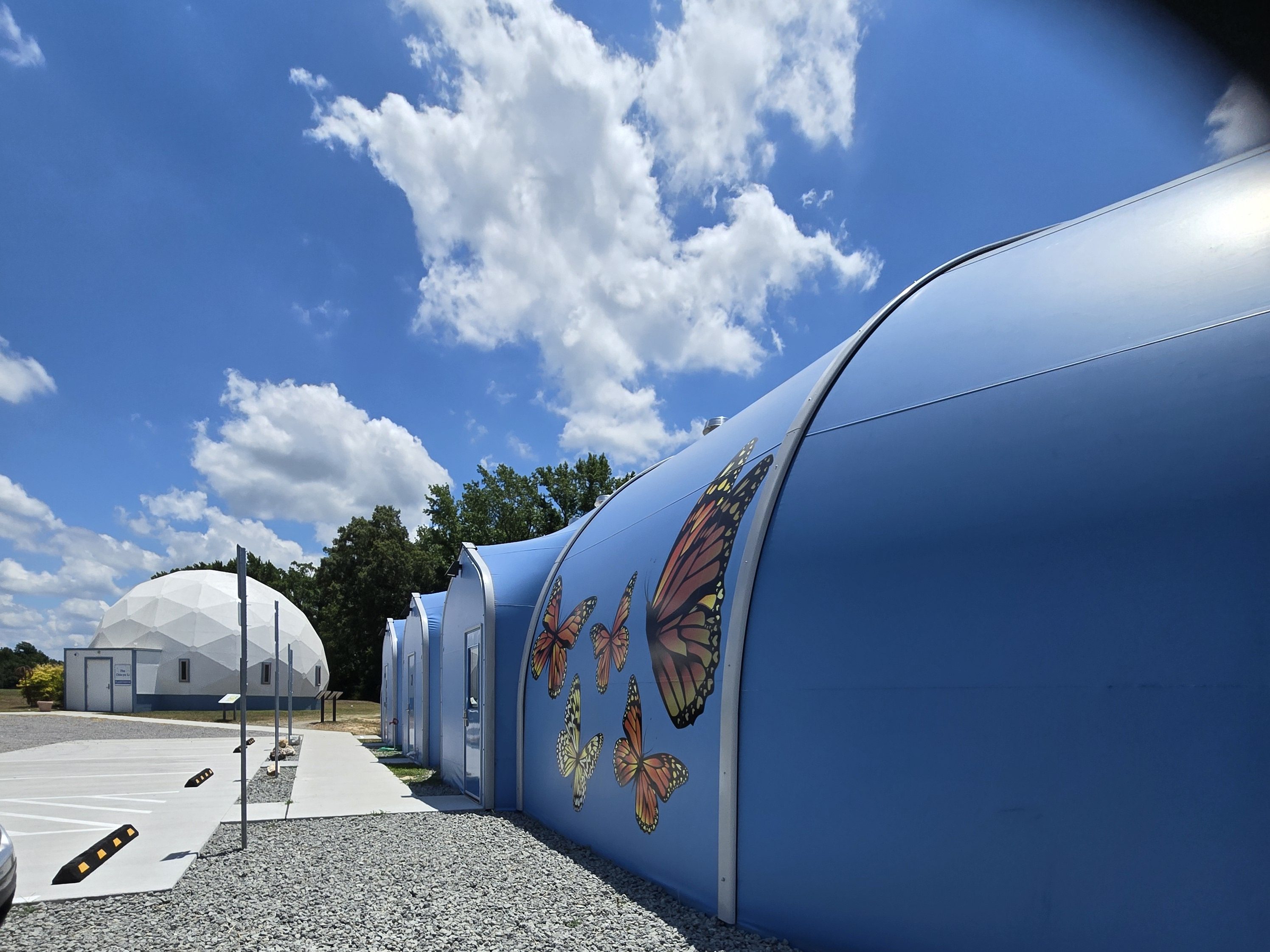
North Carolina Museum of Natural Sciences – Contentnea
The North Carolina Museum of Natural Sciences Contentnea Creek location (949 Contentnea Lane) features the Chia-Yu Li Planetarium, a 35-foot geodesic dome powered by a Digitarium Zeta Digital Planetarium System, as well as wildlife exhibits and some live animals and reptiles as well.
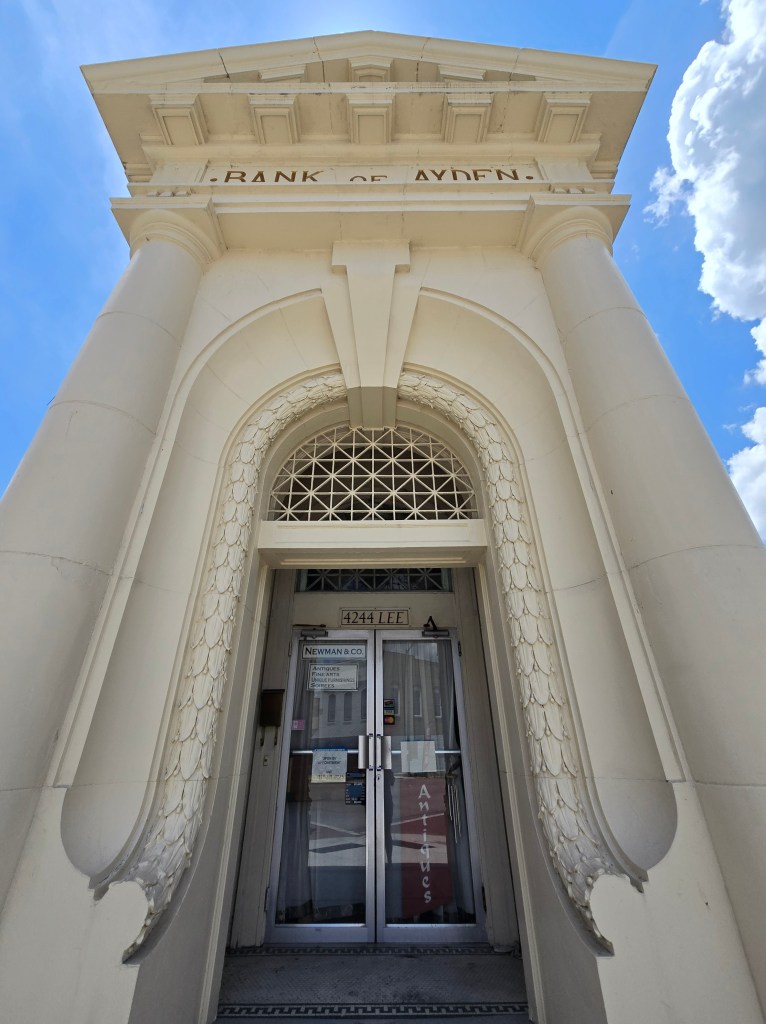
Ayden
In 1891, William Henry Harris asked the Atlantic Coast Line Railroad to build a railroad depot on a portion of his farm in order to create a village. A 40-acre parcel of land was divided into residential lots surrounding the depot in “Harristown,” with Harris owning every other lot. Within the next several years, lots were sold and homes built. Businesses began to open up to support the new residents, and on February 3, 1891, the town was incorporated as “Ayden.” By 1919, Ayden had full-time electricity supplied by the Ayden municipal light plant. After the Great Depression and the Second World War, the town began to grow. To accommodate the growth, commercial, cultural, religious, and other establishments were opened within and around Ayden. The community is still growing today, due to the continued development of Greenville as an industrial and economic center for eastern North Carolina.

Winterville
YouTuber and philanthropist Mr. Beast (Jimmy Donaldson) is from this area.

Greenville
Greenville is known as “The Emerald City” and “the gem of the east.” The city is also Eastern Carolina University (ECU)/pirate territory, hence it is decked out in purple. Even several national and regional businesses, such as Truist Bank, have changed their logo and signage to purple in this city.
Greenville formed in 1771 as “Martinsborough,” named after the Royal Governor Josiah Martin. In 1774, the town was moved to its present location on the south bank of the Tar River, three miles west of its original site. In 1786, the name was changed to Greenesville in honor of General Nathanael Greene, the American Revolutionary War hero. It was later shortened to Greenville.
*Note that Greensboro, North Carolina, is also named for General Nathanael Greene.
During Greenville’s early years, the Tar River was a navigable waterway, and by the 1860s there were several established steamboat lines transporting passengers and goods on the river. Cotton was the leading agricultural crop, and Greenville became a major cotton export center. Before the turn of the century, tobacco surpassed cotton and became the leading money crop. Greenville became one of the state’s leading tobacco marketing and warehouse centers.
For more than a century, Greenville was recognized only as an important tobacco market and the home of a small, state-supported college, chartered by the Legislature in March 1907. By the mid 1960s, East Carolina College had become the third-largest state-supported college, and enrollment approached 8,000 students — twice the 1960 enrollment figure. In 1967, it became East Carolina University. ECU Medical School admitted its first four-year class in 1977. At the turn of the century, enrollment at ECU topped the 18,000 mark, and now exceeds 29,000 students.
In September 1999, Hurricane Floyd made landfall in eastern North Carolina, dropping nearly 17 inches of rain. Many residents were not aware of the flooding until the water came into their homes. Most localized flooding happened overnight, and the Tar River suffered the worst flooding, exceeding 500-year flood levels along its lower stretches. An additional 20+ inches of rain had fallen in the previous month due to two passes of Hurricane Dennis. Damages in Pitt County, alone were estimated at $1.6 billion. Some residents in Greenville had to swim six feet underwater to reach the front doors of their homes and apartments.
Actor and producer Sandra Bullock was an ECU graduate, and Wilber Hardee, the founder of Hardee’s, is from the area.
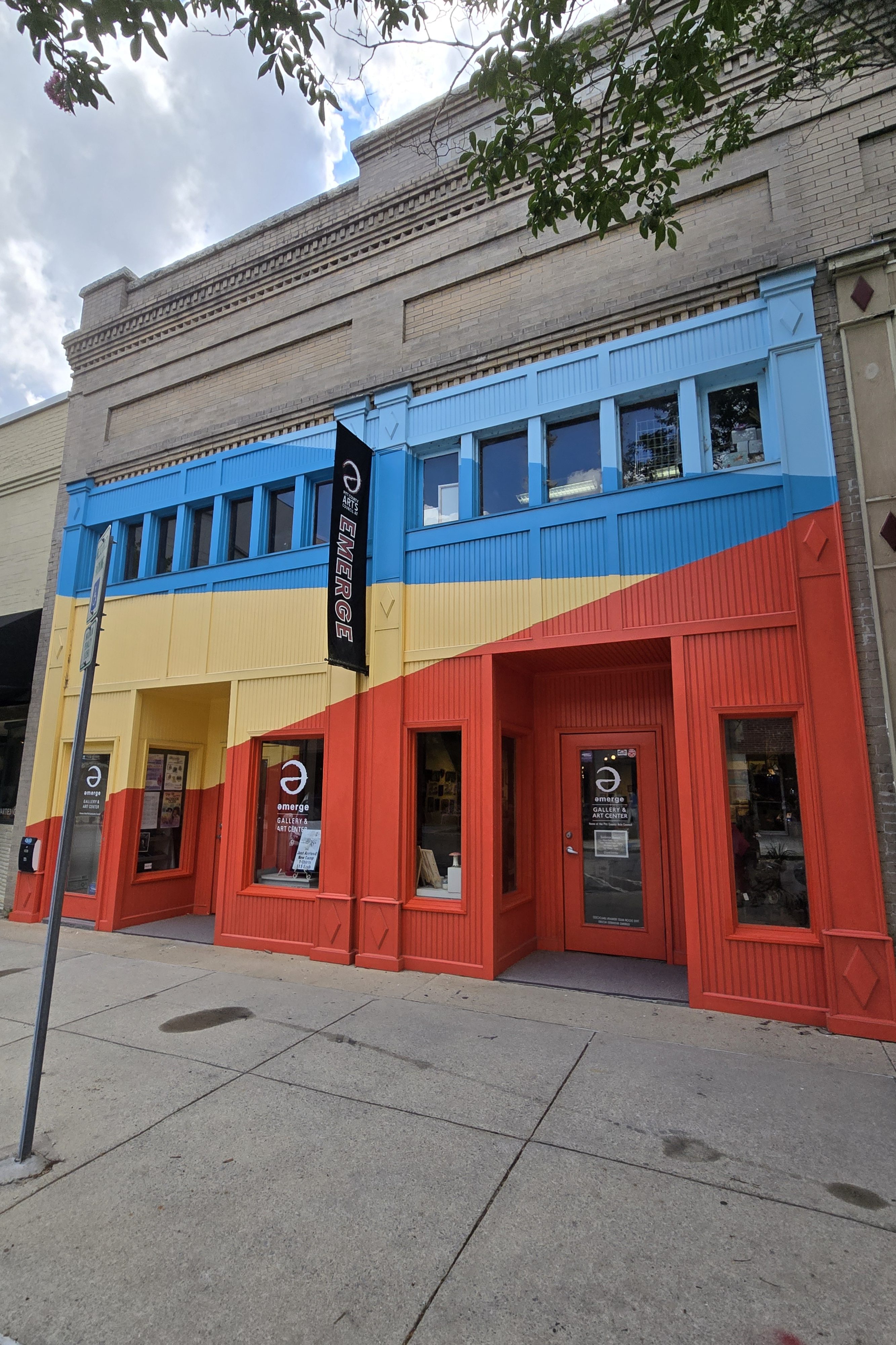
Emerge Gallery and Art Center
Stop by the Emerge Gallery and Art Center (404 South Evans St.) for a peek at a variety of eclectic art from different area artists.

Greenville Museum of Art
For more than 80 years, the Greenville Museum of Art (GMoA) at 802 South Evans St., has served the community as an advocate center for artists far and wide, while also providing the community access to the arts. The museum holds six galleries of rotating art displays.
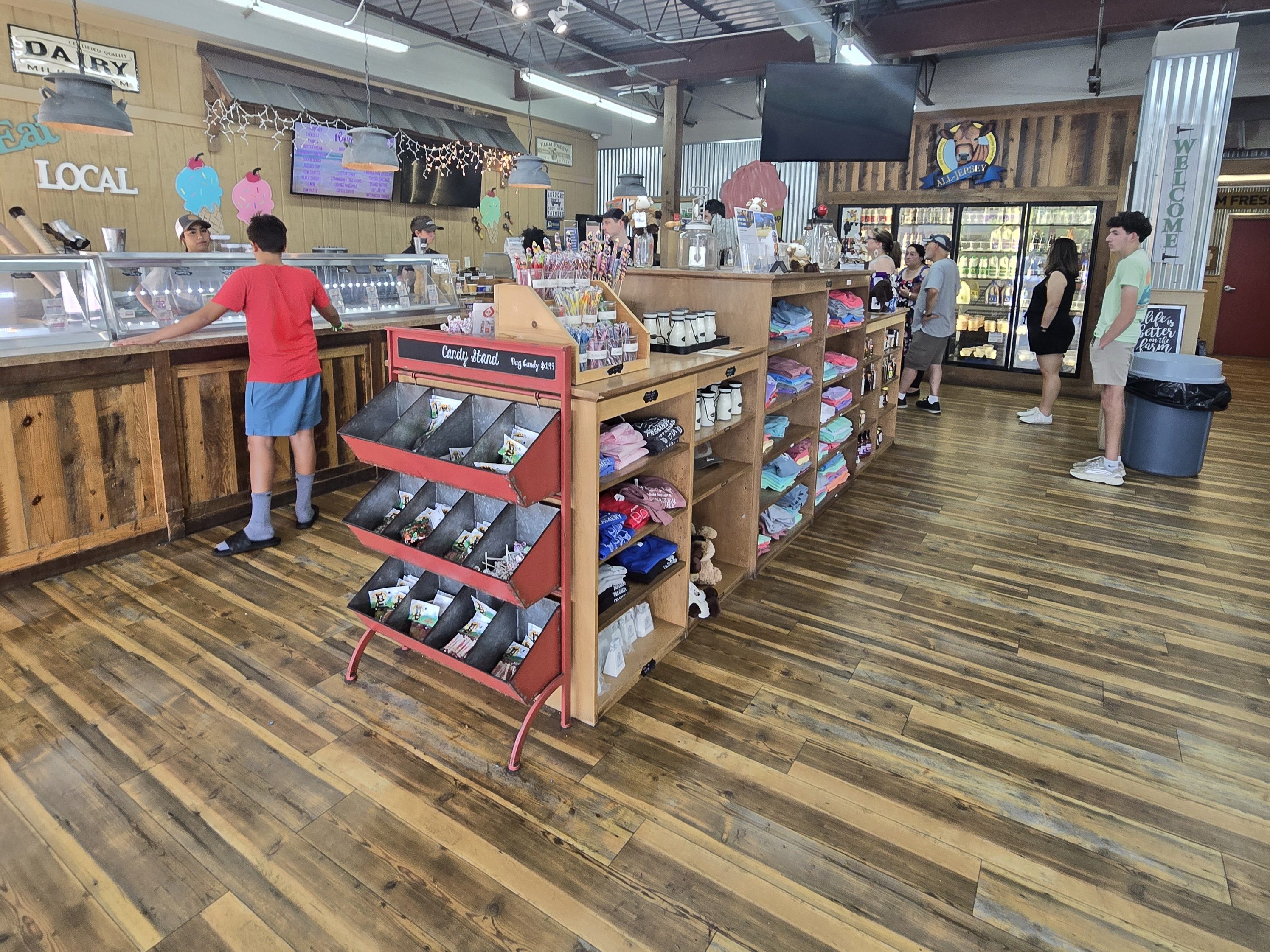
Simply Natural Creamery
While in Greenville, we recommend stopping by Simply Natural Creamery (317 E. Arlington Blvd.), which serves up Jersey Cow ice cream, milk, and other products — said to be the ‘Cadillac of Milk’ — because the milk does not contain the protein that causes lactose intolerance. So, enjoy to your heart’s content and bring a cooler to take some milk home with you.
Next stop… Davidson County!
 Portable NC