
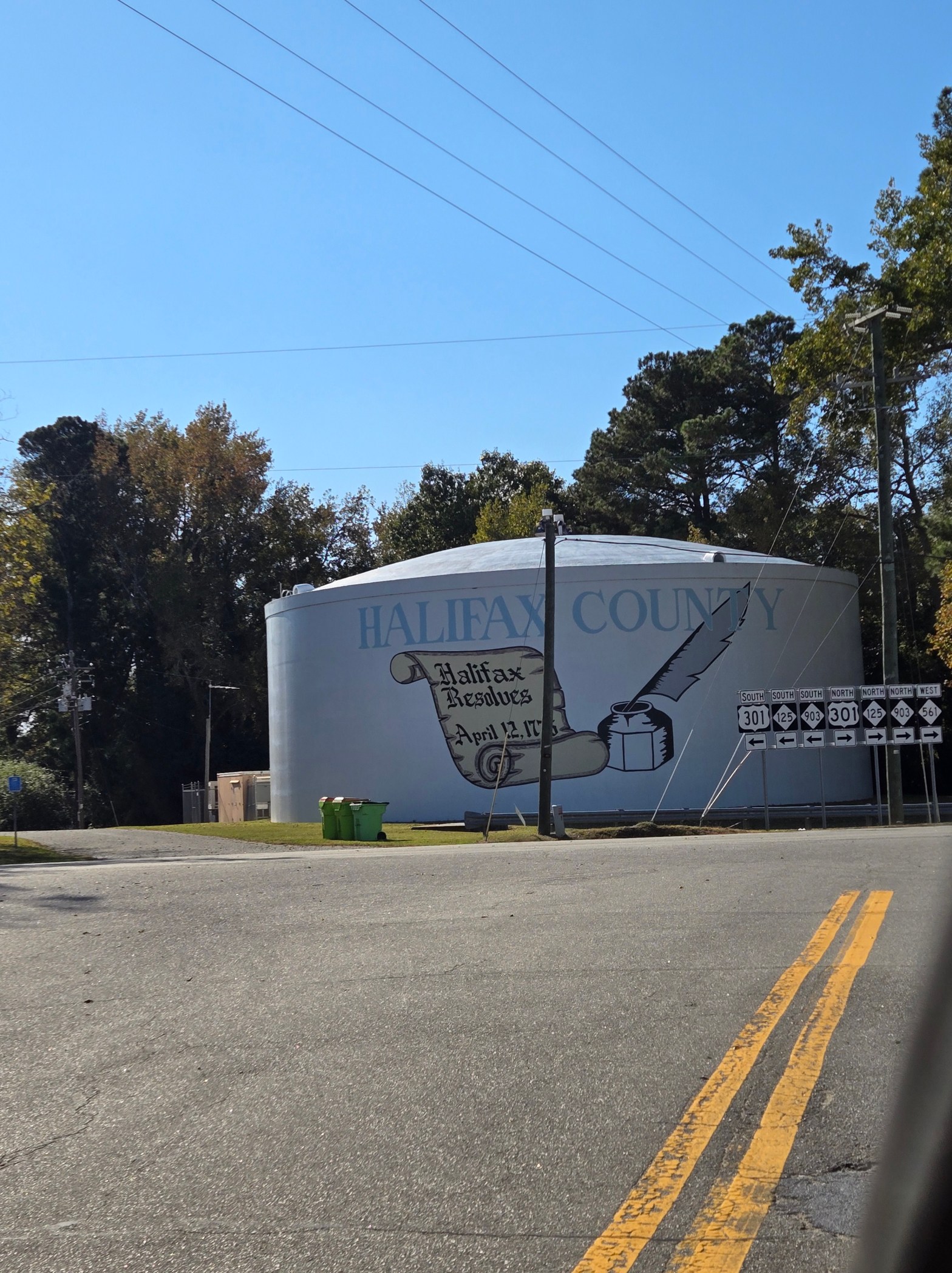
Halifax County is located in North Carolina’s Piedmont, Coastal Plain, and Atlantic Coast Flatwoods regions. Much of the region’s geography and history were shaped by the Roanoke River, which forms the northern boundary of Halifax County. According to Preservation North Carolina, “Halifax County is one of the oldest counties in North Carolina with a rich …
Tag Archives: museum
Journey through Duplin County
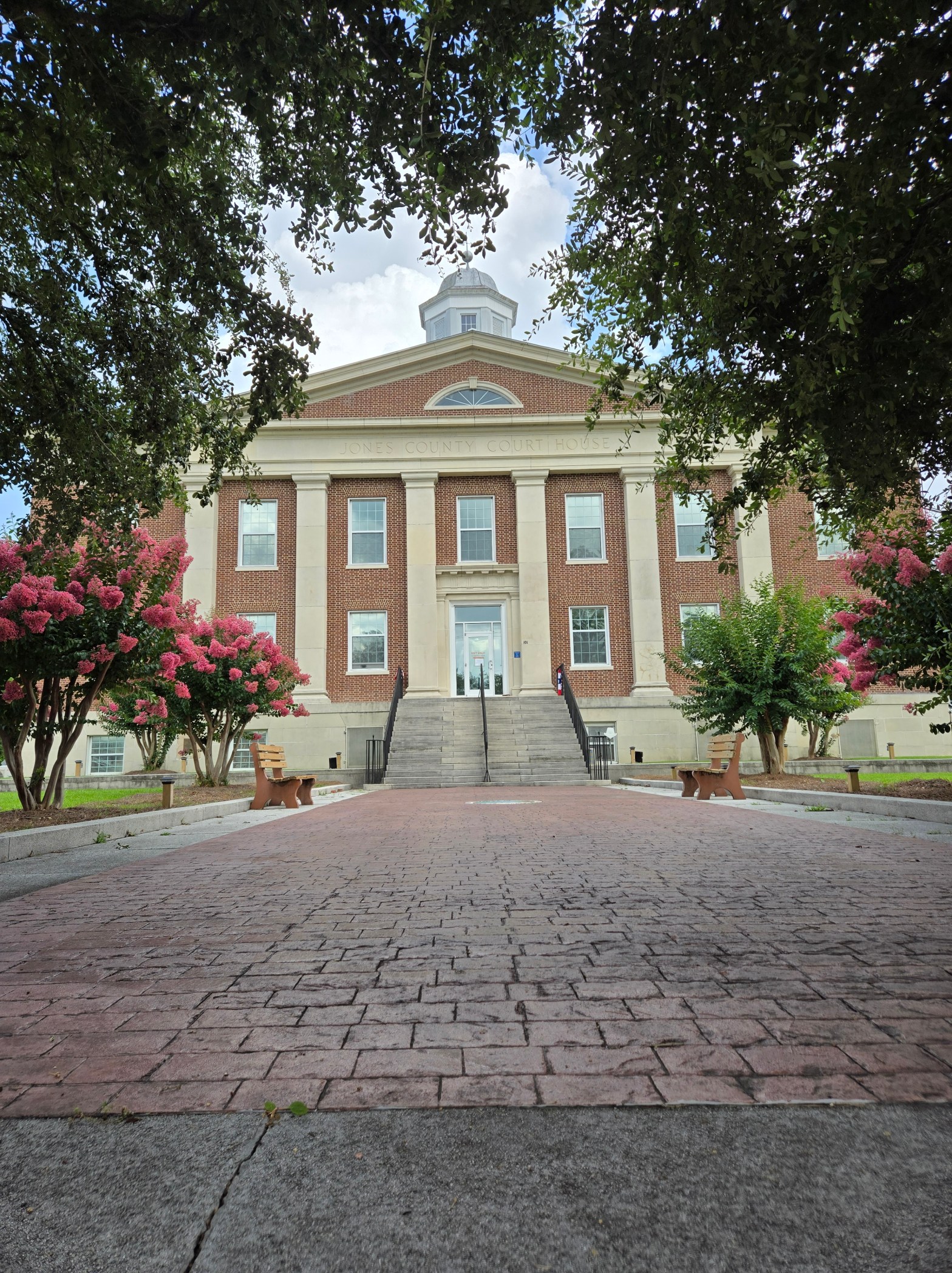
Duplin County was formed in 1750 from New Hanover County. It was named for Thomas Hay, Viscount Dupplin (later 9th Earl of Kinnoull), as he was known when he served on the Board of Trade and Plantations in England in the 1740s. In 1784, the western part of Duplin County became Sampson County. The county’s …
Journey through Wake County

Wake County was formed in 1770 from parts of Cumberland, Johnston, and Orange Counties. And prior to English colonization, present-day Wake County was part of the Tuscarora nation. However, Wake County did lose some of its territory through the formation of other counties, including Franklin County in 1787 and in Durham County in both 1881 …
Journey through Forsyth County

Forsyth County was formed in 1849 from Stokes County and was named for Colonel Benjamin Forsyth, who was killed in the War of 1812. The town of Horneytown in Forsyth County was named for the Horney family of early settlers, and it has frequently been noted on lists of unusual place names. Clemmons Originally named …
Journey through Edgecombe County

Edgecombe County was formed by Anglo Europeans in 1741 from Bertie County. It was named for Richard Edgcumbe, a Member of English Parliament from 1701 to 1742 and a lord of the treasury. He became 1st Baron Richard Edgecombe in 1742. In 1746, part of Edgecombe County became Granville County; in 1758, another portion became …
Journey through Davidson County

The original Davidson County was formed in 1786 as the far western portion of North Carolina, with its county seat at Nashville and a territory covering most of what is now Middle Tennessee. However, when Tennessee was established as a separate state in 1796, this county became Davidson County, Tennessee. The current North Carolina county …
Journey through Pitt County

If I could associate a color with Pitt County, it would most certainly be purple, as Greenville in Pitt County is home of the Eastern Carolina University (ECU) pirates. In addition to having a college town metropolis, you’ll also find a plethora of farmland, including tobacco, corn, dense pine forests, tobacco farms, and fertilizer mining …
Journey through Hertford County

Dotted with family cemeteries and occasional solar farms, Hertford County is painted with a plethora of open land and fields, lush farms and forests, as well as marshland. Psst… from late spring to early fall, watch out for turtles, big and small, crossing the road. The area was first settled in the 18th century with …
Journey through Greene County
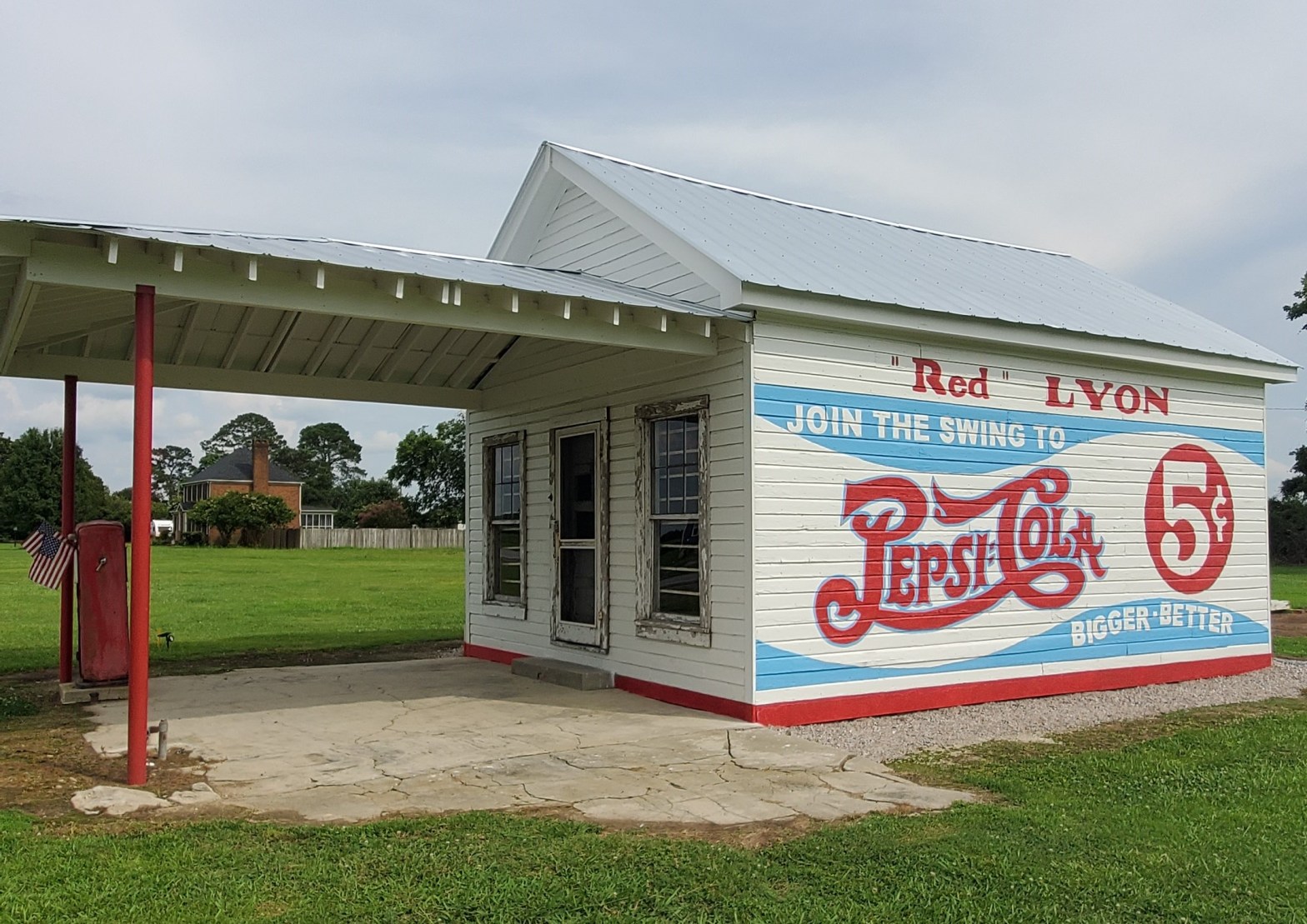
Tourism-wise, there’s not a whole lot that creates interest in Greene County, but there is some interesting history here. Greene County was named in honor of Nathanael Greene, one of General Washington’s right-hand men, as was the Piedmont city of Greensboro, NC. As part of a land grant by King Charles II of England in …
Journey through Stanly County

Stanly County was formed in 1841 from the part of Montgomery County west of the Pee Dee River. The county was named for John Stanly of New Bern (1774–1834), who served several terms in the North Carolina House of Commons and two terms in the U.S. House of Representatives. The county was originally populated with by small tribes. Artifacts and settlements have since been discovered, …
 Portable NC