

Dotted with family cemeteries and occasional solar farms, Hertford County is painted with a plethora of open land and fields, lush farms and forests, as well as marshland. Psst… from late spring to early fall, watch out for turtles, big and small, crossing the road. The area was first settled in the 18th century with …
Tag Archives: history
Journey through Burlington, NC

Discover Burlington at the heart of Alamance County! The need of the North Carolina Railroad in the 1850s to locate land where they could build, repair and do maintenance on its track was the genesis of Burlington, North Carolina. The company selected a piece of land slightly west of present-day Graham. On January 29, 1856, …
Journey through Alamance County

Alamance County was formed on January 29, 1849 from Orange County. Alamance County was named after Great Alamance Creek, the site of the Battle of Alamance (May 16, 1771), a pre-Revolutionary War battle in which militia under the command of Governor William Tryon crushed the Regulator movement. Great Alamance Creek, and Little Alamance Creek, according …
Journey through Montgomery County
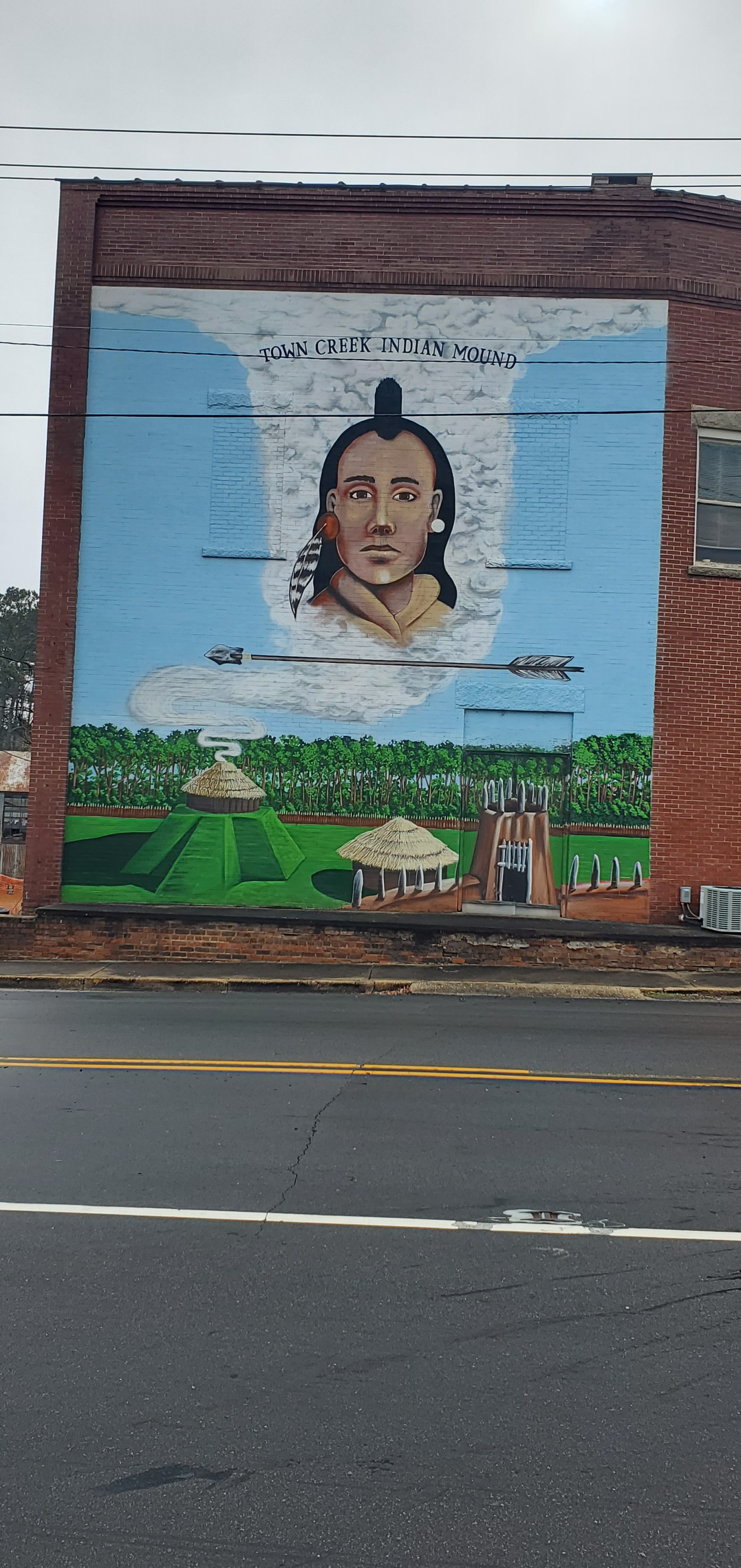
The first inhabitants of the area eventually comprising Montgomery County were Keyauwee and Cheraw Native Americans. And the first European settlers were German and Scottish. Montgomery County was created in 1779 out of Anson County. It was named in honor of Richard Montgomery, an American Revolutionary War general killed in 1775 while attempting to capture …
Journey through Stokes County
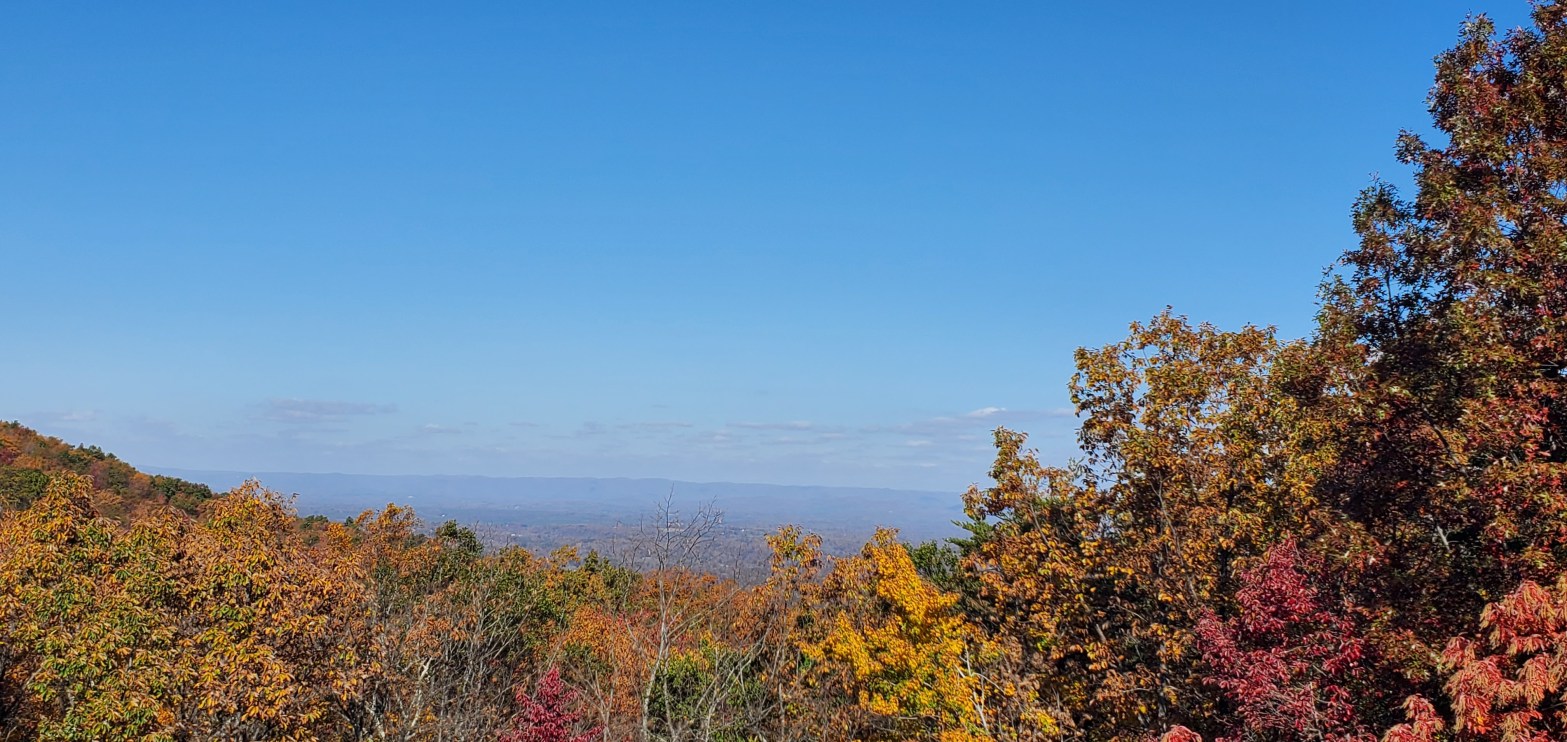
Stokes county was formed in 1789 from Surry County; and before 1770, it was part of Rowan County. The county was named for John Stokes, an American Revolutionary War captain severely wounded when British Colonel Banastre Tarleton’s cavalry practically destroyed Col. Abraham Buford’s Virginia regiment in the Waxhaws region in 1780. Stokes was most heavily …
Journey through Sampson County

A drive through Sampson County will quickly reveal that it is largely an agricultural area. You’ll pass by outstretched fields of corn, tobacco, soy bean, and even watermelon. The area is also known for its blueberry farms, sandy soil, pine groves and forests, and cypress swamps as well as occasional palm trees and Spanish moss. …
Journey through Stanly County

Stanly County was formed in 1841 from the part of Montgomery County west of the Pee Dee River. The county was named for John Stanly of New Bern (1774–1834), who served several terms in the North Carolina House of Commons and two terms in the U.S. House of Representatives. The county was originally populated with by small tribes. Artifacts and settlements have since been discovered, …
Journey through Randolph County

Home to the original school that became Duke University, some of the first European settlers moved into this area of the Piedmont. The county was formed in 1779 from now neighboring Guilford County and part of a then larger Rowan County. Randolph County was named for Peyton Randolph, the first president of the Continental Congress. …
Journey through Scotland County

Scotland County was founded in 1899 from the southeastern part of Richmond County, which was divided to reduced the travel time for residents to the county seat of Rockingham. The county name documents the strong historic and cultural influence from the early settlers from Scotland. Scotland County is often referred to as the “Soul of …
Journey through Hoke County

Discover rural life in Hoke County, bordering the low country of South Carolina. Hoke county is dotted with small, unincorporated communities like Ashley Heights, Five Points, Silver City, Arabia, and Rockfish. Raeford is the county seat of Hoke County, and the most populated area of the county. Hoke County is among the smallest counties in …
 Portable NC