
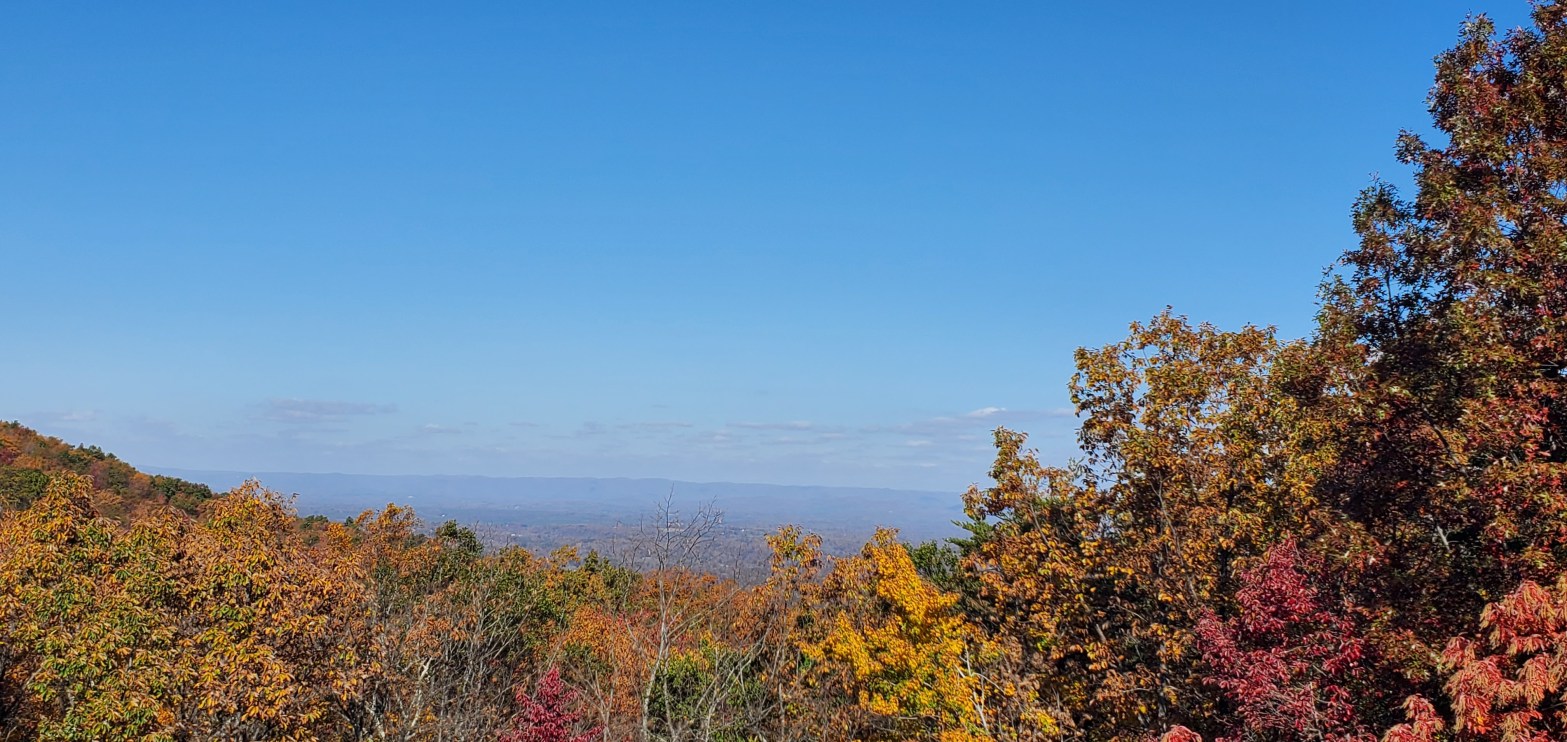
Stokes county was formed in 1789 from Surry County; and before 1770, it was part of Rowan County. The county was named for John Stokes, an American Revolutionary War captain severely wounded when British Colonel Banastre Tarleton’s cavalry practically destroyed Col. Abraham Buford’s Virginia regiment in the Waxhaws region in 1780. Stokes was most heavily …
Author Archives: portablenc
Journey through Johnston County
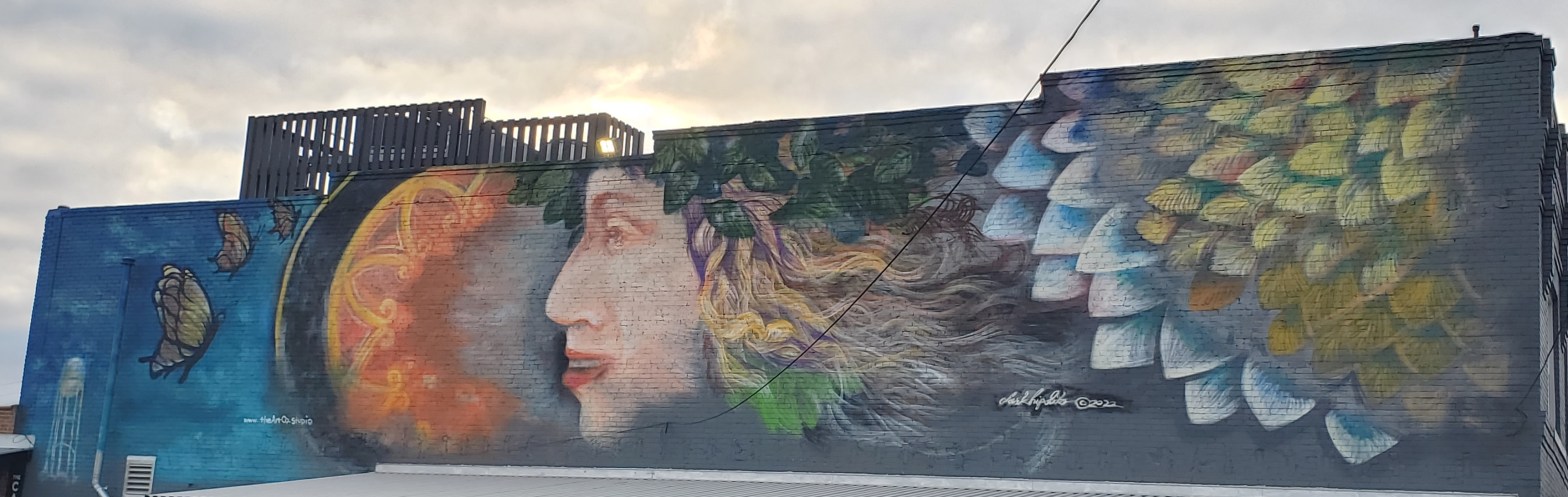
Named for Governor Gabriel Johnston, Johnston County, or JoCo as it is affectionately called today, was established on June 28, 1746, from the upper part of Craven County. Located in the southeastern part of North Carolina, farming has a primary business since its earliest days. Most early growers in Johnston County were subsistence farmers. A …
Journey through Alleghany County
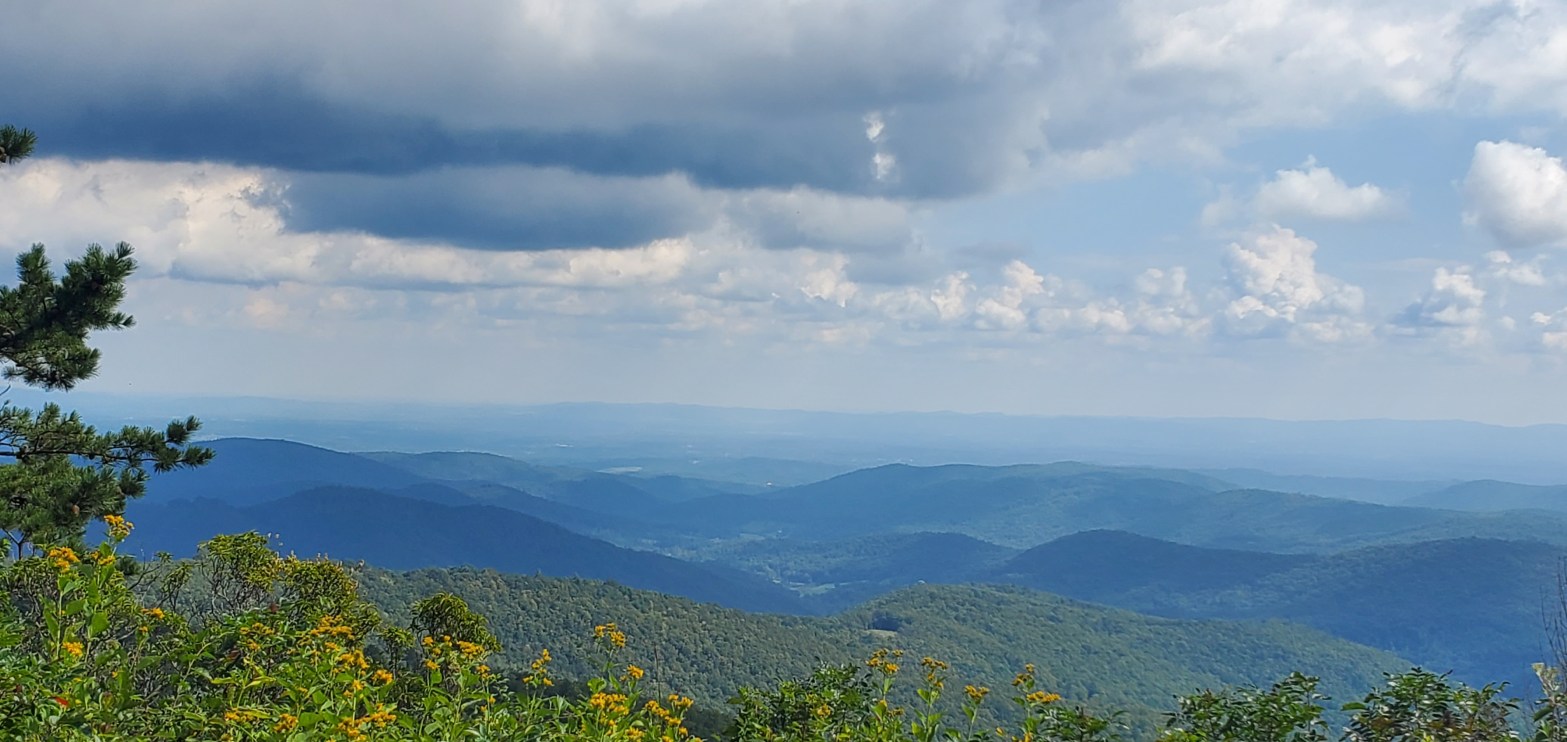
The fifth smallest county in North Carolina, Alleghany County was formed from parts of Ashe County in 1859 by an act of the North Carolina General Assembly. The county received its name from the Allegewi Indian word “oolikhanna” (beautiful stream). In 1825, Bower’s Store became Alleghany’s county seat. The earliest inhabitants of the area eventually …
Journey through Bladen County

Throughout Bladen County, you’ll find a plethora of pine trees, as it is part of the Southern Pines/Sandhills region, as well as corn, soy bean, watermelon, and blueberry fields as well as turf farms. Curiously, you’ll also happen upon a large number of private family cemeteries–some roadside and some set back on private land. As …
Journey through Sampson County

A drive through Sampson County will quickly reveal that it is largely an agricultural area. You’ll pass by outstretched fields of corn, tobacco, soy bean, and even watermelon. The area is also known for its blueberry farms, sandy soil, pine groves and forests, and cypress swamps as well as occasional palm trees and Spanish moss. …
Journey through Wayne County
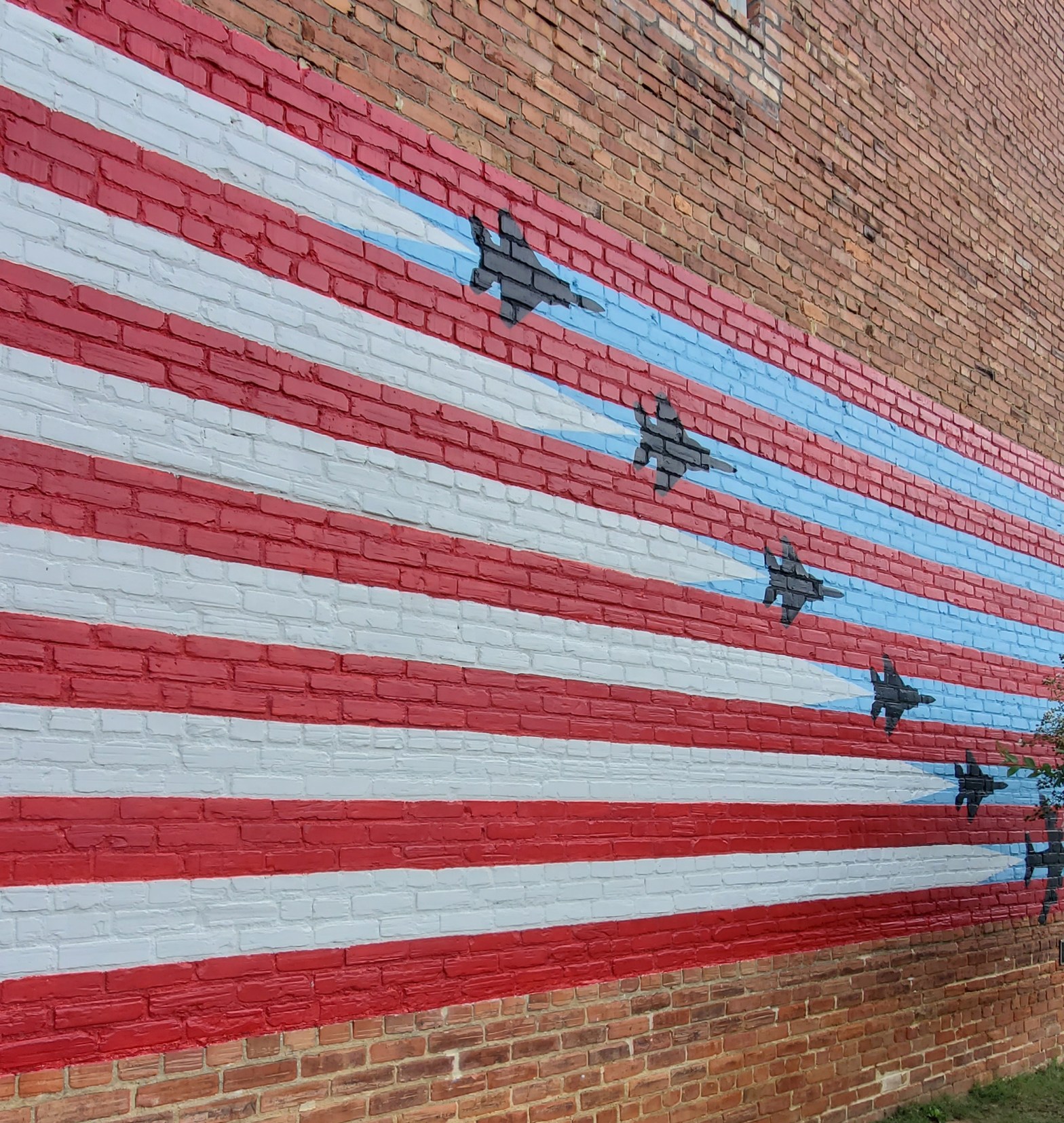
Wayne County, North Carolina was founded in 1779 and named for the Revolutionary War hero from Pennsylvania, General Anthony Wayne. Prior to 1730, Indians and wild animals were the only known occupants of the territory. Settlers trickled into the territory, but there was no general movement of immigration until after 1750. During the Revolutionary War, …
Journey through Lenoir County

Lenoir county was formed in 1791 from the southern part of Dobbs County and was named for William Lenoir (1751-1839), an officer in the American Revolutionary War who took part in the Battle of Kings Mountain. The area hosts a BBQ Fest on the Neuse in May each year, including a car/truck show. You can …
Journey through Greene County
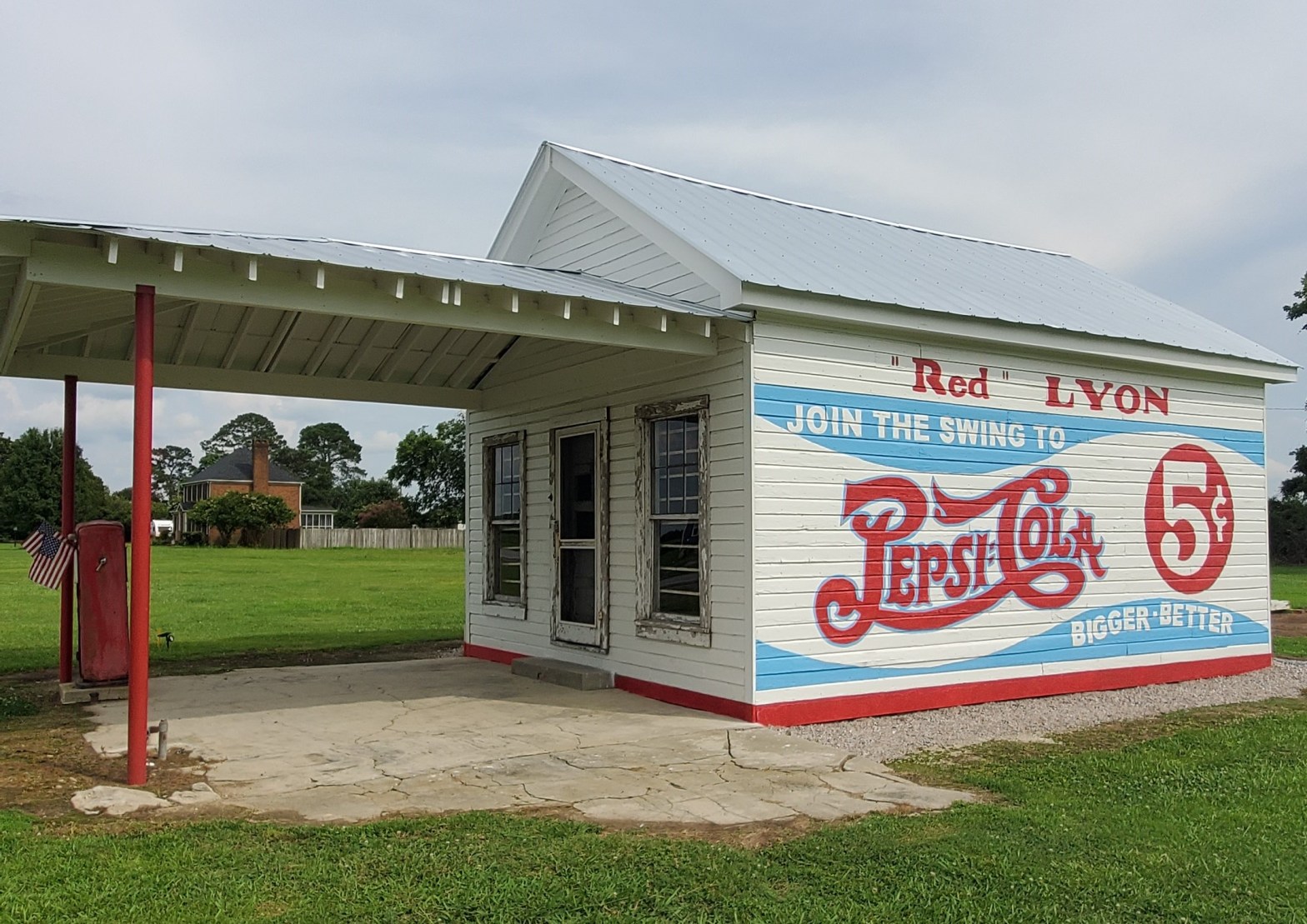
Tourism-wise, there’s not a whole lot that creates interest in Greene County, but there is some interesting history here. Greene County was named in honor of Nathanael Greene, one of General Washington’s right-hand men, as was the Piedmont city of Greensboro, NC. As part of a land grant by King Charles II of England in …
Journey through Warren County
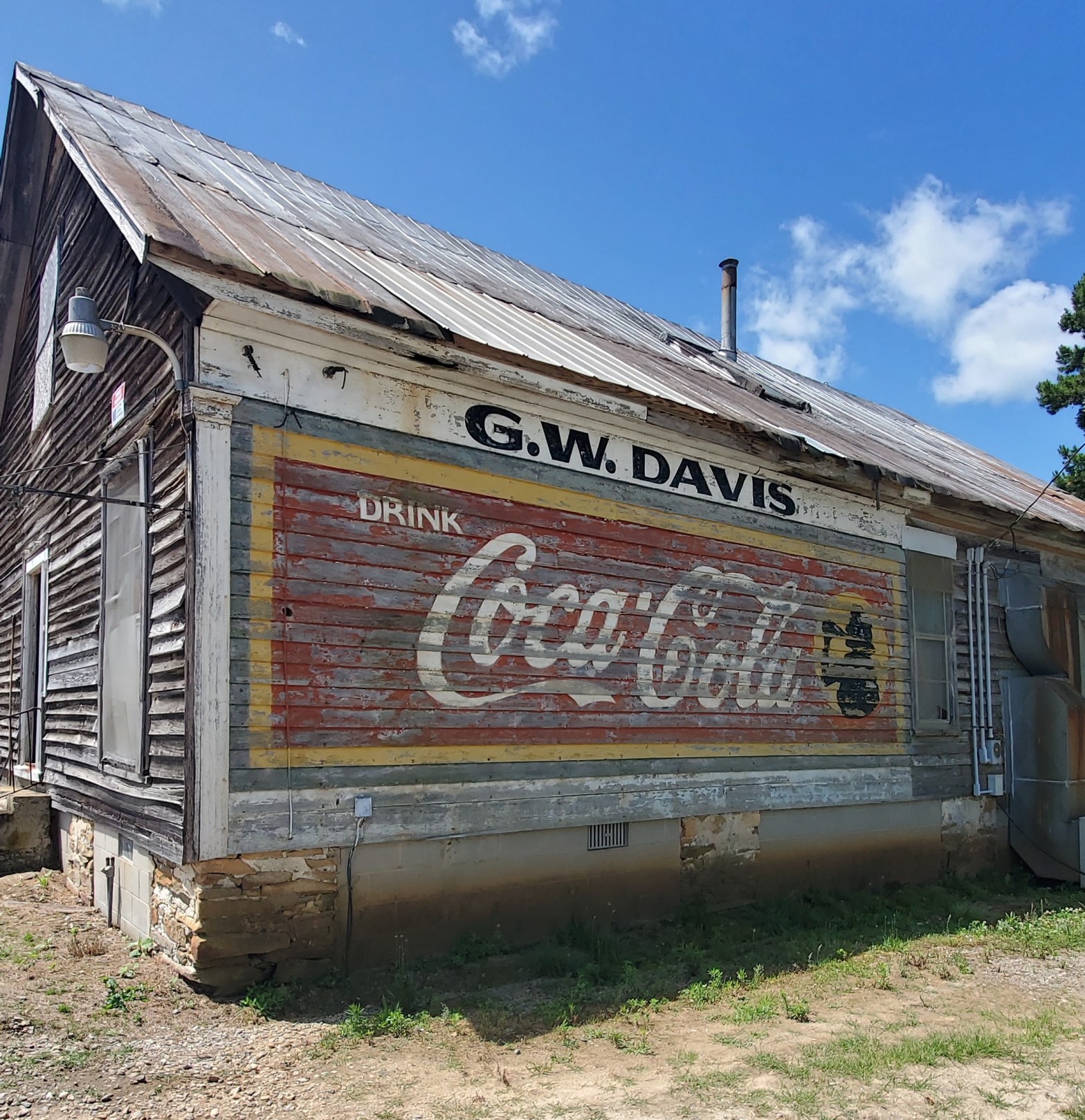
Warren County Once one of the wealthiest counties in the state from 1840 to 1860 as the center of tobacco and cotton plantations, education, and later textile mills, Warren County is now one of the poorest counties in North Carolina. It was made famous for a landfill scandal and a birthplace of the environmental justice …
Journey through Union County
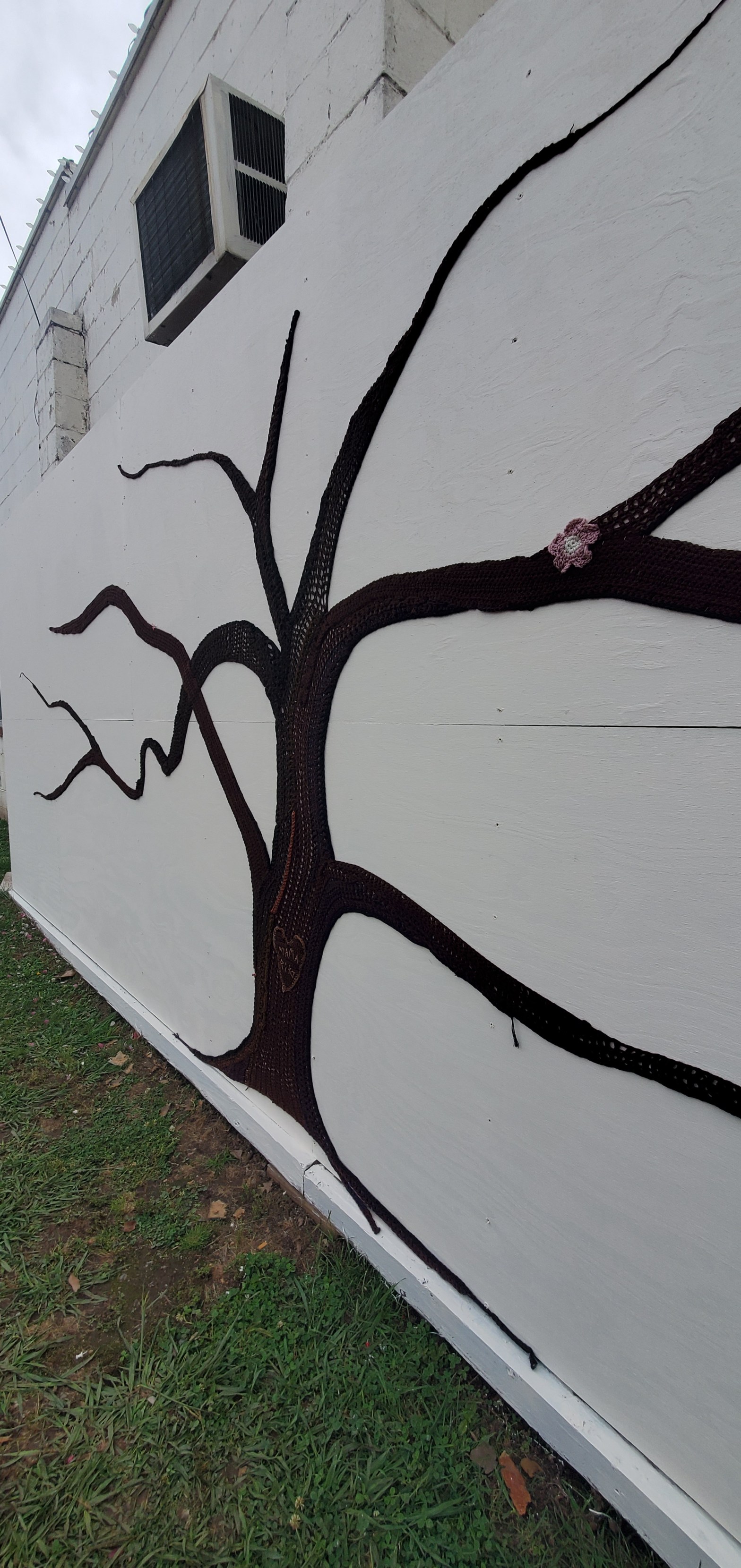
Union County was formed in 1842 from parts of Anson County and Mecklenburg County. Its name was a compromise between the Whigs, who wanted to name the new county for Henry Clay, and the Democrats, who wanted to name it for Andrew Jackson. The Helms, Starnes, McRorie, and Belk families were prominent in the town …
 Portable NC