
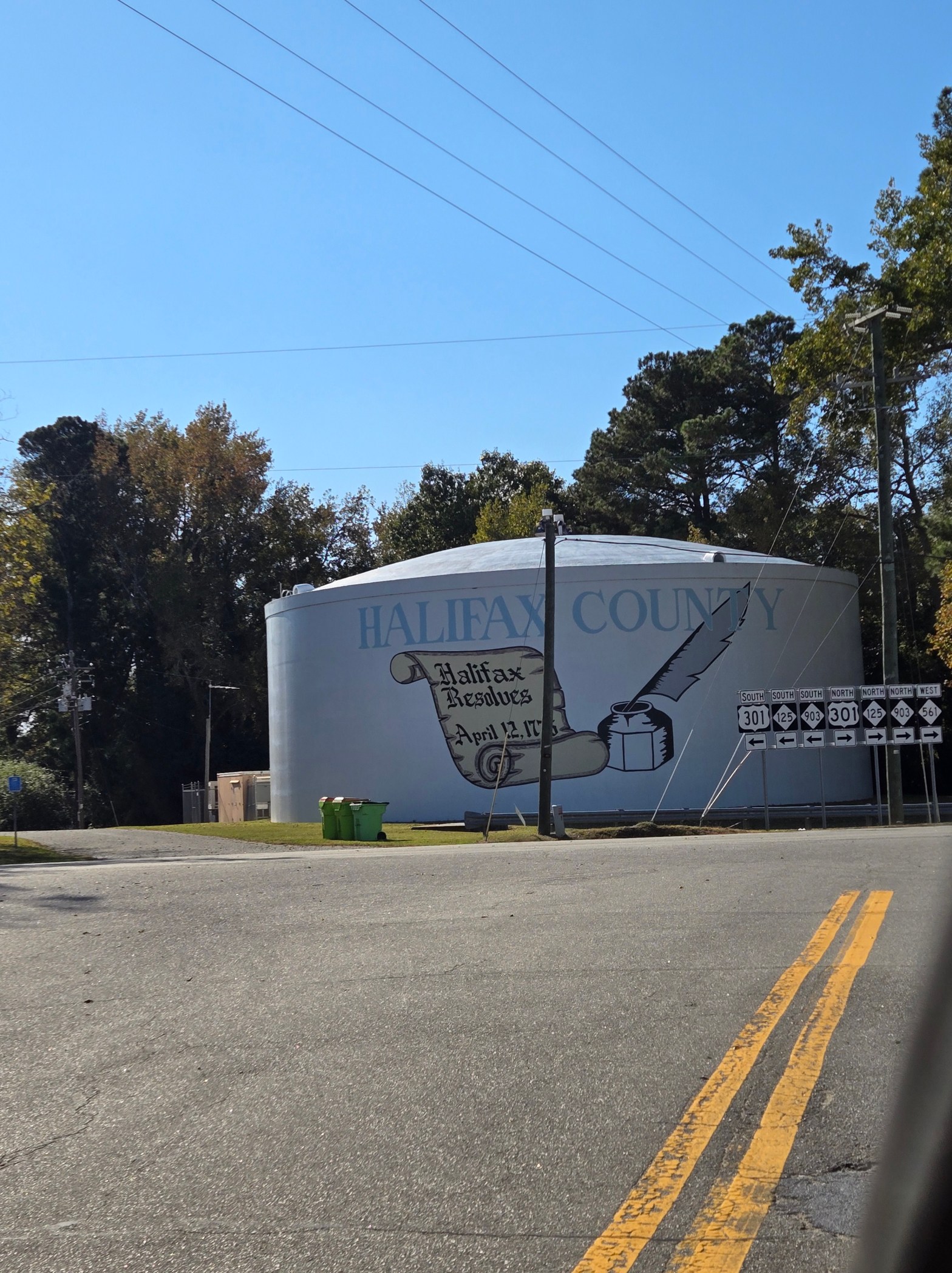
Halifax County is located in North Carolina’s Piedmont, Coastal Plain, and Atlantic Coast Flatwoods regions. Much of the region’s geography and history were shaped by the Roanoke River, which forms the northern boundary of Halifax County. According to Preservation North Carolina, “Halifax County is one of the oldest counties in North Carolina with a rich history dating back to the earliest days of European settlement of North America. Over the years, Halifax County has provided North Carolina with more leaders – governors, congressmen, generals – than any other county in the state.”
Originally the area was home to Tuscarora Indians before it was settled in the early 18th century by English colonists migrating south from Virginia and also from New Jersey. The town of Halifax developed along the banks of the Roanoke River and established itself as the trading center for goods passing through the area. Halifax remained a prosperous county until the railroads overtook the river as its major form of transport. The town of Halifax became the county seat. (Enfield was the original county seat when Halifax was part of Edgecombe County).
In addition to claiming 40 sites on the National Register of Historic Places, Halifax County is also historically significant for other reasons. On April 12, 1776, the North Carolina Provincial Congress met in Halifax and passed a resolution known as the Halifax Resolves. The first resolution of its kind, the document instructed North Carolina’s delegates to the Second Continental Congress in Philadelphia to vote for independence from Great Britain. The date of the Halifax Resolves is commemorated on the state’s flag. Each year April 12 is celebrated as Halifax Day, with individuals in period costumes demonstrating colonial-era activities and craftsmanship.

Littleton
Originally Littleton was divided between the counties of Warren and Halifax, but on July 1, 1974, an election was made to make Littleton only to be a part of Halifax County. Incorporated in 1877, the town was named for William Little who was a state senator when the town was founded, and he was also the first Postmaster of Littleton. The original post office was “Person’s Ordinary” and is still standing in its original location on Warren St.
In 1882, Littleton College for women was founded with an initial enrollment of eleven students. The college became relatively successful with a peak enrollment of 285 in 1908. On January 22, 1919, the college was destroyed by fire, and without an endowment, it was never rebuilt.
Littleton has been known as “Little People Town”, and “The Little Town with the Big Heart”, and “Gateway to Beautiful Lake Gaston.” When in Littleton, be sure to stop by Main Street Mercantile for some lovely gifts and locally crafted items.
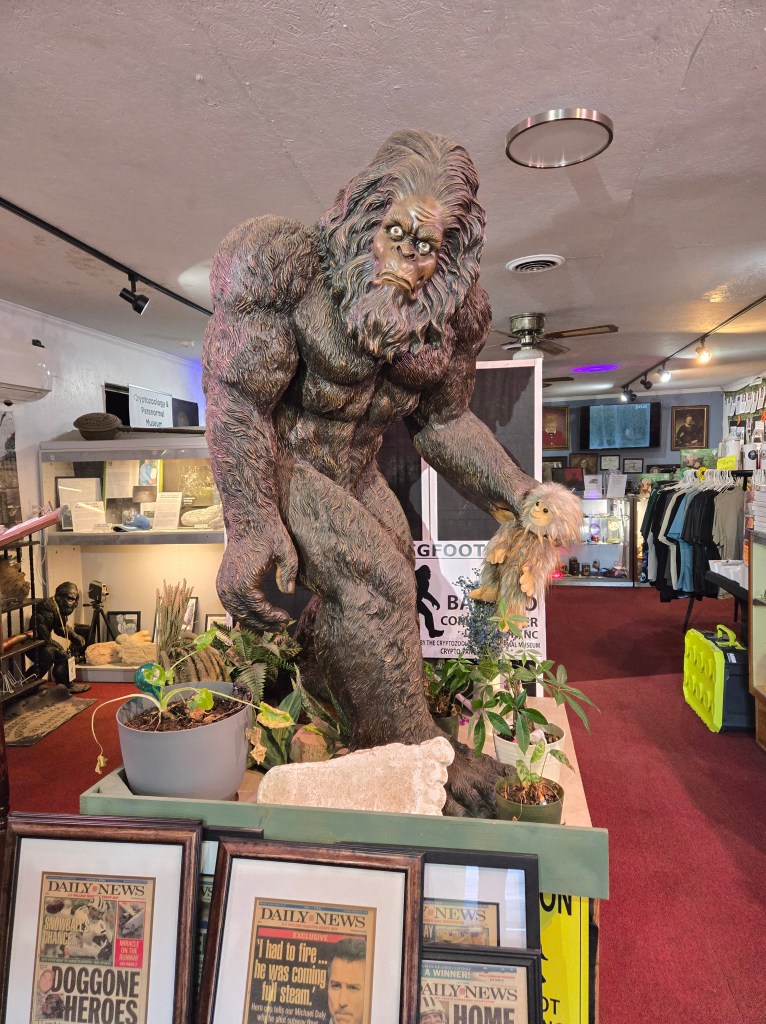
The Cryptozoology & Paranormal Museum
Just down the street from the town’s center, you’ll discover the Cryptozoology & Paranormal Museum (300 N Main St.). The museum holds several dolls purported to be haunted as well as several authentic Big Foot foot castings and numerous other objects and collections of haunted items, paraphernalia, and historic cryptid items. The museum is run by Stephen Barcelo, who has been interviewed by paranormal shows numerous times. The museum director promises that you won’t walk away with any attachments, although the museum itself has had some unexplained phenomena.

Roanoke Valley Veterans Museum
This blogger has visited many veteran museums throughout North Carolina, and this one ranks at the top of the list. You’ll find some amazing displays at the Roanoke Valley Veterans Museum (102 E N. Main St.). But, perhaps even more importantly, the museum director David Johnson is an amazing wealth of knowledge — and was even working in the Pentagon on the day of the 911 attacks and when one of the planes was flown into the Pentagon. If you are even remotely a history buff, plan to stay a while. Johnson is enthusiastic and will be more than happy to share his knowledge and experiences with you. I found his stories to be amazing. Be sure to check out the mural on the side of the building, and Johnson can tell you the history behind the mural as well.

Frank’s Fine Arts
Stop by Frank’s Fine Arts (133 E S Main St.) and peruse through the beautiful art pieces — all for sale — as well as the neighboring leather shoppe, which are conjoined in the same space.
Hollister

Medoc Mountain State Park
Whether staying for a week or weekend in the area of just for the day, you’ll want to make a stop at Medoc Mountain State Park (1541 Medoc State Park Rd.) in Hollister, NC. Here, you’ll find seven walking trails totaling more than 10 miles, including a miniature rapids, as well as bridle and biking trails and picnicking and camping facilities. Medoc Mountain’s highest point reaches 325 feet above sea level and is the core of what was once a larger mountain range. The park is situated on the ancestral homelands of the tribe currently known as the Haliwa-Saponi, descendants of the Saponi, Tuscarora, Tutelo, and Nansemond Indians.
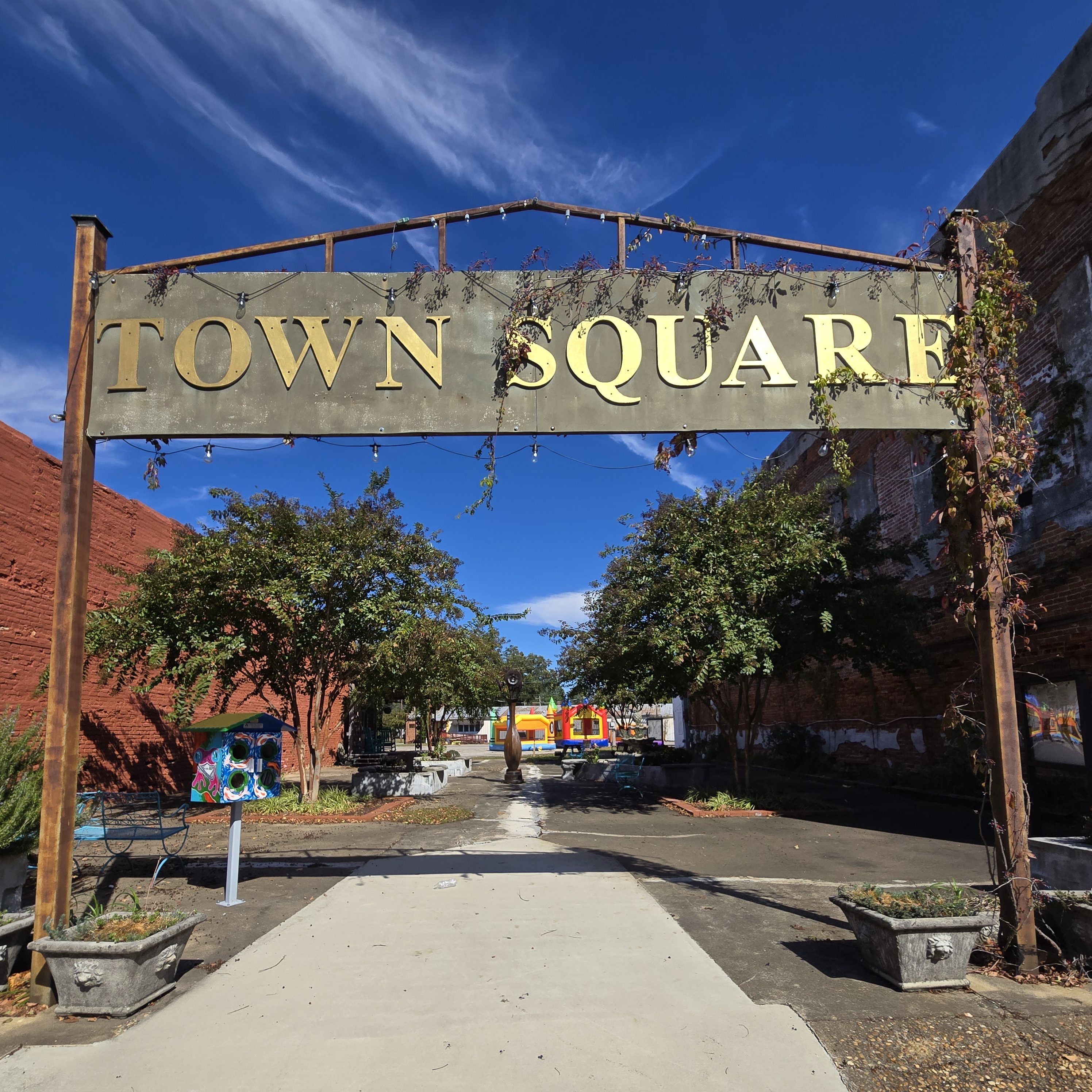
Enfield
Enfield is a town in Halifax County, North Carolina, United States, and was founded in 1740. It is the oldest town in Halifax County, and was once the world’s largest raw peanut market. Enfield is part of the Roanoke Rapids micropolitan area.
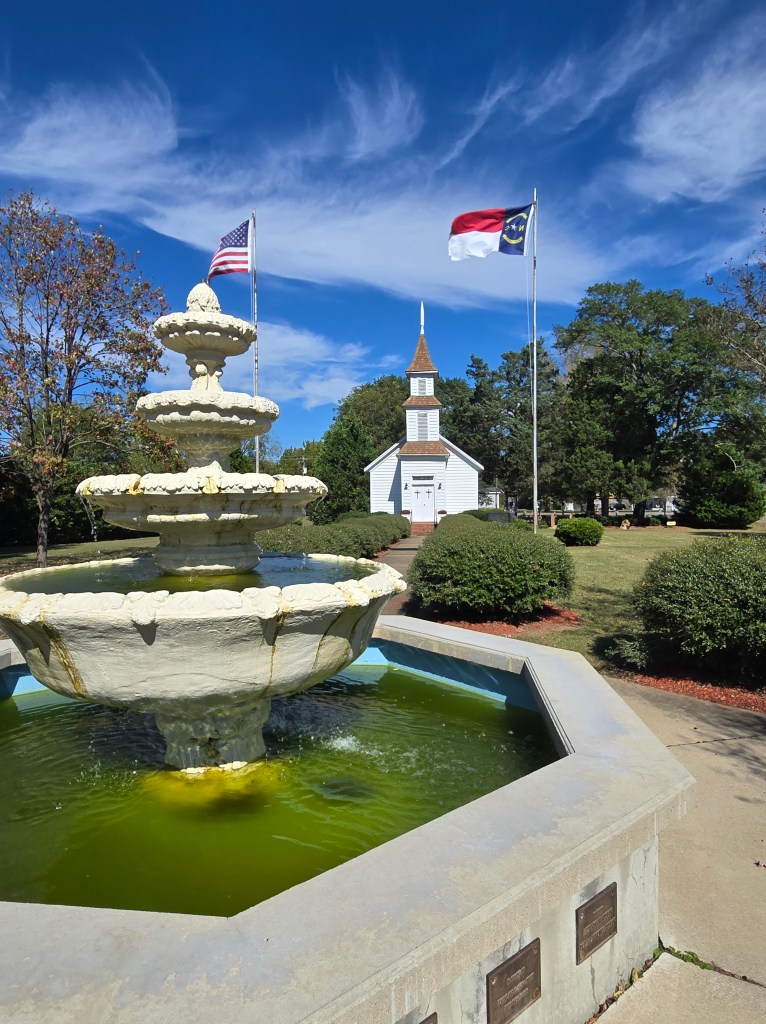
Hobgood
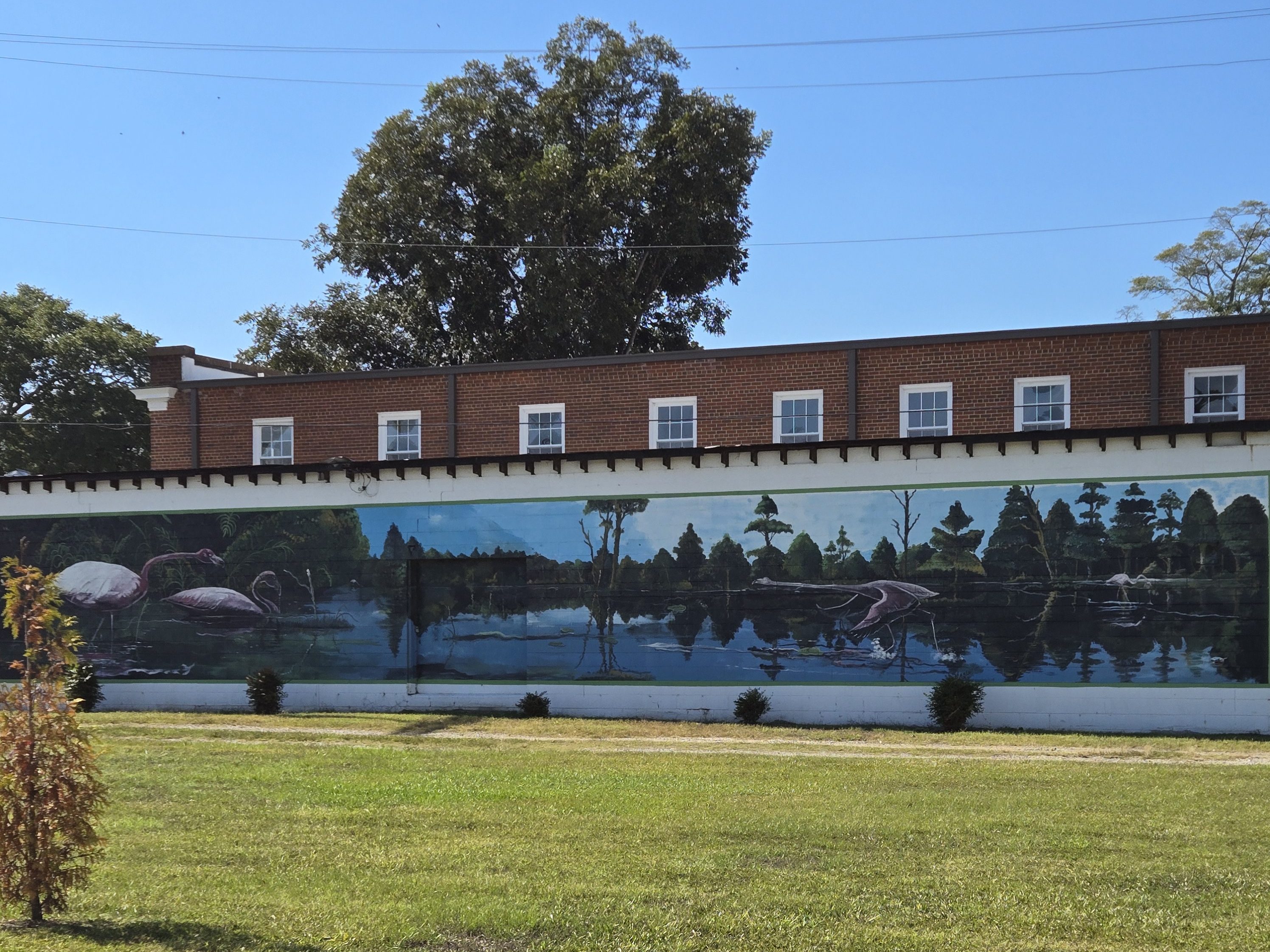
Hobgood is home to the annual Cotton Festival and to the former Atlantic Coastline Railroad Depot also know as The Hobgood Depot. The depot is located in Friendship Park in the center of town. The depot serves as the center of all community activities and projects and includes Internet access for visitors, a conference room and railroad museum. Hobgood is also home to one of the many Napolean Hill murals located throughout the eastern portion of the state. You’ll find 10 total Napolean Hill murals in Halifax County and some in Pitt County as well.
Scotland Neck
You’ll find another Napolean Hill mural in Scotland Neck at 1014 Main St. Scotland Neck is also home of the annual Crepe Myrtle Festival.
Rock Museum at Kaye Lee’s Corner
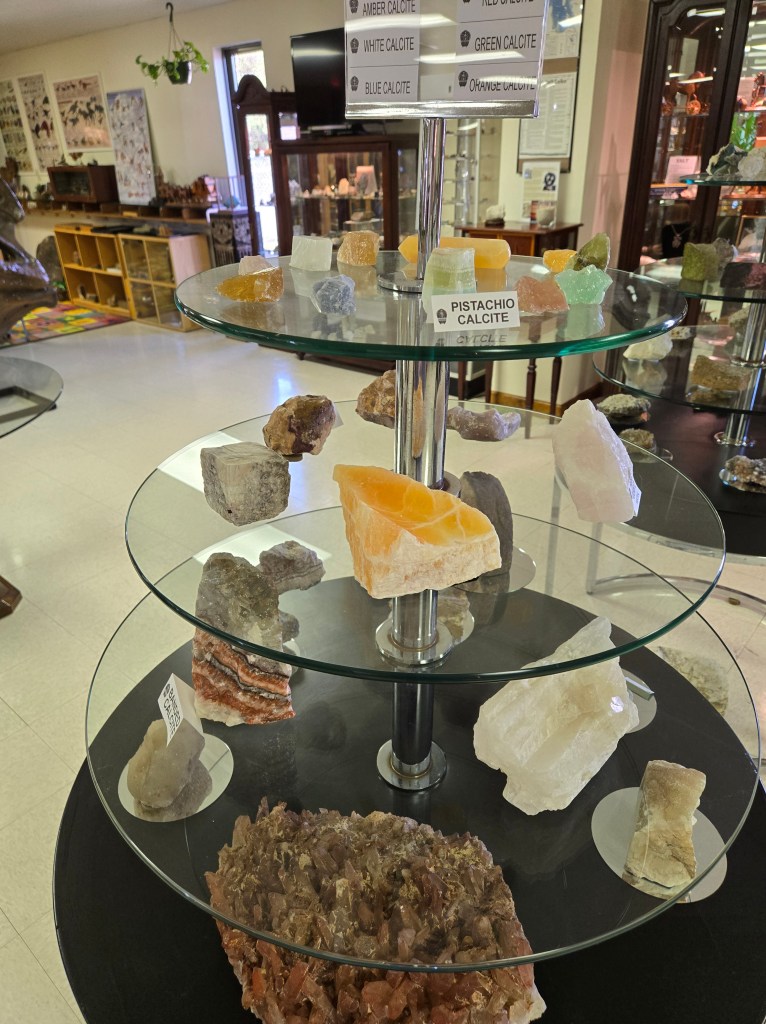
In the same parking lot and directly across from the Food Lion, you’ll find the Rock Museum (37 Food Lion Rd.), offering tours, classes, educational programs, and annual shows and events surrounding geology and the area’s geological history.

Sylvan Heights Bird Park
Scotland Neck’s biggest draw is the Sylvan Heights Bird Park (500 Sylvan Heights Park Way), featuring more than 2,000 rare and endangered waterfowl, pheasants, parrots, toucans, and more. Plan to be spend a few hours here perusing through the aviaries, some of which allow you to get up close and personal with some of the bird life. The park is divided into regions (Australia, Eurasia, North America, South America, Africa) as well as Wings of the Tropics, Birds of Paradise, Endangered Birds, and Penguin Point. The park invites you to see birds in a whole new way!
Halifax
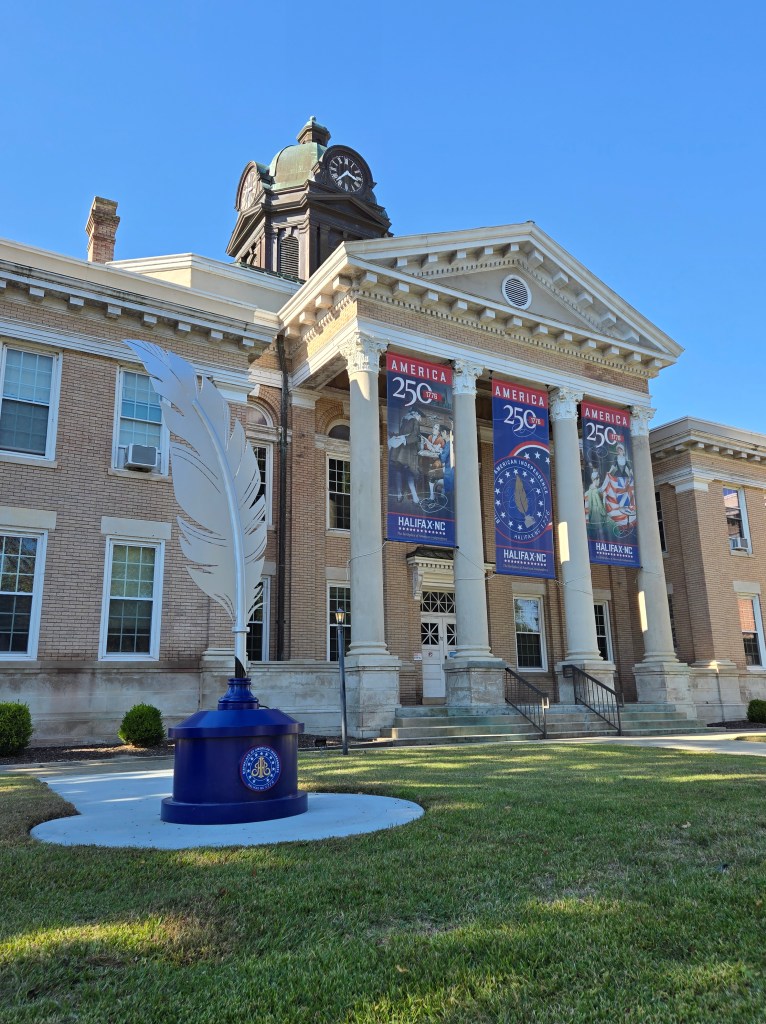
Known as “The Birthplace of Freedom,” Halifax is the location for the April 12, 1776, adoption of the Halifax Resolves, which was the first official action by a colony calling for independence from Britain. Halifax was established in 1757 and named for George Montagu-Dunk, 2nd Earl of Halifax. In January 1759 it became the county seat of the new Halifax County and the town developed into a commercial and political center at the time of the American Revolution.
The Church of the Immaculate Conception and the Michael Ferrall Family Cemetery, William R. Davie House, Eagle Tavern, Halifax County Courthouse, Halifax County Home and Tubercular Hospital, Halifax Historic District, Sally-Billy House, and St. Mark’s Episcopal Church are all listed on the National Register of Historic Places. You can visit many of these building independently. The Eagle Tavern has several in-depth, historical exhibits and artifacts throughout the building.
The town of Halifax and the Roanoke River were also strategic locations on the Underground Railroad. On March 9, 2015, an Amtrak passenger train collided with a tractor trailer in Halifax, with part of the train derailing and 55 passengers were injured. You’ll find another Napolean Hill mural in Halifax at 16 King St. as well as the Halifax Underground Railroad Trail and Halifax State Historic Site at 25 St. David St.
Weldon
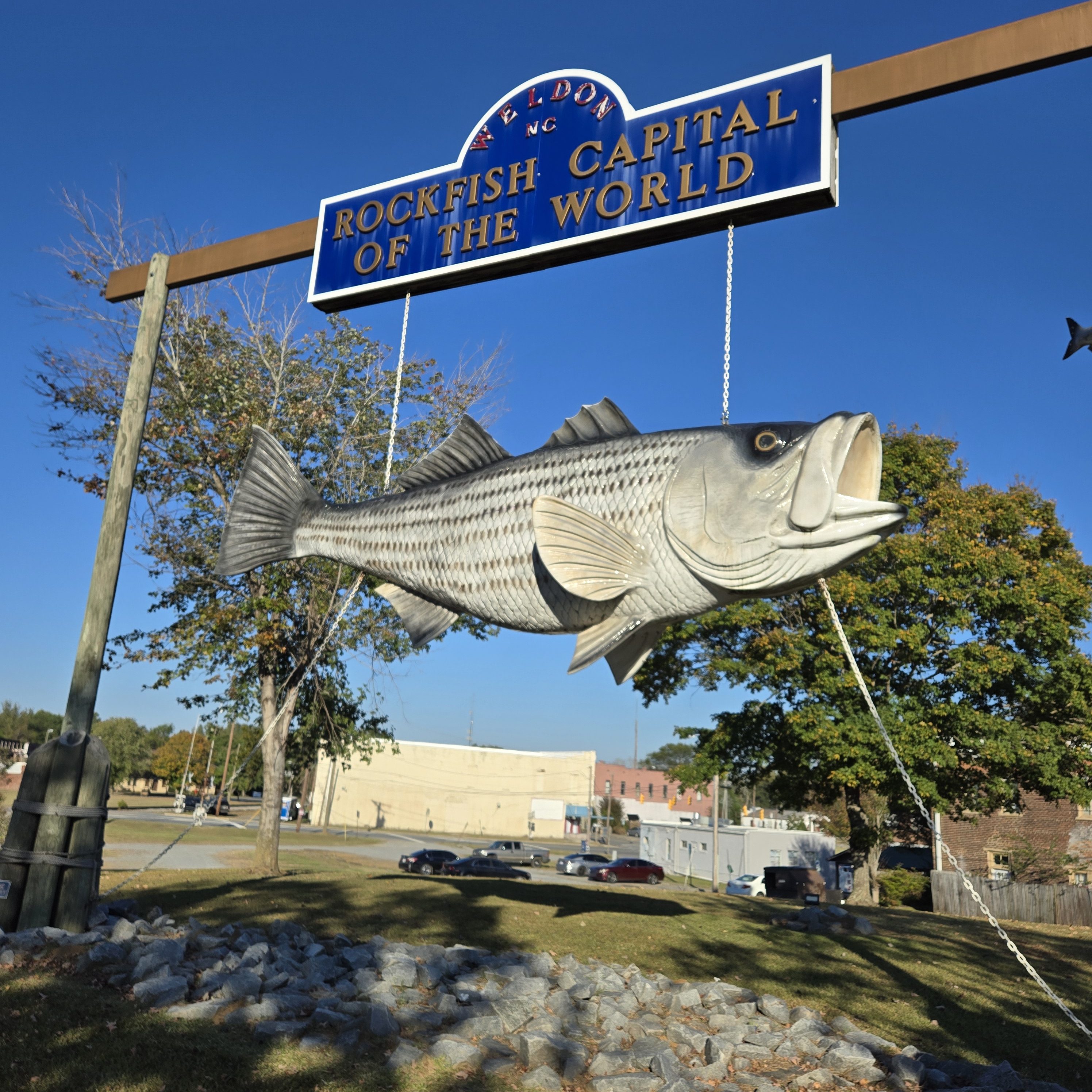
Weldon is the Rockfish capital of the world! In 1752, Daniel Weldon purchased 1,273 acres of land on the Roanoke River. His plantation became known as Weldon’s Landing. As it was just below the fall line, Weldon’s Landing was the westernmost point of navigation along the Roanoke. The Roanoke Canal was built in 1823 to bypass the rapids and open up trade to Virginia. The aqueduct across Chockoyotte creek was built near Weldon’s Landing, bringing an economic boom to the area. The canal is now dry, and is a hiking trail open to the public.
Weldon was the first railroad hub in the American South, as the Seaboard and Roanoke Railroad terminated in Weldon. In 1841, the Wilmington and Weldon Railroad was completed, also terminating in Weldon. At the time, it was the longest railroad in the world, which led to the incorporation of the town in 1843. The Petersburg and Roanoke Railroad in 1848 and the Raleigh and Gaston Railroad in 1853 both extended to terminate in Weldon. During the Civil War, both railroad bridges over the Roanoke were burned. Only the Seaboard and Roanoke rebuilt their bridge.
You’ll find another Napolean Hill mural in Weldon at Washington Ave & E 3rd St. Singer and actor, also of American Idol fame, Chris Daughtry is from the area.

Weldon Mills Distillery
North Carolina’s most awarded small-batch distillery, Weldon Mills Distillery (100 Rockfish Dr.) has become the #1 Micro-Distillery in America and seen its bourbons win Platinum and an array of other awards in an extraordinarily competitive environment. The distillery says they offer the world’s best bourbon experience through a lineup of elegant products with unrivaled quality and craftsmanship. Stop by for a tasting in the historic millhouse just steps from scenic views of the Roanoke River. They also offer RV camping as well as a ride on their historic trolley from the historic mill house to the distillery.
Roanoke Rapids
Roanoke Rapids was first settled as a mill town and is known for its many historical sites. The original Roanoke Rapids High School building or Senior building as it is sometimes referred, opened in 1921 and is still in use. The building embodies many elements of Elizabethan Gothic and Tudor Revival architecture in its castle-like facade. The high school is the dominant building in the city’s central core and is flanked by another castle-like structure which formerly housed a National Guard Armory.
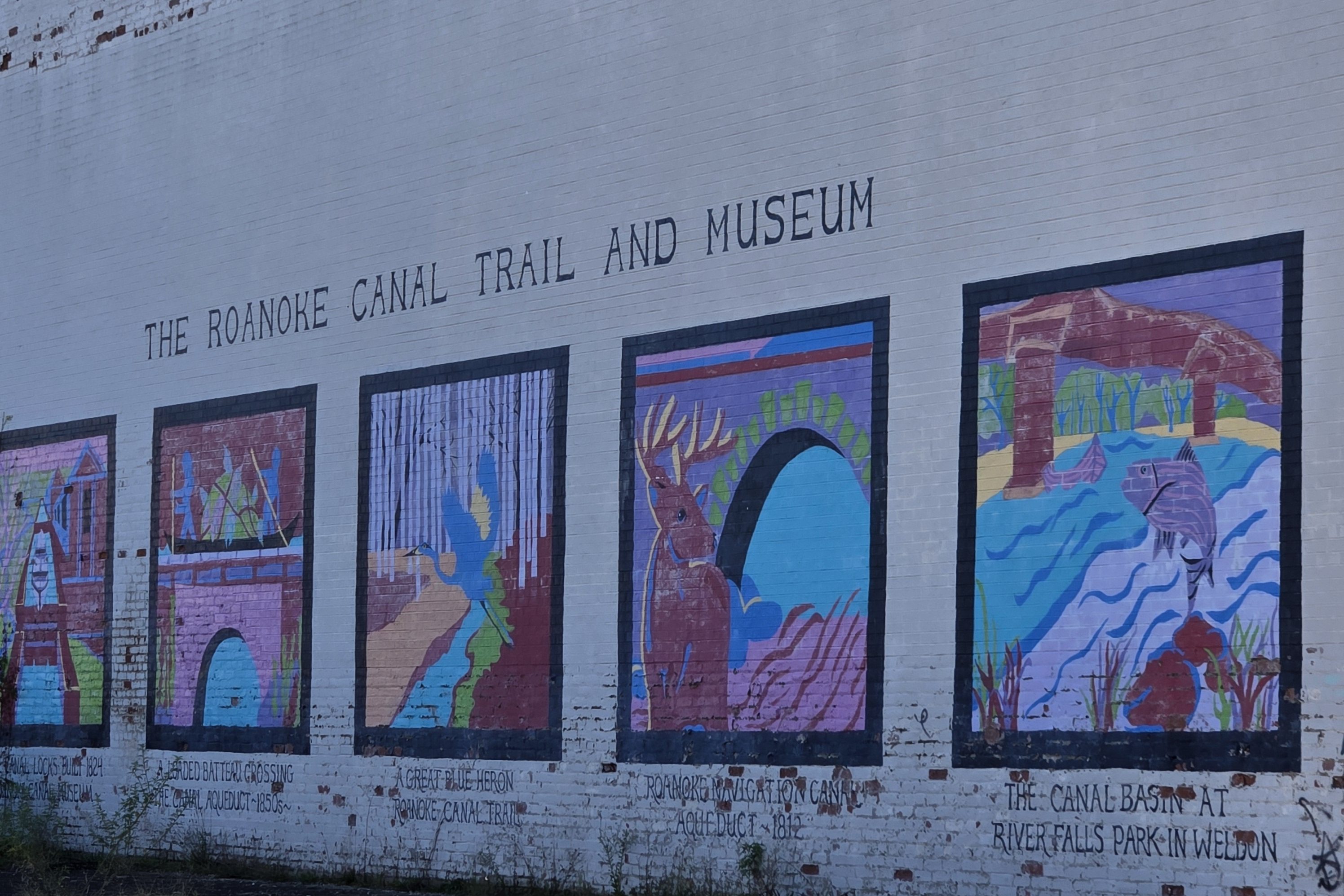
The Roanoke Canal Museum and Trail is one of the city’s oldest historical sites. The 1823 canal lock building has been adapted as a museum to show the significance of the canal system to American westward expansion. It offers an in-depth look at the influential people who pushed for the Roanoke River to become a source of trade and navigation, as well as the commodities that were shipped and traded on the Roanoke River. The trail, over seven miles long, is adjacent to the museum and largely parallel to the Roanoke River.
Next stop… Winston-Salem!
 Portable NC