
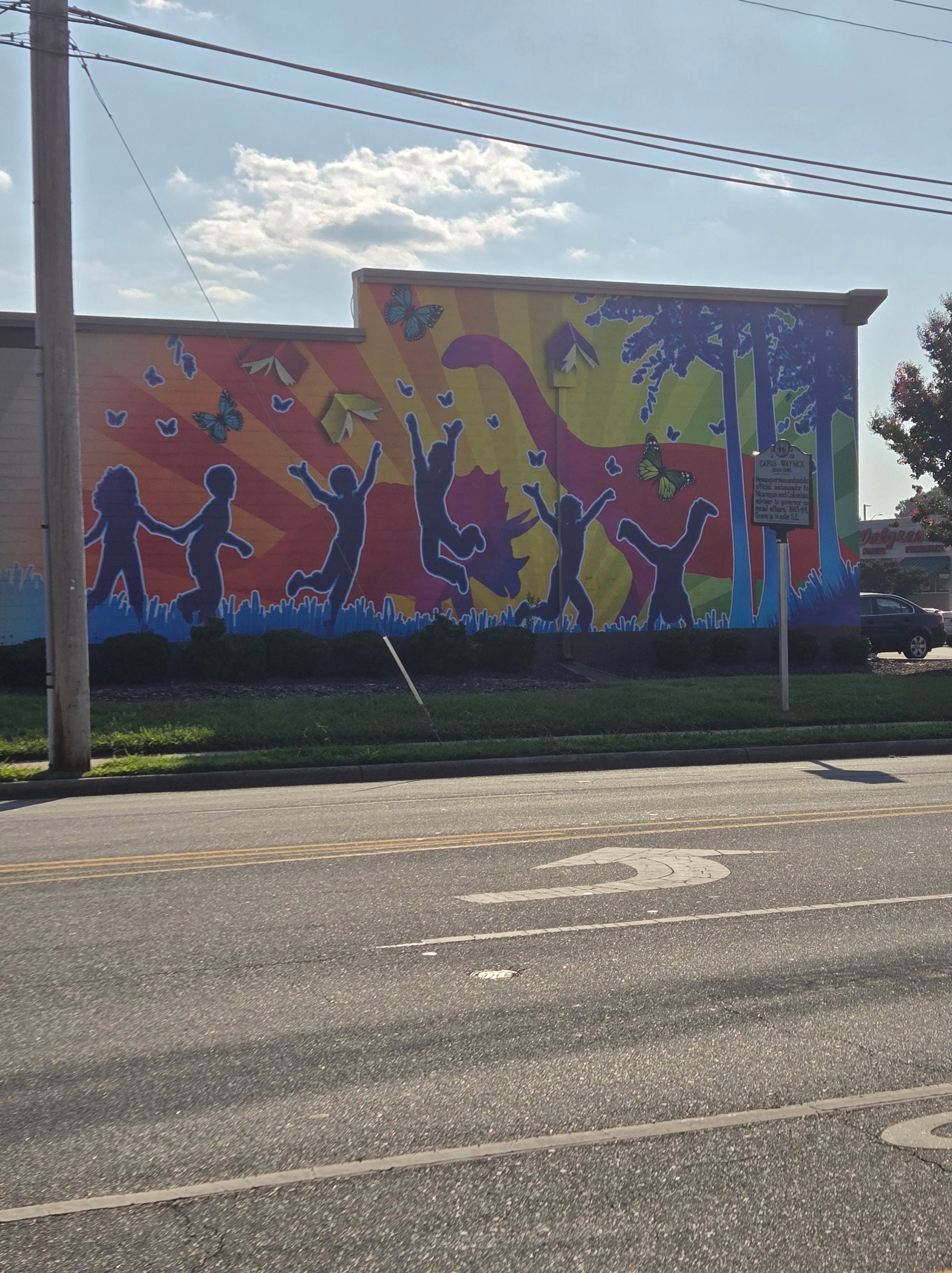
Guilford County is the third-most populous county (and city) in North Carolina behind Mecklenburg County (Charlotte) and Wake County (Raleigh).
The original inhabitants of the area were a Siouan-speaking people called the Cheraw. Beginning in the 1740s, settlers arrived in the region in search of fertile and affordable land. These first settlers included American Quakers from Pennsylvania, Maryland, and New England as well as German Reformed and Lutherans in the east, British Quakers in the south and west, and Scotch-Irish Presbyterians in the center of today’s Guilford County. As the population increased, the North Carolina colonial legislature organized the county in 1771, from parts of Rowan and Orange counties. It was named for Francis North, Earl of Guilford, father of Frederick North, Lord North, British Prime Minister from 1770 to 1782.
The Quaker meeting also played a major role in the European settlement of the county. Numerous Quakers still live in the county. New Garden Friends Meeting, established in 1754 and first affiliated with a Pennsylvania meeting, still operates in Greensboro.
On March 15, 1781, during the American Revolution (1775-1783), for independence from Great Britain, the Battle of Guilford Court House was fought just north of present-day Greensboro between Generals Charles Cornwallis and Nathanael Greene. This battle marked a turning point in the Revolutionary War in the South. Although General Cornwallis, the British commander, held the field at the end of the battle, his losses were so severe that he decided to withdraw to the Carolina coastline, where he could receive reinforcements from the British Royal Navy at the port in Wilmington and his battered army could be protected by the British naval power. His decision ultimately led to his leading his finished ravaged army north into Virginia leading eventually to his defeat and surrender later in October 1781 at Yorktown, Virginia, after a long siege, by a combined force of American and French Royal troops and blockading French Navy warships on the Chesapeake Bay.
In 1779, the southern third of Guilford County was separated and erected as Randolph County. In 1785, following the American Revolution, the northern half of its remaining territory was organized as Rockingham County. In 1808, the town of Greensboro replaced the hamlet of Guilford Court House as the county seat. It was more centrally located, making it a better location for travelers of the time.
The county was the site of early industrial development. In the antebellum era, many of the county’s residents were opposed to slavery, including Lutherans, Quakers, and Methodists. The county was a stop on the Underground Railroad, for which volunteers aided refugee slaves en route to freedom in the North. People gave them safe places to stay and often food and clothing.
Guilford College was founded in 1837 as the New Garden Boarding School; its name was changed in 1888 when the academic program was expanded considerably. Guilford College is now the third-oldest coeducational institution (1954) in the country and the oldest such institution in the South. Greensboro College, established by the Methodist Church through a charter secured in 1838, was also one of the earliest institutions of higher education for women in the United States.
In 1873, Bennett College was founded in the basement of the Warnersville Methodist Episcopal Church (now St. Matthew’s Methodist Church) with 70 African American male and female students. In 1926, the school became a women-only college, as it continues to be today.
In 1891, Greensboro was selected as the home of a land-grant institution for African Americans, the Agricultural and Mechanical College for the Colored Race, now known as North Carolina Agricultural and Technical State University (NCA&T). It was the nation’s second college established under the federal Morrill Act of 1890 and was the first state-supported school for people of color in North Carolina.
Also in 1891, what is now the University of North Carolina at Greensboro (UNC-G), opened as the state’s first and only publicly supported institution of higher learning for women, the State Normal and Industrial School, established in Greensboro especially to train teachers. In 1932, the school joined with the University of North Carolina at Chapel Hill and North Carolina State University in Raleigh to form the Consolidated University of North Carolina; it was renamed as the Woman’s College of the University of North Carolina. From the 1930s to the 1960s, the Woman’s College was the third-largest women’s university in the world. In 1963, the university was changed to a coed institution, and its curriculum was gradually expanded to include graduate work.
Following World War II, African-American veterans and young people heightened their activities in the American civil rights movement. Guilford County was the site of an influential protest in 1960 when four black students from the North Carolina A&T State University in Greensboro started an early sit-in. Known afterwards as the Greensboro Four, the four young men sat at a “whites-only” lunch counter at the Woolworth’s store in downtown Greensboro and asked to be served after purchasing items in the store. When refused, they asked why their money was good enough for buying retail items, but not food at the counter. They were arrested, but their action led to many other college students in Greensboro, including white students from Guilford and the Women’s College, to sit at the lunch counter in a show of support. The students carried on a regular sit-in and within two months, the sit-in movement spread to 54 cities in nine states; Woolworth’s eventually agreed to desegregate its lunch counters, and other restaurants in Southern towns and cities followed suit.
A darker racial incident in 1979 was called the Greensboro massacre. In this incident the predominantly African American Communist Workers Party (CWP) led a march protesting the Ku Klux Klan and other white-supremacist groups through a black neighborhood in southeastern Greensboro. They were attacked and shot at by KKK and American Nazi Party members; five of the Communist Party marchers were killed and seven wounded in the attack. In 1980, the case attracted renewed national attention when the six shooter defendants were found “not guilty” by an all-white jury. None of the people involved in this shooting, from either side, was a citizen of Guilford County; they simply chose the county seat of Greensboro as a rallying point. In 1985, families and friends of the victims won a civil case for damages against the city police department and other officials for failure to protect the African Americans; monies were paid to the Greensboro Justice Center.
Notable people from Guilford County include…
- Joseph Cannon, 35th speaker of the United States House of Representatives (1903–1911)
- Levi Coffin, abolitionist leader who was nicknamed the “President of the Underground Railroad” for helping escaped slaves to freedom in the North before the Civil War
- Dolley Madison, wife of President James Madison and the fourth First Lady of the United States
- Edward R. Murrow, American broadcast journalist
- William Sydney Porter, short-story writer better-known as “O. Henry”; his most famous story is “The Ransom of Red Chief”
- Andrew Jackson, 7th president of the United States
Summerfield
The community that became known as Summerfield traces its roots back to 1769 when Charles Bruce bought 640 acres in what is now the heart of Summerfield. During the Revolutionary War, the Bruce home was the birthplace and muster site for a group of patriots known as the “Friends of Liberty.” During the Revolution, Charles Bruce acted as a recruiting officer and assisted the American Army in their fight against local Tories and the British Army.
There were several Revolutionary War skirmishes in the area leading up to the Battle of Guilford Courthouse (1781). James Gillies, a bugler for American General “Light Horse” Harry Lee, was killed in one such skirmish and is buried in the Bruce graveyard across from Summerfield Elementary School. The Bugler Boy has become an important part of Summerfield’s history. The newspaper at the school was called “The Bugler” and a sketch of him with his bugle is on the town seal. After the war, President George Washington’s 1791 Southern Tour may have taken him through the community on his way between Salem and Guilford Courthouse Battlefield.
The community that developed around Bruce’s homestead was called Bruce’s Crossroads until 1812. The name was changed to Summerfield by residents who were quite fond of an evangelist named John Summerfield who preached a revival in the area and settled in the community.
In the early years, the community was strictly agricultural. Crops such as corn, tobacco, and cattle provided the growing markets of Greensboro and Winston-Salem. Soon, stores and businesses began to spring up to support farming and the area thrived.
In the 1870s stores were constructed at the crossroads of what is now NC-150 (Oak Ridge Rd) and old US-220 (Summerfield Road). This area became the hub of the community. Two stores built by George Smith, a resident of the community, are noted for their brickwork. The Brittain store and the Ogburn-Gordon store operated from the 1870s until the 1950s. There was a garage, a drug store, and a blacksmith shop in this area. To the south, on Summerfield Road, was another group of businesses. This collection included a sawmill, post office, school, grocery store, and many other small family-run businesses. It was also during this time that the Yadkin and Southern Railroad Company laid a rail line through the community. The railroad ran north from Greensboro through Summerfield and on to Mount Airy. A depot was constructed to provide for passenger and freight delivery to the growing community of Summerfield. The railroad removed the tracks in the 1960s and 1970s, but evidence of the railroad can still be seen along the Toscana and Lake Brandt Greenways.
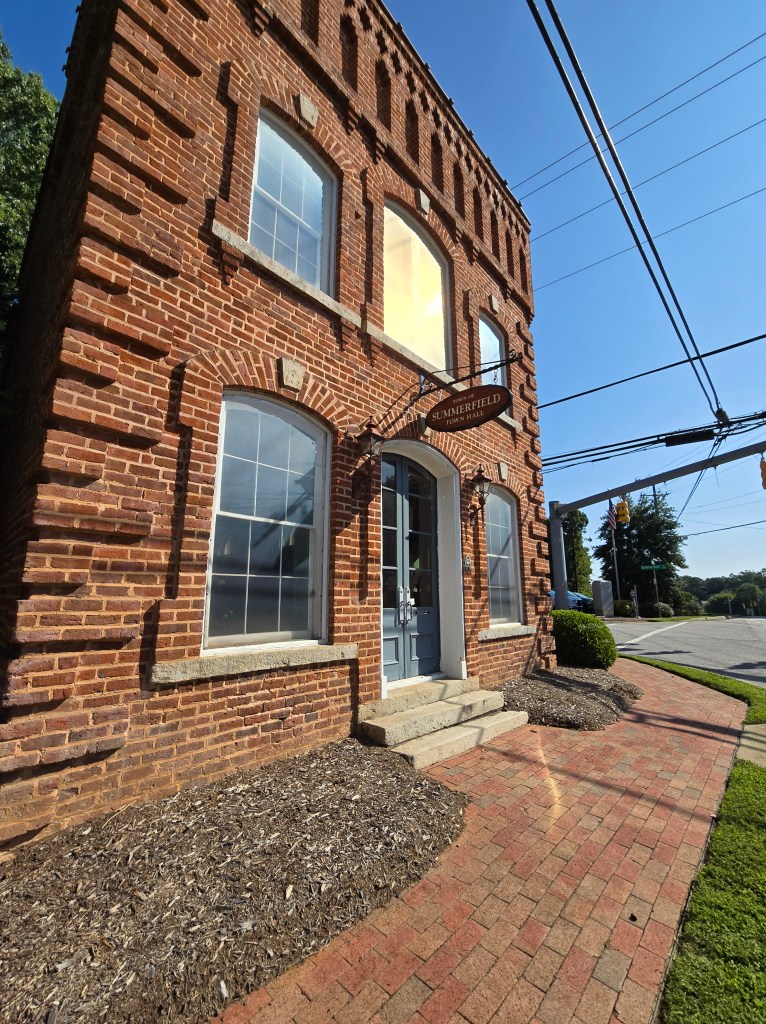
Summerfield was incorporated as a town in 1996 and has continued to grow and expand in all directions. The Brittain building, where people loved to gather around a pot-bellied stove to catch up on the local news, was donated to the town by Bill Parrish in 1996. It was restored and is used today as the Town Hall and a museum (4117 Oak Ridge Rd.).

Summerfield Farms
Located just 20 minutes north of downtown Greensboro, Summerfield Farms (3203 Pleasant Ridge Rd.) is a family-owned, working cattle farm and community gathering space. With weekly public community events, an on-site mobile bar, private venue rentals, produce and dry goods market, and luxury overnight lodging, Summerfield Farms offers a rural escape to relax and reconnect. All Summerfield Farms beef products, available for purchase online and in the Market, are 100% grass-fed, grass-finished, and AGA certified.

Oak Ridge
Until the late 1990s, the Oak Ridge area was mostly rural farmland with numerous tobacco farms. However, since its incorporation as a town in 1998, Oak Ridge has seen rapid growth in its population. Many of the area’s farms have been sold to developers and turned into upper-class housing developments, and several shopping centers have been built along the NC 68 corridor, especially at its intersection with Oak Ridge Road (NC 150), near the military academy. Each Easter weekend from 1945 to 2013, the community hosted a popular horse show.
Oak Ridge Military Academy
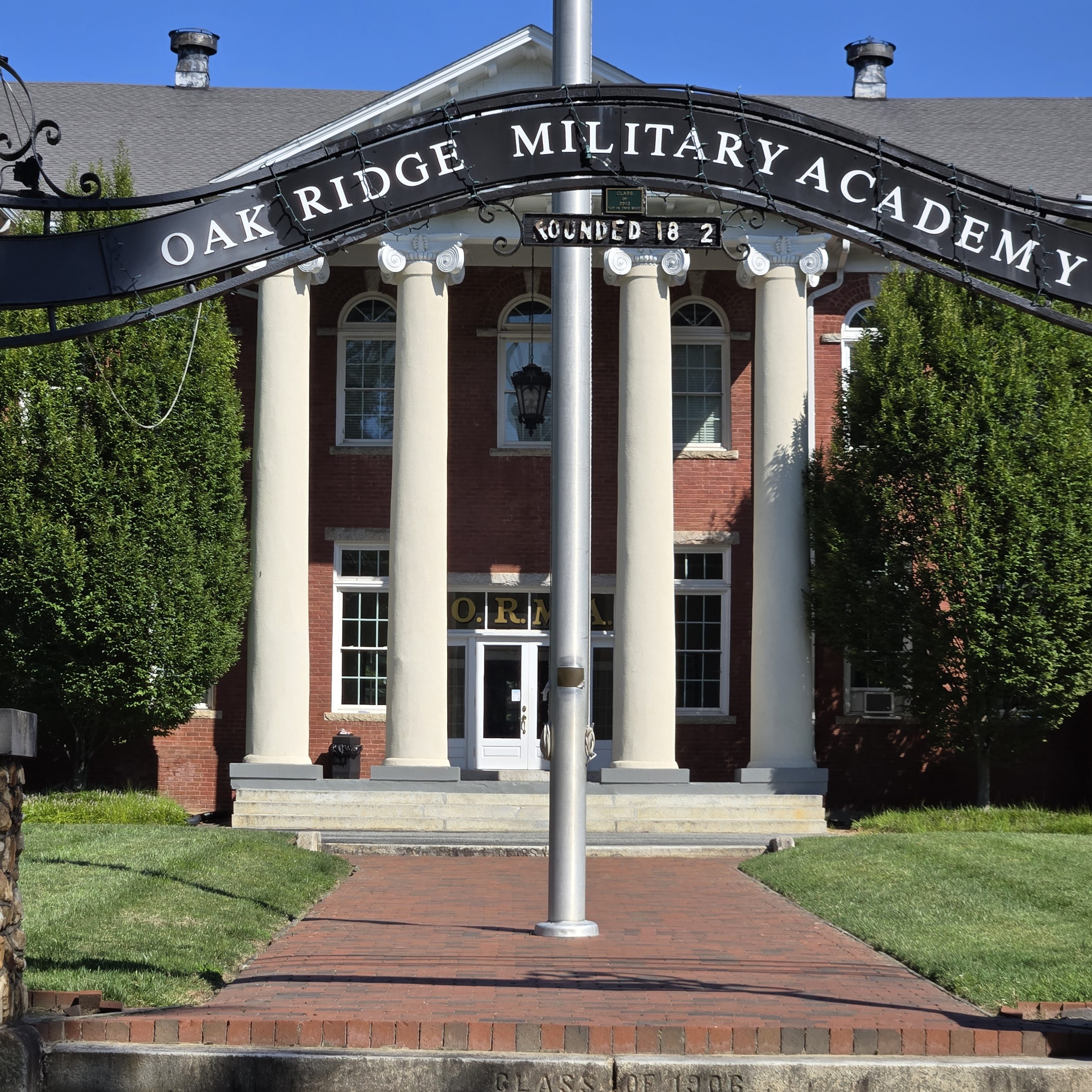
The town of Oak Ridge is home to Oak Ridge Military Academy, a private, co-educational, college-preparatory military boarding school. Founded in 1852, it is the third-oldest military school in the nation still in operation, and it is the official military school of North Carolina, as designated by the state legislature. Some famous students of the school include Dale Earnhardt Jr., NASCAR driver who attended the military academy prior to his racing career, and Kevin Harvick, also a NASCAR driver.
Old Mill of Guilford
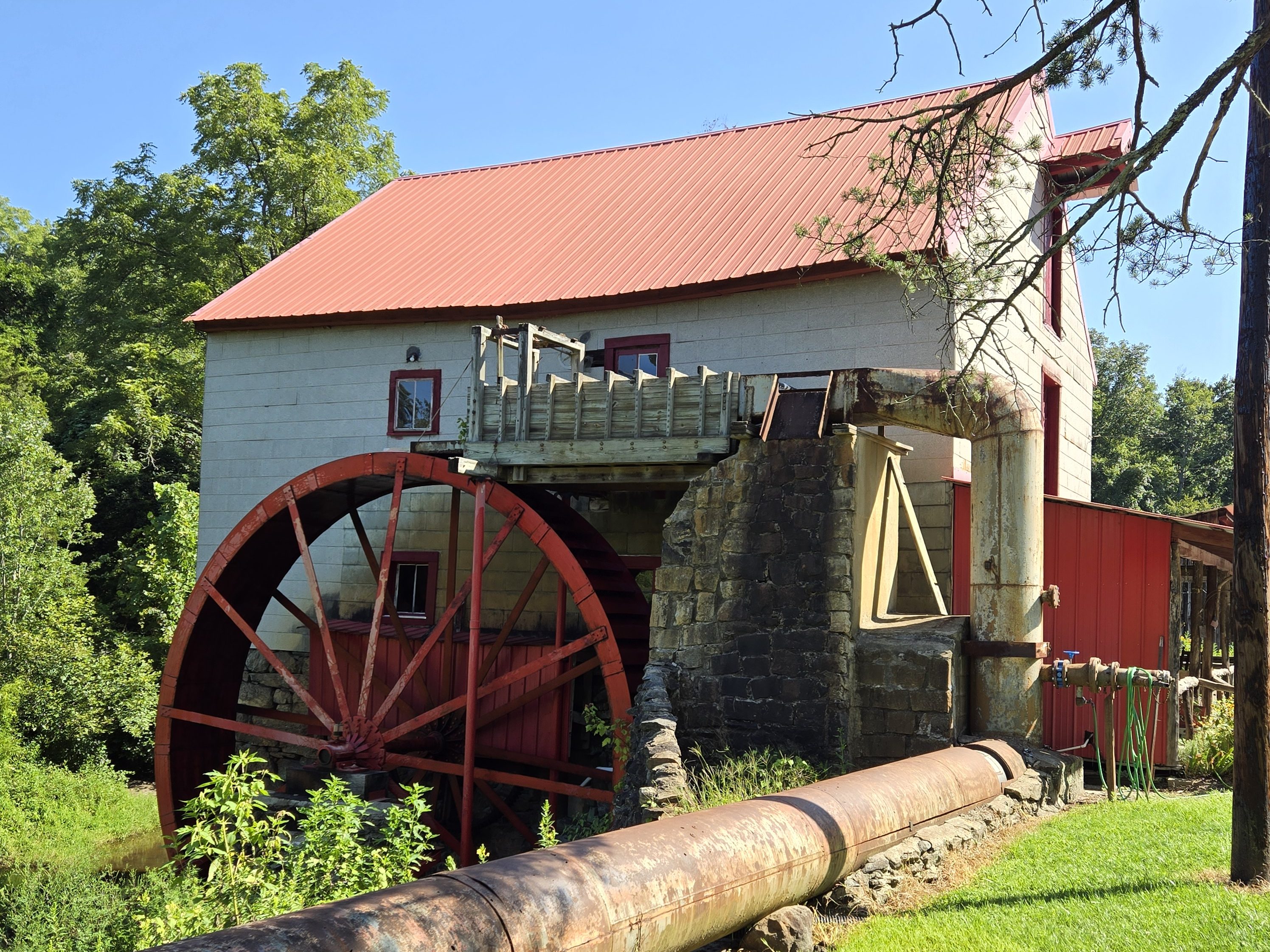
The Old Mill of Guilford is a favorite scenic stop for both locals and tourists. It is a fully operational, formerly water-powered, 18th century Grist Mill listed in the National Register of Historic Places. The Old Mill of Guilford was founded in North Carolina on Beaver Creek in 1767 to grind grain for the early settlers of what is now Guilford County. Today, the mill continues to produce all-natural, stone-ground, whole grain foods, just as it has for more than 240 years.
In 1767, before the colonists decided to seek independence from England, Daniel Dillon built a small tub mill in North Carolina on Beaver Creek, and went into business grinding grain for the early settlers. The Earl of Granville had granted Dillon the tract of 552 acres on Reedy Fork and Beaver Creeks in 1755.
On February 10, 1781, during the Revolutionary War, British troops under General Cornwallis marched past the mill in pursuit of General Greene who was encamped at Guilford Courthouse. Legend has it that British troops seized the mill to grind grain for the soldiers prior to the Battle of Guilford Courthouse on March 15, 1781.
The original tub mill and dwelling on 175 acres was sold to Joel Sanders for $900 in 1808. In 1819, Sanders moved the mill 500 feet down stream and built a new dam across the creek, which increased the millpond to 10 acres. The new mill was designed as a merchant corn and wheat mill with an overshot wheel to replace the small tub mill.
In 1913, the mill was purchased by K. L. Hendrix who later converted the mill to a roller mill and replaced the water wheel with a turbine. In 1932, state highway 68 was built between the dam and the mill. To keep the mill in operation, the long overhead wooden flume, which carried water from the dam to the mill, was replaced by a 26″ diameter steel pipe which ran under the new road. Clarence E. Bailes purchased the mill in 1954. Bailes removed the roller mill machinery and replaced the turbine with a 24’ x 4’ Fitz overshot water wheel, which still operates today.
A small addition was added to the side of the mill to serve as a sales office. Corn cleaners, bolters, and dust agriculture regulations were installed so that the mill could operate on a commercial basis. Lloyd Lucas became miller and operated the mill until his death in 1975, at which time the mill was closed. In 1976, C.E. Bailes sold the mill to James Flynt of Old Mill, Inc.
Old Mill Inc. was sold to Charles Parnell of Bailes Old Mill, LTD., in 1977. Mr Parnell renovated the mill, which had suffered from its two years of disuse and resumed its operation as a water-powered grist mill in keeping with its over 200-year tradition. Mr. Parnell married Heidi Brandt and together they ran the mill. With the help of volunteers, they developed a variety of new mixes and established a national reputation for quality products.
The water wheel was repaired in 2007, but the Parnells both died that year. Annie Laura Perdue became miller after many years of training under Charles Parnell. In 2008, Alice and Darrell Klug purchased the Old Mill of Guilford from Mrs. Parnell’s brothers, Hans and Alfred Brandt. Annie Laura Perdue remained the miller. Volunteers from the community assist in running the mill. The Klugs continue to introduce new products, maintain the historical integrity of the mill, and enhance the mill’s reputation for high-quality, natural stone-ground products.
Today, the Mill produces all natural corn meal, grits, and flour along with a wide range of mixes, including Gingerbread Mixes, Muffin Mixes, Pancake Mixes, Cookie Mixes, Scone Mixes, Biscuit Mixes, and Hushpuppy Mix. The Mill’s signature mix is the Sweet Potato Muffin. Visit the Old Mill Store for these products and other fine foods and crafts from North Carolina. You’ll also find products made by the Old Mill of Guilford throughout the area, and even at the coast.
The mill has also long been a favorite subject for artists and photographers alike. Please make plans to stop by and visit!
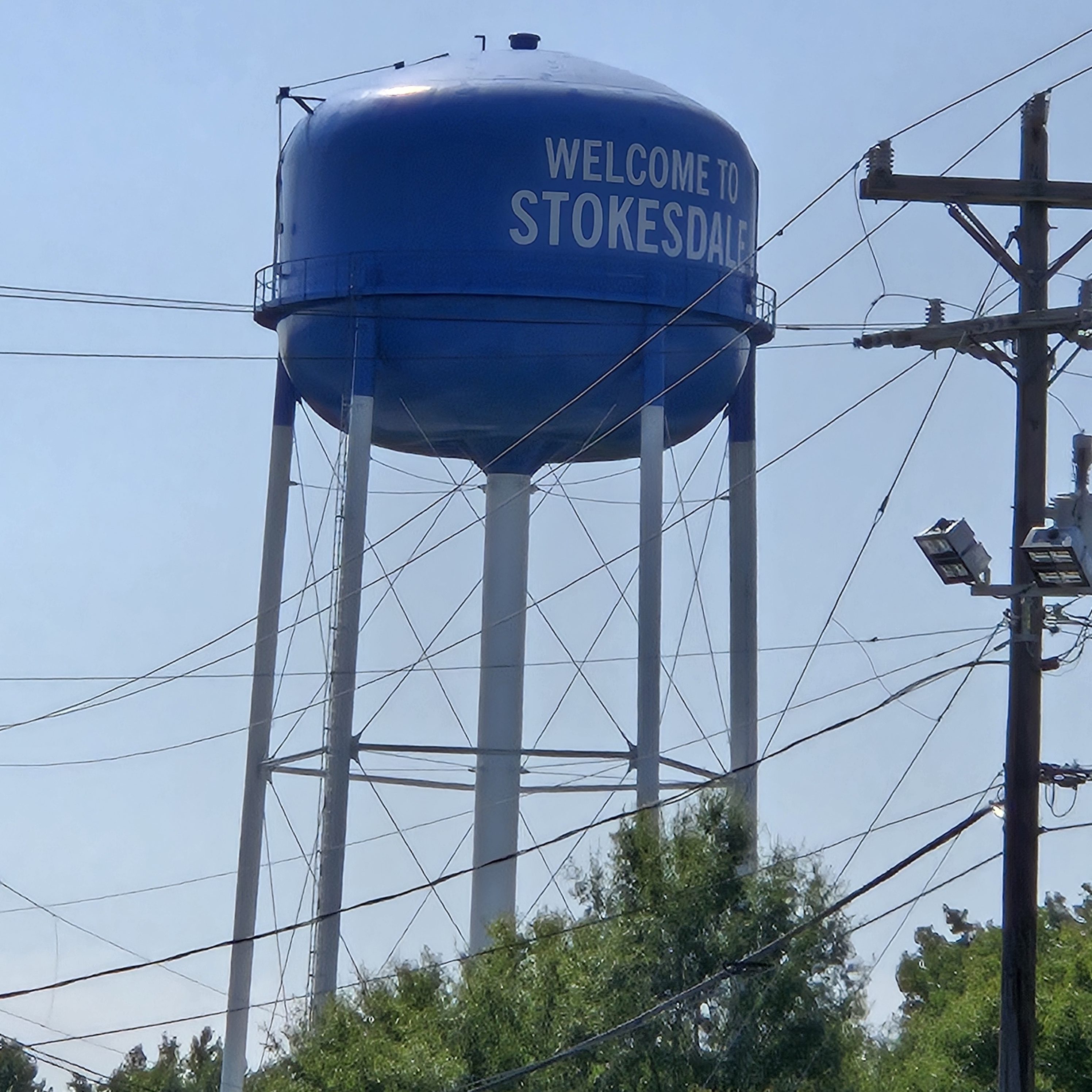
Stokesdale
Stokesdale, North Carolina, (incorporated in 1989) located in the northwest corner of Guilford County, is a rural community with a mixture of agricultural and farming areas, businesses, industries, and residential areas. The name Stokesdale was selected in honor of a Mr. Stokes who was either an executive of the railroad, a conductor on the train, or the surveyor who surveyed the area.
Back in the 1860s, before the era of automobiles and railroads, Stokesdale was called Green Pond. The name of Green Pond came into being because of a swampy pond located in the general area of what is now Ellisboro Road and Highway 65. In 1886, the Cape Fear and Yadkin Valley Railroad was built from Greensboro to Mount Airy.
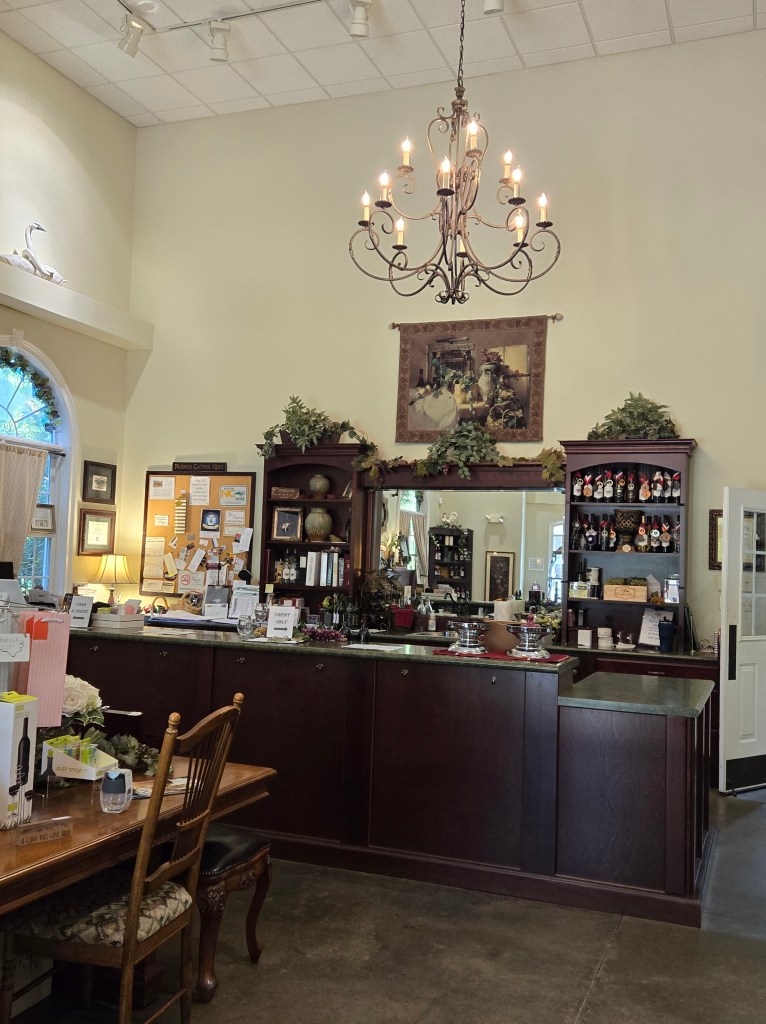
Stonefield Cellars
Stonefield Cellars (8220 NC-68) is a popular tasting spot for award-winning wines. The winery also hosts weddings, events, and live music nights as well. Guided tours are available, and you can also picnic in the gardens or relax on the patio with a glass of wine.
Browns Summit
The community of Browns Summit remains rural, consisting of wooded areas and a mixture of open meadows and rolling farmland. Jesse Brown acquired the land in the area in 1858 and established a farm. In 1863, the Richmond and Danville Railroad built a line through the area and named it Browns Summit, as Brown’s farm rested at the highest point of elevation on the line.
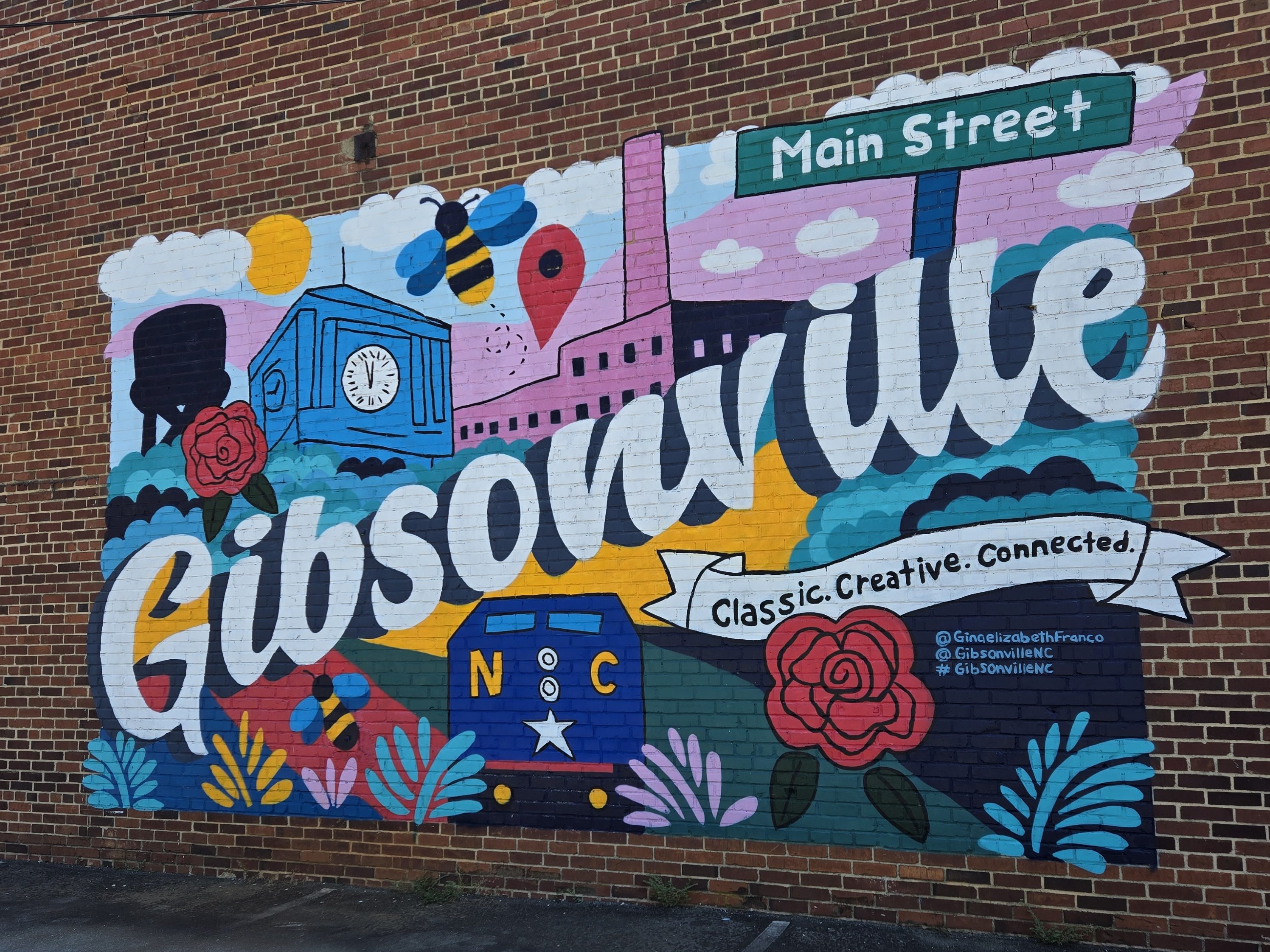
Gibsonville
Gibsonville (“City of Roses”) is a town in both Alamance and Guilford counties. Most of Gibsonville is situated in Guilford County and the eastern portion is in Alamance County. Joseph Gibson (1785-1857), whose father established farming and gold mining operations in Gibsonville as early as 1775, was a local farmer who provided grading services in 1851 for the newly formed North Carolina Railroad (NCRR) Company. Shortly afterwards Gibsonville began to emerge as a commerce center.
The first train arrived on October 9, 1855, and the depot was named Gibson Station in his honor. On February 18, 1871, the state legislature issued a charter officially establishing the Town of Gibsonville.
Gold mining played a minor role here when deposits were discovered on Gibson Hill (or Gold Hill) south of town in the early 1800s. In 1888, the Chifar Consolidated Gold Mine Company began crushing ore at a mine a half mile south of the depot in Gibsonville.
The Depot Greens served as a holding area for livestock and agricultural goods being shipped out on the railroad, which was the primary economic purpose of Gibsonville. In 1886, a local self-taught entrepreneurial mill builder, Berry Davidson, constructed the steam powered Minneola textile mill on Railroad Avenue. Subsequently, he built the Hiawatha textile mill on Eugene Street in 1893. Together, these mills transformed Gibsonville from an agricultural shipping station into a vibrant small town with an industrial base. When the mills closed in the 1980s, the town slowly transformed itself into a commuter residential community for the Burlington and Greensboro metro areas. Gibsonville has been known as the “City of Roses” since at least 1920, when train passengers could see the large number of rose bushes along the railroad tracks at the Minneola Mill.
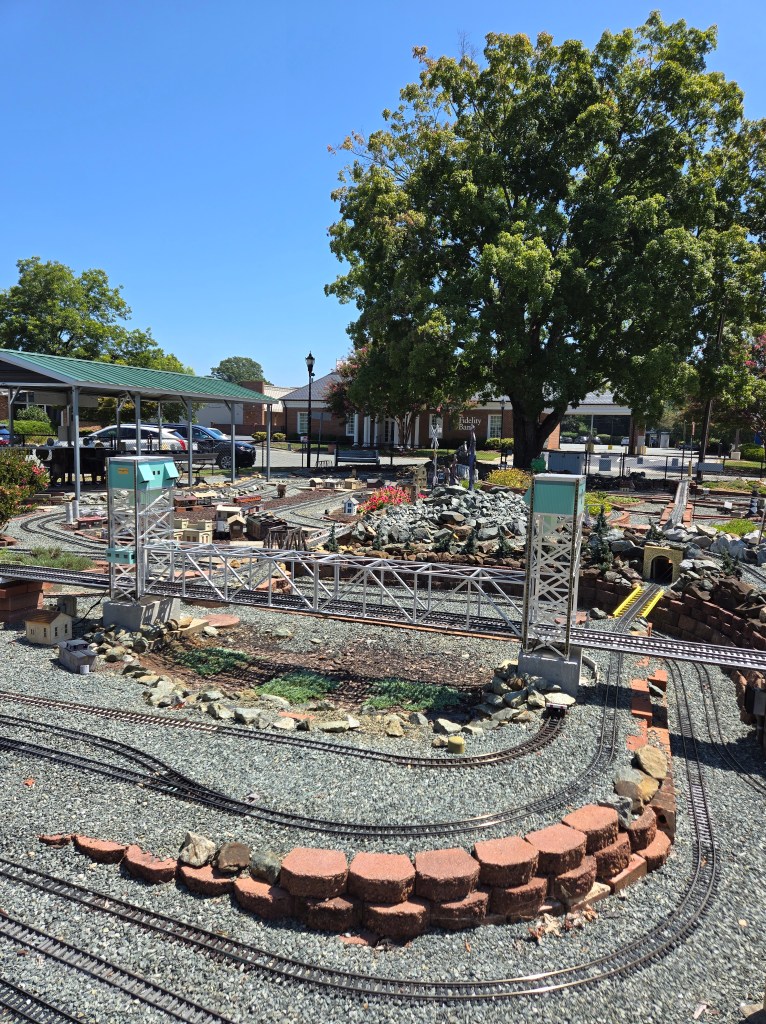
Gibsonville Garden Railway
The Gibsonville Garden Railway (200 E Main St.) is an outdoor train display running more than 2900 feet of G-scale train track with 22 trains running at one time. The Gibsonville Garden Railroad (GGRR) was founded in 1996 by Bobby Summers, a retired Freight Conductor on the Southern Railroad. The first trains ran on October 9, 1996, which coincides with the first train arriving at Gibson Station on October 9, 1855. The village buildings are arranged to represent Gibsonville in 1855 and 1922, so the Town Historic Walking Tour map can be used to understand the layout. The village covers all of North Carolina from Blowing Rock and Pilot Mountain to the Cape Hatteras Lighthouse. You’ll also find dioramas for Elon Homes, Elon College, Company Shops (Burlington), a gold mine, and tar making. You can see both Orville and Wilbur Wright flying and cable cars too, plus ride on the playground train. The trains and village are managed, maintained, and monitored by volunteers. The display is open every Saturday from April through November from 9:00 a.m. to noon, but you can stop and view the village any time.
Gibsonville Antiques & Collectibles
If you’re a history buff, antique lover, or collector of any sort, you’ll want to stop at Gibsonville Antiques & Collectibles (106 E. Railroad Ave.). The store features over 18,000 square feet of vintage items from assorted local vendors as well as furniture restoration services.
Whitsett
The Town of Whitsett is located in eastern Guilford County. The Town of Whitsett was incorporated July 13, 1991.

Red Oak Lager Haus & Biergarten
Boasted as America’s largest lager-only brewery, Red Oak Lager Haus & Biergarten (6905 Konica Dr.) is a must-stop place not only for the brew but also for the indoor bar area and outdoor seating among many sculpture and art pieces, music, and more. Red Oak Brewery, North Carolina’s oldest brewery, has been crafting beer since 1990. They brew unfiltered, unpasteurized lagers, staying true to the roots with pure and simple beer. They follow the 1516 Bavarian Purity Law, using only the finest water, malted barley, hops, and yeast. The facility also hosts periodic food trucks and events — and you can schedule your own event here as well. Call ahead to book a tour, if you like. They also recently added the Griffith Fine Art Museum!
Sedalia
Incorporated in August 1997, the Town of Sedalia lies between the urban centers of Burlington and Greensboro. Mr. R. B. Andrews owned and operated a little country store and in the back of that store was the post office. People would gather in the store to pick up mail and gather for news. Mr. Andrews, the Postmaster, chose the name “Sedalia” for the community.
In 1901, an 18 year-old woman named Charlotte Hawkins came to the community. She came to teach rural African-American youth at Bethany Institute in Sedalia, now known as Bethany Community Church. In 1902, after vigorously raising money in New England, Charlotte Hawkins founded the Palmer Memorial Institute, a day and boarding school. She established the school in a converted blacksmith’s shop and named it in honor of Alice Freeman Palmer, her mentor and benefactor. In 1911, she married Edward S. Brown, a student at Harvard.
In its early years, Palmer’s curriculum emphasized agricultural and industrial education for rural living. Brown expanded the school to more than 350 acres, including a sizable farm. As years passed, the school’s academic importance and its emphasis on cultural education increased. During her 50-year presidency, more than one thousand students graduated. They gained not only diplomas but also firm ideas of their own worth. Dr. Brown served Palmer Memorial for all those years, and 10 years after her death in 1961, the school closed.
In 1983, the General Assembly appropriated funds to institute plans to renovate and restore Palmer to its original state. The Charlotte Hawkins Brown Museum at former Historic Palmer Memorial Institute is located in the heart of Sedalia on Burlington Road (Highway 70).

Charlotte Hawkins Brown Museum & State Historic Site
The Charlotte Hawkins Brown Museum & State Historic Site (6136 Burlington Rd) is a North Carolina State Historic Site. As the historic campus of Palmer Memorial Institute (founded in 1902), it is also North Carolina’s first historic site dedicated to African American history. Start at the welcome center, then tour the grounds, which include 13 other stops: Kimball Hall, a dormitory, a tea house, the Teacher’s Cottage, and the Charlotte Hawkins Brown gravesite and memorial. Admission is free, and donations are accepted.
Jamestown
As early as 1701, the Keyauwee people were living in a village in the Jamestown region. By the late 18th century, European settlers came to Jamestown. Many were Quaker families who moved to the area from Pennsylvania in search of productive farmland. Among the original settlers was James Mendenhall, who established a farmstead near present-day Jamestown in 1752. Though Mendenhall moved to Georgia in 1775, his son George remained and, by 1816, he founded the village of Jamestown in honor of his father.
The Mendenhall family, who owned and operated the area’s first grist and lumber mills, also owned much of the town’s original land. Today, High Point City Lake is situated where the original family farmhouse and land was located. In 1781, during the Revolutionary War, British General Cornwallis’ army camped near the settlement and commandeered provisions from local farms and mills prior to his engagement with Nathanael Greene’s troops at New Garden, in modern-day Greensboro.
By 1800, Jamestown was a bustling settlement of 150 residents with its own post office, inn, and Freemasons’ lodge. Around this same time, gold was discovered near Jamestown, and several mines profited until the California Gold Rush frenzy shut down local efforts. In 1811, James Mendenhall’s son Richard, a local tanner, built the Mendenhall Plantation homestead, a highlight of any tour of Jamestown today.
In addition to farming and related industries, Jamestown was home to a gun factory, which manufactured a sturdy and accurate muzzle-loading gun known as the “Jamestown Rifle”, the mainstay of Jamestown’s industry through the latter half of the 19th century and a highly prized collectible among gun enthusiasts today.
During the Civil War, Jamestown’s Quakers, who opposed war and violence, attempted to remain neutral. However, the Confederacy demanded that those who were able to make shoes, uniforms, or weapons continue to do so or pay heavy taxes. Records indicate that Confederate President Jefferson Davis and his entourage passed through Jamestown during their hasty retreat to the south after the Civil War ended.
Prior to the war, Jamestown was a known “stop” along the Underground Railroad, which helped fugitive slaves reach freedom in the North. According to local historical records, many Quaker homes in this area had a trap door leading to the basement to help slaves escape. Further, according to records, the Mendenhall and Beard families were instrumental in assisting in emancipation efforts.
Downtown Jamestown
Downtown Jamestown is a vibrant, evolving, and eclectic area that has transformed from a regional retail hub to a mixed-use center. It features a mix of residential, commercial, and cultural spaces, including small retail enterprises, restaurants, and cultural attractions. The area is known for its cultural and entertainment anchors, contributing to its reemergence as a small, bustling downtown.
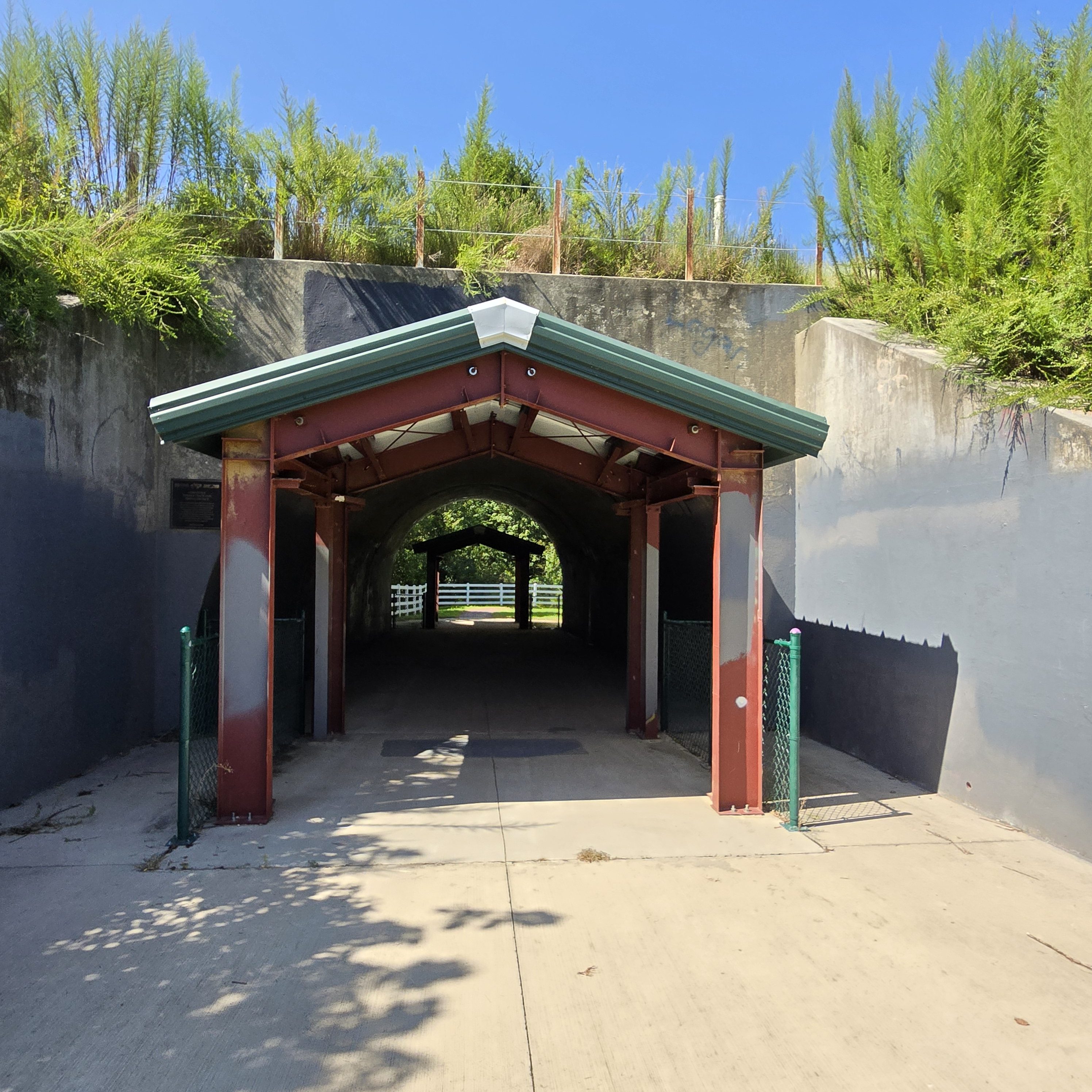
Photographed above is the famous — or infamous — Lydia’s Bridge. It is said that the ghost of the forlorn young Lydia haunts this bridge at night. When there used to be a round passing under this bridge, occasional drivers would claim to see her ghost. The road was eventually moved alongside of the bridge and the area became overgrown with brush. But that didn’t stop people from jumping the fence to explore. Today, the bridge has been restored and there is a walking path to the bridge coming from both directions. No word if Lydia is still seen in this area…
City Lake Park
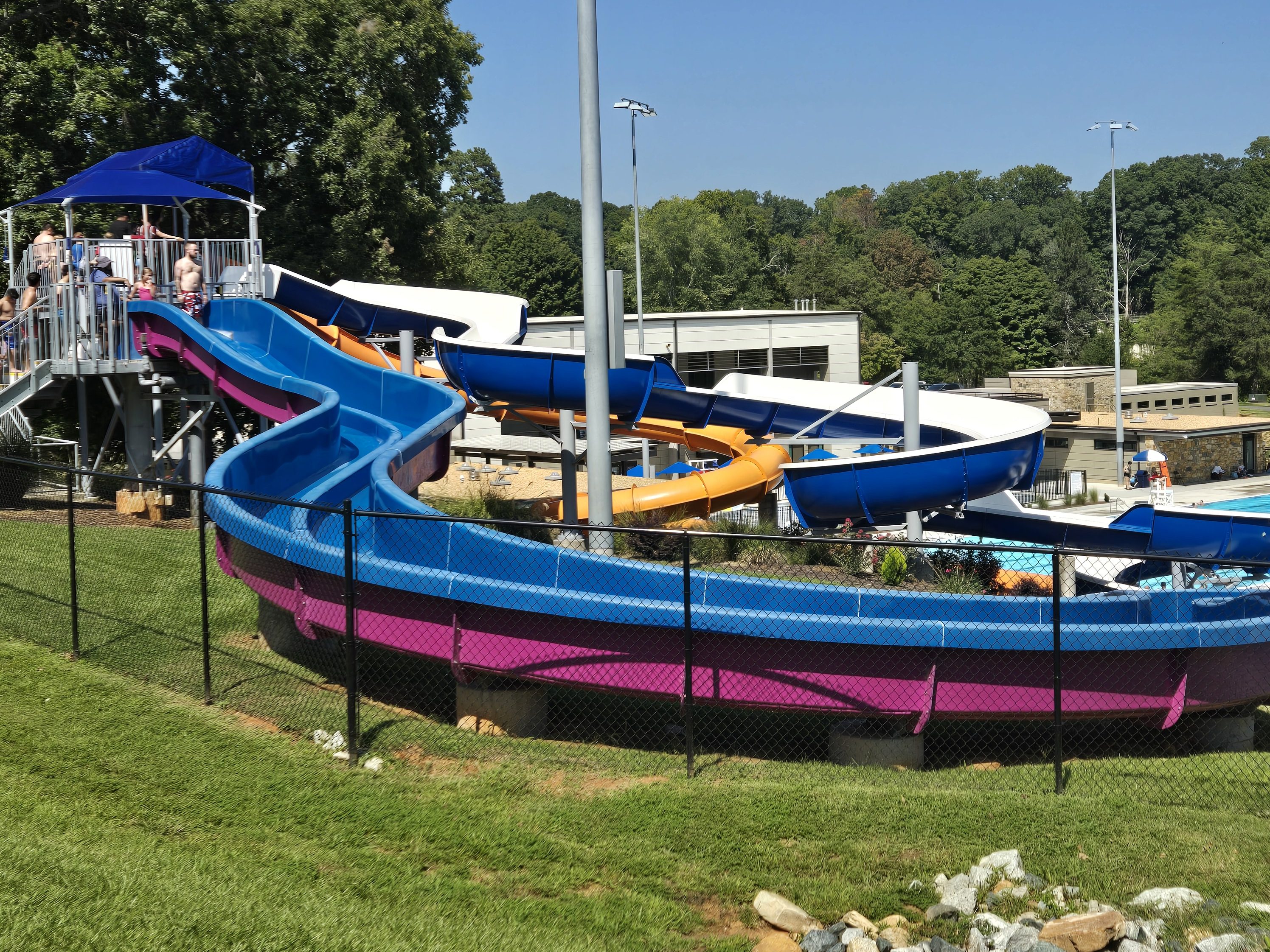
High Point City Lake Park (602 West Main St., Jamestown) offers many family-friendly activities: a merry-go-round ride, train ride, 20-passenger excursion boat ride, kayak, canoe, paddle boards, and more. You’ll also find a marina, fishing pier, aquatic center, playground, and miniature golf course, plus a meeting and event center, picnic shelters, tables, grills and concession stands.

Mendenhall Homeplace
Directly across from City Lake Park, you’ll find Mendenhall Homeplace (603 West Main St.). The Richard Mendenhall farmhouse was built in 1811, and consists of a two-story, brick main block of plain typically Quaker design, with a porch on three sides and a number of additions to the west and rear. Also on the property is a large early Red Bank Barn of the Pennsylvania German type, Underground Railroad False Bottom Wagon, One Room School House, Dr. Madison Lindsay’s House, Museum, Thy Store, and a Well House. Check for varied open hours and tour times at different times of year.
Castle McCulloch
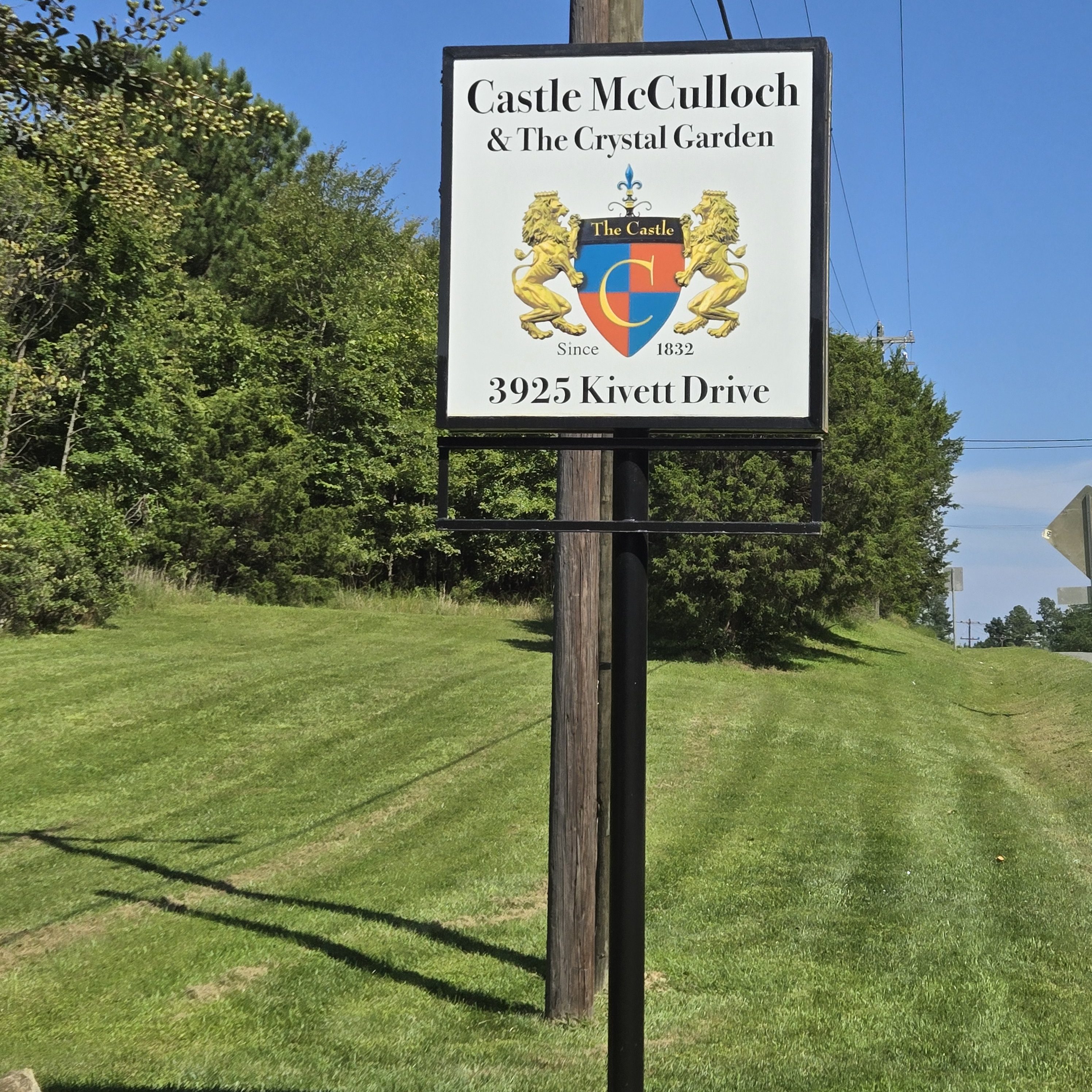
The Castle McCulloch Gold Mill (3925 Kivett Dr.) is a restored gold refinery in Jamestown listed on the National Register of Historic Places. Built by Charles McCulloch, a Cornish engineer who brought the new steam engine technology to North Carolina from England, the structure was completed in 1823 and restored in the early 1980s. It is a granite castle, complete with drawbridge, moat, and 70-foot tower. Using locally quarried granite, McCulloch and stonemason Elizier Kersey created a Cornish Rock Engine House for the refining of gold ore, with a “Walking Beam” steam engine that powered Chilean mill ore crushers.
After years of ownership within the McCulloch family, the site passed through several hands and fell into disrepair before being bought and rebuilt by Richard Harris during the mid-1980s. It is maintained by the McCulloch Foundation. The site is popular for such occasions as weddings, receptions, and corporate events. In 1997, the Crystal Garden was built nearby, with Victorian-style beveled glass walls, a crystal chandelier, and a veranda with a view across a lake to the castle. The gold mill-which operated on the grounds of the castle for its first three decades once offered gem and gold panning, historical tours, and rock quarry visits. The castle may currently be in foreclosure, so its future operations are questionable at this moment.

Kersey Valley Attractions
If you’re looking for a day of grown-up and kid fun and entertainment, Kersey Valley Attractions (1615 Kersey Valley Rd.) is the place to be. In operation since 1986, the facility has grown from its original makeshift haunted attraction to the now-famous, acres-large Spookywoods, one of the country’s top haunted attractions year after year. Beyond Halloween, KV also hosts year-round experiential entertainment, including indoor and outdoor axe throwing, zip lining, laser tag, high-tech escape rooms, bomb bowling, and more. KV also hosts other family-friendly seasonal attractions: Maize Adventure and Kersey Valley Christmas. (Having known the owners for about 30 years, I can attest that no expense is spared for the guest experience and guest safety.) Kersey Valley Attractions and the Castle McCulloch are just a few minutes from one another.

Furnitureland South & The World’s Largest Chest of Drawers
Furnitureland South (5635 Riverdale Dr.) is the biggest furniture store in the USA and potentially the world with 1.3 million square feet of showroom space filled with furniture and decor of all styles. Since 1969, Furnitureland South has been a one-stop-shop for all things home décor, including the Mart, the Showroom, and the Outlet. The property also contains an 85-foot-tall highboy — the world’s largest chest of drawers!
High Point
High Point is North Carolina’s only city that extends into four counties. Major industries in High Point include furniture, textiles, and bus manufacturing. The city’s official slogan is “North Carolina’s International City” or “The Furniture Capital” due to the semi-annual High Point Furniture Market that attracts up to 100,000+ exhibitors and buyers from around the world (in April and September). It is also home to High Point University, a private and affluent Methodist-affiliated institution founded in 1924.
High Point was at the highest point of the 1856 North Carolina Railroad between Charlotte and Goldsboro, where it intersected the 1852 Great Western Plank Road. Its central location and transportation allowed for the delivery of raw materials like cotton and lumber as well as import and export of processed goods, contributing to its early growth. High Point was settled by Europeans, including English Quakers and German immigrants, before 1750, but was not incorporated until 1859. Before it became a major manufacturing center, the most important industries were tobacco, woodworking, and textiles.
The High Point Market is the largest home furnishings industry trade show in the world, with more than 11 million square feet and about 2,000 exhibitors throughout about 180 buildings. The market holds two major shows each year, and attracts between 70,000 and 100,000 attendees. A 2018 Duke University study showed that the market contributes approximately $6.7 billion to the area’s economy. Many of the buildings and showrooms are only used a few weeks each year, during the two international furniture and accessories markets.
Notable people from the High Point area include…
- Fantasia Barrino, Grammy Award-winning singer and season 3 winner of American Idol
- Dave Blaney, NASCAR driver
- Ryan Blaney, NASCAR driver
- John Coltrane, jazz saxophonist, was born in Hamlet and moved to High Point shortly after birth, remained through high school
- Bill Davis, owner of Bill Davis Racing of NASCAR
- Perley A. Thomas, founder of Thomas Built Buses
- Maxwell Thurman, U.S. Army general who helped develop the longtime “Be All You Can Be” Army recruitment campaign
Downtown High Point
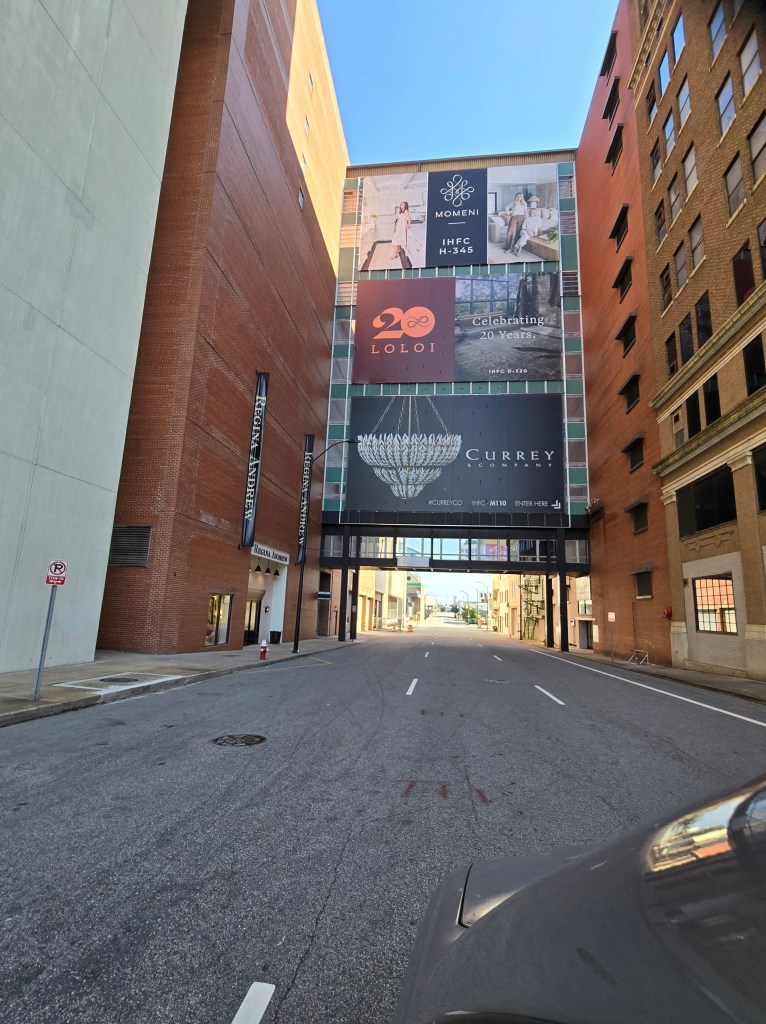
A walk through the downtown area of High Point is a who’s who tour among furniture manufacturers. You’ll find a variety of architecturally impressive furniture showroom buildings, including the boat building and Showplace as well as the massive, blocks-long and stories-tall International Home Furnishings Center (IHFC). Note that the general public is not allowed entry to these buildings at any time of year, and most of these buildings are largely unused for most of the year. The semi-annual Furniture Market (and premarket) occurs every April and September, attracting furniture buyers from more than 90 countries. At these times of year, you’ll find the city super bustling, with tons of activity as well as indoor and outdoor ticket-only events for market attendees.
High Point Museum and Historical Park
The High Point Museum (1859 East Lexington Ave.) is the perfect place to explore High Point’s history, including 37,000+ artifacts and four historic buildings on the property. Of note, you’ll find jazz musician John Coltrane’s piano, a Thomas Built school bus, a blacksmith shop, little red school house, and documentation of the area’s history in the furniture industry. Admission is free to tour the museums and the historical park.
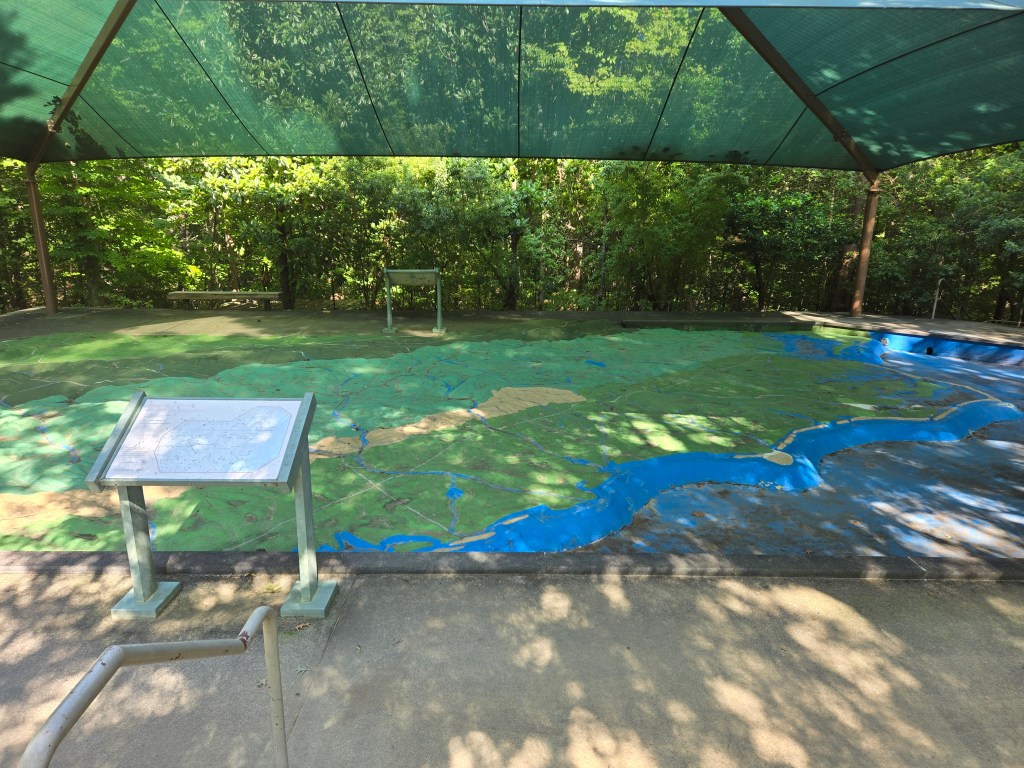
Piedmont Environmental Center
The Piedmont Environmental Center (1220 Penny Rd.) boasts 11 miles of trails on a 376-acre nature preserve. Nature-based classes and programs are available for both children and adults. Pictured above is an interactive topographical map of North Carolina.
Museum of Old Domestic Life
Immerse yourself in this 19th-century historic Quaker meeting house built in 1858. At the Museum of Old Domestic Life (555 East Springfield Rd.), you will find that this hidden gem of High Point is filled with detailed depictions of cloth making, shoe cobbling, cooking, farming and more. Learn about the everyday necessities utilized by the Quaker community during this rural time period. One of the things which makes the museum special is that it’s a “hands on” place, as you can touch and handle most of the items on display. Visitation is by appointment only. Because the Museum has no HVAC system, the best time to visit is in the spring, summer or fall; there is no heat in the building, so wrap up warmly if you visit during December-February.
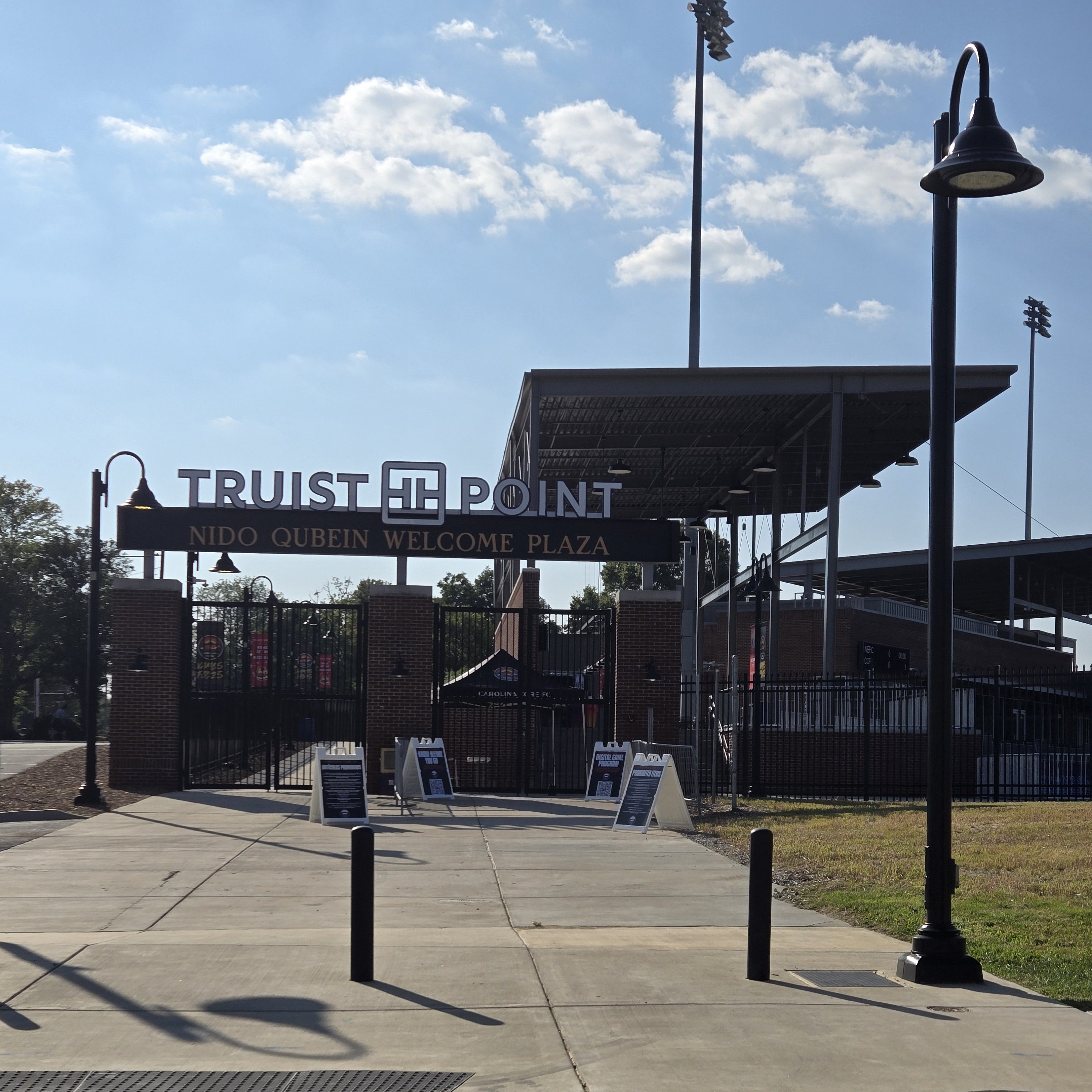
High Point Rockers Stadium
The High Point Rockers has been in operation since its inaugural game in May of 2019. The Rockers are an American professional minor-league baseball team based at Truist Point ballpark (301 North Elm St.). The team was formed when the Bridgeport (Connecticut) Bluefish moved its team to High Point after their home stadium of 20 years closed in 2017 to become a music amphitheater. Ground was officially broken in High Point on April 11, 2018. When at the stadium, be sure to stop by the neighboring Stock & Grain food hall for a variety of local food purveyors (no chain restaurants).
P.S. The brisket is melt-in-your-mouth a-mazing!
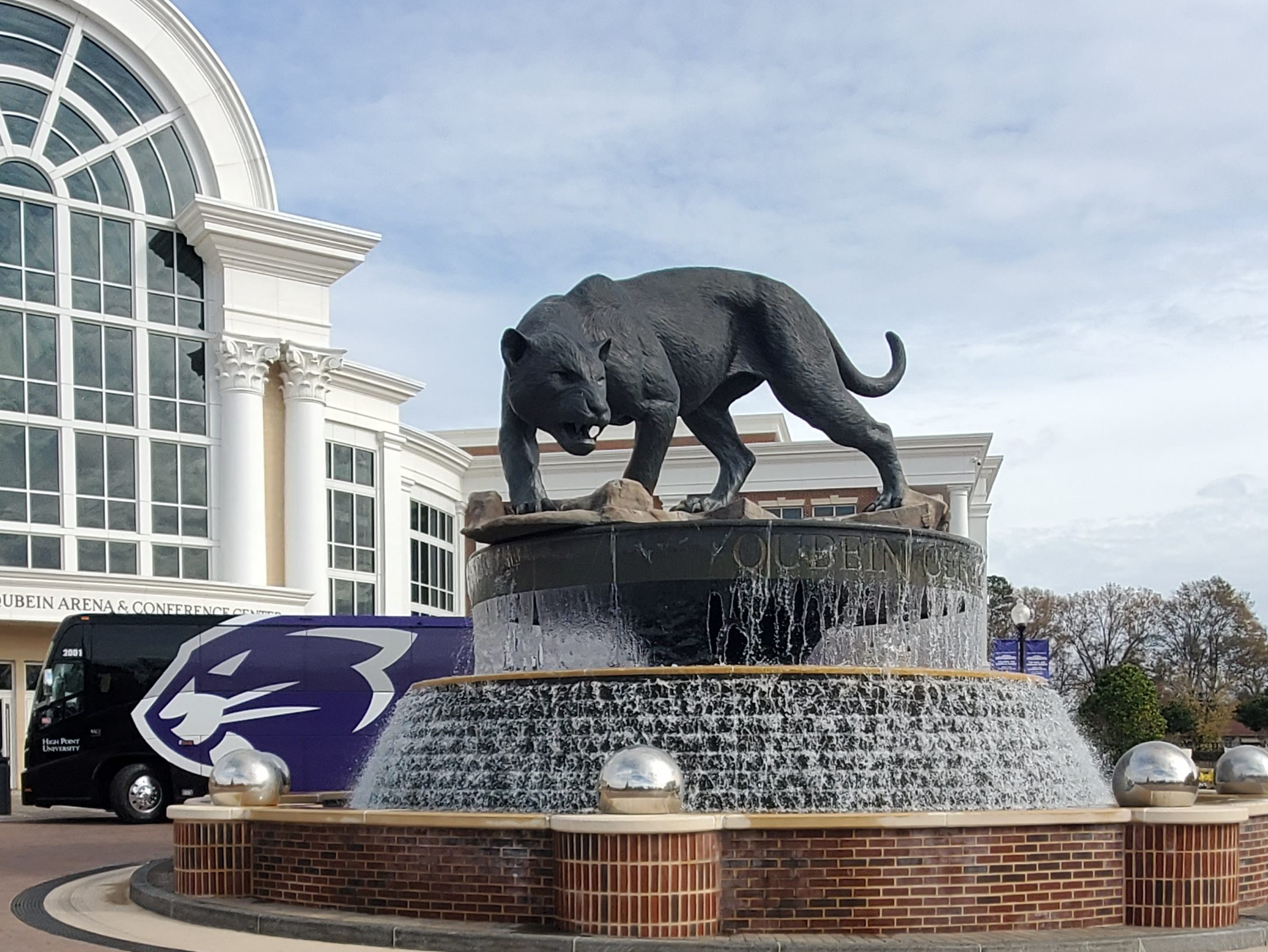
High Point University (HPU)
High Point University (One University Parkway) is considered by many to be a taj mahal of university campuses. The University has a wide and ever-expanding footprint in High Point, even purchasing the nearby Oak Hollow Mall. Visitors can explore the campus, attend cultural events, and even take guided tours. The public can visit the gardens, take a campus walking tour, or attend various cultural events, including musical performances, art displays, and guest speakers.
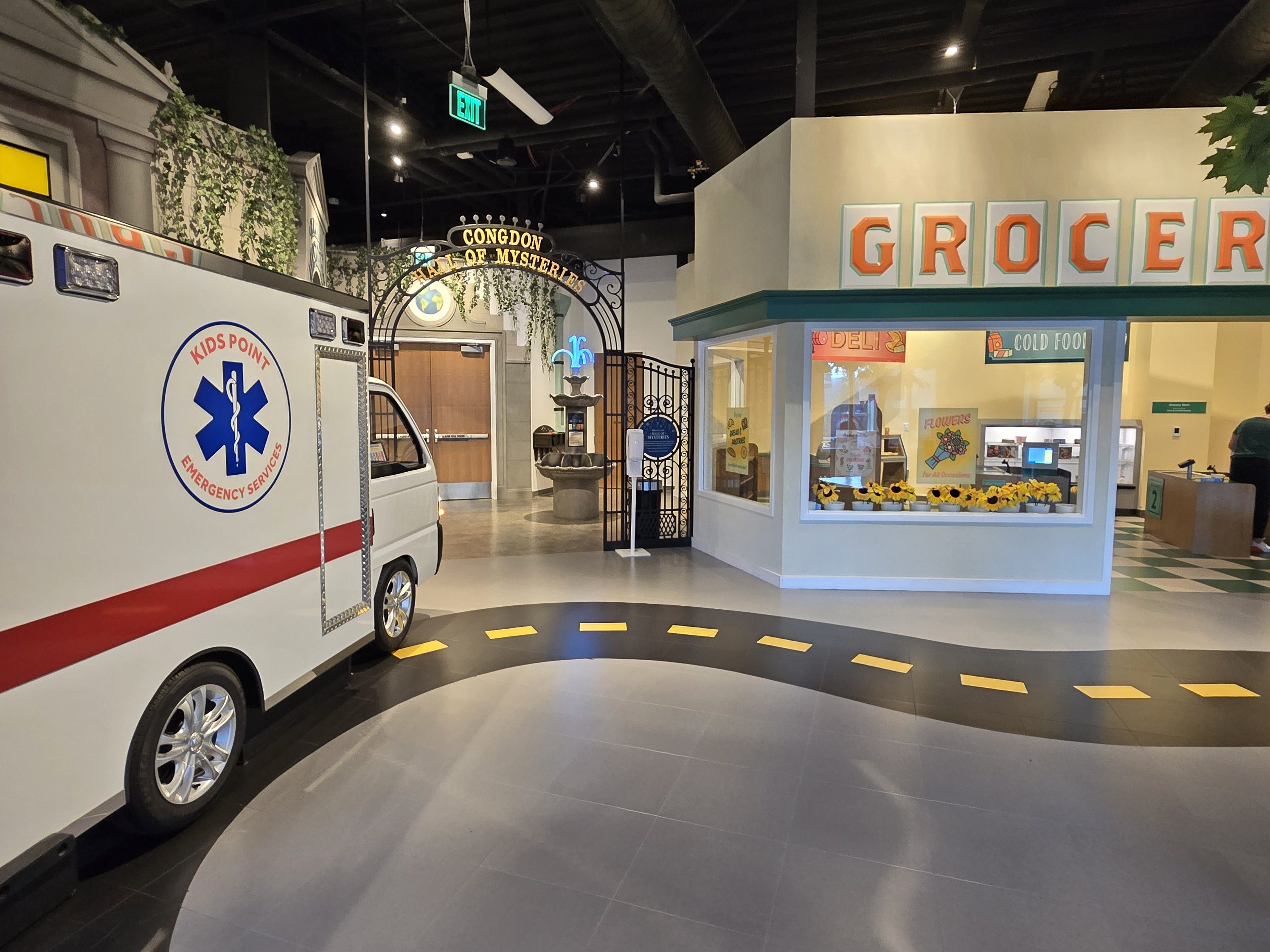
Nido & Mariana Qubein Children’s Museum
The Nido & Mariana Qubein Children’s Museum (200 Qubein Avenue) is one of the children’s museums this blogger has seen. Nido Qubein is the president of High Point University, and he has made a huge impact in this area, expanding well beyond the University’s enormous footprint. The children’s museum provides two floors (75,000 square feet) of entertainment and experiential, interactive, hands-on fun and learning for kids.

High Point Train Depot
Built in 1907 and once the pivotal location for arriving families and WWII soldiers, High Points historic train depot (100 West High Ave.) is one of the city’s best-known landmarks. With a complete restoration in 2003, this modern Amtrak stations maintains every bit of its original architectural charm. Trains pass through regularly throughout the day.

John Coltrane Statue
The John Coltrane Statue is an 8-foot tall bronze tribute to one of High Point’s most acclaimed citizens, alumnus of William Penn High School, and legendary jazz saxophonist John Coltrane. The statue can be found at the corner of Commerce Avenue and Hamilton Street, in downtown High Point next to High Point Theatre. Coltrane is best known for his work with famed trumpeter Miles Davis and pianist Thelonious Monk.
All-a-Flutter Farms
All-A-Flutter Farms is an agritourism farm and plant nursery (7850 Clinard Farms Rd.) promoting the education, conservation, and habitat restoration of the monarch butterfly. The farm is mainly a field trip facility for large school groups but they also hold family and smaller group days as well. Both adults and kids will enjoy the interactive demonstration, then have time in the Flight House surrounded by hundreds of monarchs. All-A-Flutter Farms is the only facility that encourages hand feeding of the butterflies to provide an up-close experience. You are also welcome to utilize the picnic and playground areas, walk the nature trail, feed the farm’s goats, and browse their selection of perennial plants cultivated in the farm’s nursery. Each plant variety grown on the farm has a purpose for pollinators, providing not only aesthetic beauty, but a sustainable host and/or nectar source for generations of pollinators in your own back yard. At certain times of year, you can purchase a monarch chrysalis to take home with you, watch the monarch butterfly emerge, and release it into the wild.
Colfax
Colfax is a small unincorporated community and is a suburb of Greensboro and High Point. Its main attraction is the Robert G. Shaw Piedmont Triad Farmers Market (2914 Sandy Ridge Rd.), where people shop for fresh food from local farmers. It is also the location of one of 15 Piano and Organ Distributors, one of the largest piano sellers in the country.
In 2000, the community attempted to incorporate, but failed after a joint commission found that the proposed limits were not sufficient for incorporation under North Carolina law, lacking under the population density requirement. On June 30, 2008, the city of Greensboro annexed the main part of Colfax into the city limits and in 2010, the City of High Point annexed Southern portions of the area, though some of Colfax is still unincorporated.
Colfax was home to the Colfax Persimmon Festival, which held its 14th and final annual event in October 2021. The gathering was held on a historic farm on N. Bunker Hill Road, north of the main road through town.
Triad Park
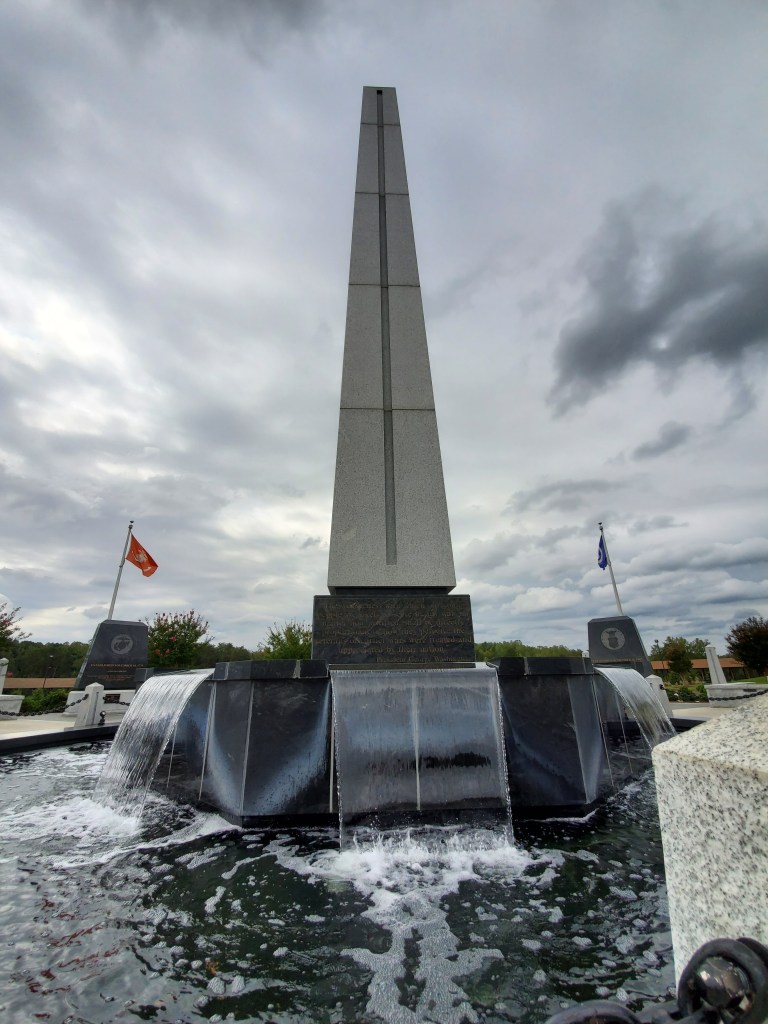
Triad Park (9652 West Market St.), which splits the border between Guilford County and Forsyth County, is a popular destination for outdoor activities and gatherings. You’ll find many miles of walking trails surrounded by native plantings in this 6,000-acre park. Triad Park is also home to the Carolina Field of Honor, a veterans memorial park honoring all branches of the military, including a water fountain surrounding a large obelisk sculpture.
Next stop… Duplin County!
 Portable NC