

Raleigh is the second-largest city in North Carolina by population, fifth-largest by size, the 10th-most populous city in the Southeast, the 41st-most populous city in the U.S., and the largest city of the Research Triangle metro area. Raleigh is known as the “City of Oaks” for its many oak trees, which line the streets in the heart of the city. The city of Raleigh is named after Sir Walter Raleigh, who established the now-lost Roanoke Colony in present-day Dare County.
Raleigh is home to North Carolina State University (NC State or NCSU) and is part of the Research Triangle together with Durham (home of Duke University and North Carolina Central University) and Chapel Hill (home of the University of North Carolina at Chapel Hill). The name of the Research Triangle (often shortened to “The Triangle”) originated after the 1959 creation of Research Triangle Park (RTP), located in Durham and Wake counties, among the three cities and universities, encompassing the Raleigh-Durham-Cary, NC Combined Statistical Area.
Most of Raleigh is located within Wake County, with a small portion extending into Durham County. The towns of Apex, Cary, Clayton, Fuquay-Varina, Garner, Holly Springs, Knightdale, Morrisville, Rolesville, Wake Forest, Wendell, and Zebulon are some of Raleigh’s primary nearby suburbs and satellite towns.
Raleigh is an early example in the United States of a planned city. Following the American Revolutionary War when the U.S. gained independence, the area was chosen as the site of the state capital in 1788 and incorporated in 1792. The city was originally laid out in a grid pattern with the North Carolina State Capitol at the center, in Union Square. During the American Civil War, the city was spared from any significant battle. It fell to the Union in the closing days of the war and struggled with the economic hardships in the postwar period, related to the reconstitution of labor markets, over-reliance on agriculture, and the social unrest of the Reconstruction Era. The establishment of the Research Triangle Park (RTP) in 1959 helped create tens of thousands of jobs in the fields of science and technology. By the early 21st century, Raleigh had become one of the fastest-growing cities in the United States.
On January 5, 1771, the bill creating Wake County was passed in the General Assembly. The county was formed from portions of Cumberland, Orange, and Johnston counties, and was named for Margaret Wake Tryon, the wife of Governor William Tryon.
The first county seat was Bloomsbury. New Bern, a port town on the Neuse River 35 miles from the Atlantic Ocean, was the largest city and the capital of North Carolina during the American Revolution. When the British Army laid siege to the city, that site could no longer be used as the capital. From 1789 to 1794, when Raleigh was being built, Fayetteville served as the state capital.
Raleigh was chosen as the site of the new capital in 1788, as its central location protected it from attacks from the coast. It was officially established in 1792 as both county seat and state capital. The city was incorporated on December 31, 1792, and a charter granted January 21, 1795.
In 1831, a fire destroyed the North Carolina State House. Two years later, reconstruction began with quarried gneiss being delivered by the first railroad in the state. Raleigh celebrated the completion of the new State Capitol and new Raleigh & Gaston Railroad Company in 1840. In 1853, the first State Fair was held near Raleigh. And Raleigh’s Historic Oakwood contains many houses from the 19th century that are still in good condition.
In 1880, the newspapers News and Observer combined to form The News & Observer. It continues today to be Raleigh’s primary daily newspaper. The North Carolina College of Agriculture and Mechanic Arts, now known as North Carolina State University, was founded as a land-grant college in 1887.
In 1912, Bloomsbury Park opened, featuring a popular carousel ride. Relocated to Pullen Park, the Pullen Park Carousel is still operating.
From 1914 to 1917, an influenza epidemic killed 288 people in Raleigh.
In 1922, WLAC signed on as the city’s first radio station, but lasted only two years. WFBQ signed on in 1924 and became WPTF in 1927. It is now Raleigh’s oldest continuous radio broadcaster.
During the difficult 1930s of the Great Depression, government at all levels was integral to creating jobs. The city provided recreational and educational programs, and hired people for public works projects. In 1932, Raleigh Memorial Auditorium was dedicated. The North Carolina Symphony, founded the same year, performed in its new home. In 1939, the State General Assembly chartered the Raleigh-Durham Aeronautical Authority to build a larger airport between Raleigh and Durham, with the first flight occurring in 1943.
Raleigh experienced significant damage from Hurricane Hazel in 1954.
With the opening of the Research Triangle Park in 1959, Raleigh began to experience a population increase, resulting in a total city population of 100,000 by 1960. In 1960, the Census Bureau reported Raleigh’s population as 76.4% White and 23.4% Black.
Following the passage of the federal Voting Rights Act of 1965, one of the main achievements of the Civil Rights Movement and the Lyndon B. Johnson presidency, political participation and voting by African Americans in Raleigh increased rapidly.
During the 1988 Raleigh tornado outbreak of November 28, 1988, the city was affected by the most destructive of the seven tornadoes reported in Northeastern North Carolina and southeastern Virginia between 1:00 am and 5:45 am. The Raleigh EF-4 tornado produced over $77 million in damage, along with four fatalities (two in the city of Raleigh, and two in Nash County) and 154 injuries. The damage path from the storm was measured at 84 miles long, and one-half mile wide at times.
In 1996, the Olympic Flame passed through Raleigh while on its way to the 1996 Summer Olympics in Atlanta. Also in 1996, Hurricane Fran struck the area, causing massive flooding and extensive structural damage.
In 1997, the National Hockey League’s Hartford (CT) Whalers announced their intention to move to Raleigh as the Carolina Hurricanes, becoming the city’s first major league professional sports franchise. They went onto win the Stanley Cup in 2006, North Carolina’s first professional sports championship.
In April 2011, a devastating EF-3 tornado hit Raleigh, and many other tornadoes touched down in the state (ultimately the largest, but not the strongest outbreak to ever hit the state), killing 24 people. The tornado tracked northeast through parts of downtown, East Central Raleigh and Northeast Raleigh and produced $115 million in damages in Wake County. There were 4 fatalities in the city.
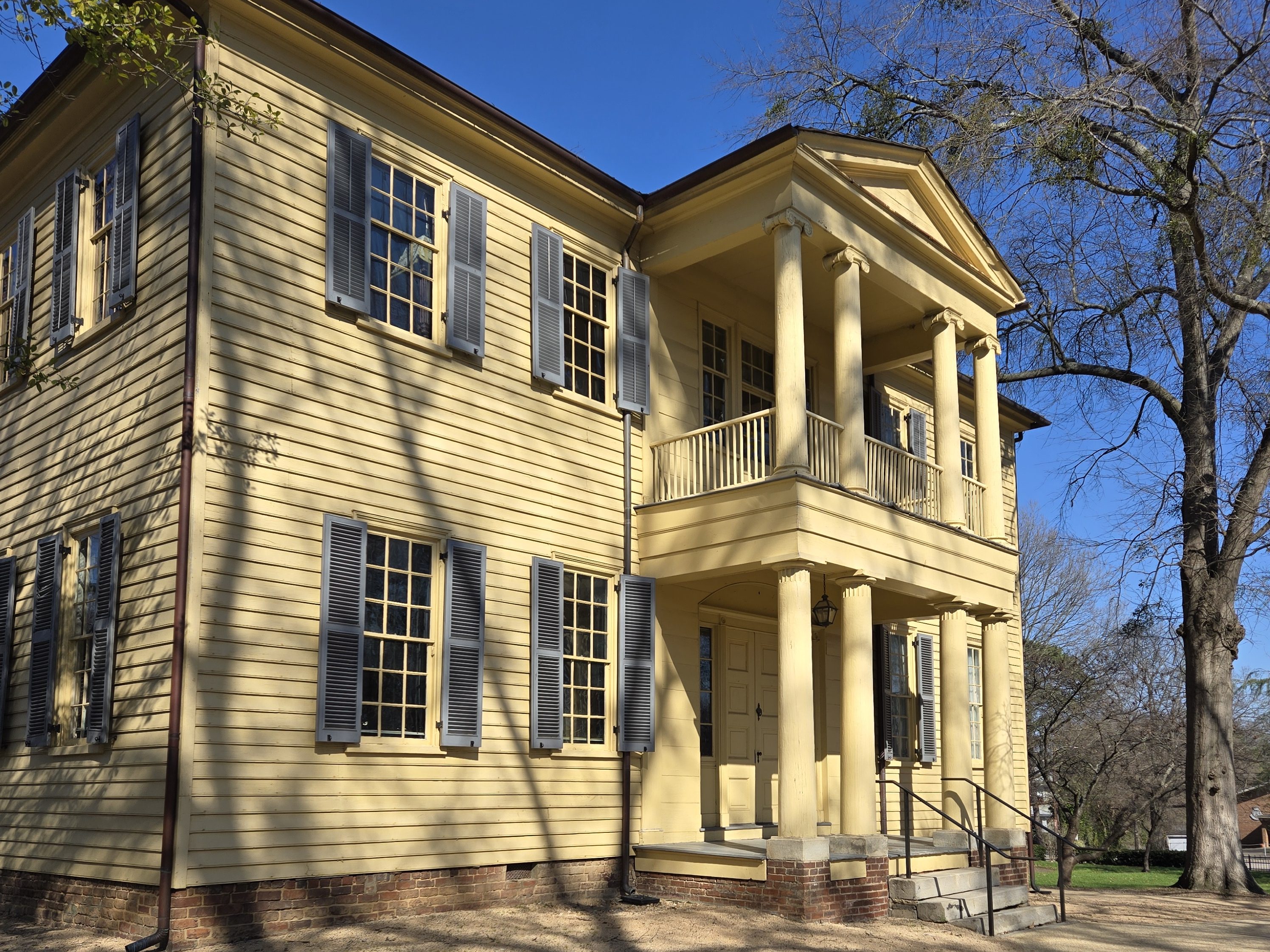
Mordecai House/Historic Park
Mordecai Historic Park (1 Mimosa St.) is part of Raleigh’s Park system with its most prominent feature being the Mordecai family’s 1785 home. Other buildings on the property include the smokehouse and plantation office. Additional buildings were relocated to the property in the 1970s. The park grounds are open to the public sunup to sundown 365 days a year. The Visitor’s Center has separate hours of operation, and guided tours of the property and historic buildings can be arranged in advance on select days.
BONUS: You can take the Historic Raleigh Trolley right from the Mordecai House and take a tour of downtown Raleigh, including hot spots, historical and architectural stops plus fun facts and fascinating stories, on Saturdays from March through December.

Freedom Park
Freedom Park (218 N. Wilmington St.) is a tribute to the spirit of the African-American struggle for freedom and the universal ideals of liberty, resilience, and equality. Open daily from dawn to dusk, the park has a central public art sculpture surrounded by a variety of famous quotes about strength and the human condition along with several observational benches.

NC Museum of Natural Science
The North Carolina Museum of Natural Science (11 W. Jones St.) has something for everyone: dueling dinosaurs, an arthropod zoo, science atrium, natural exhibits, coastal exhibits, fossils, space exhibits, astronomy and astrophysics, weather, live animal exhibits, and more. Peruse through 4 floors, the first three of which have 2 wings expanding across the plaza to a second building. Grab a bite at one of the two cafes, shop in the gift store, attend live demonstrations, and join the museum family.
NC Museum of History
Across the plaza, is the North Carolina Museum of History (5 E. Edenton St.), which is currently closed for renovation. No projected reopening date has been given.
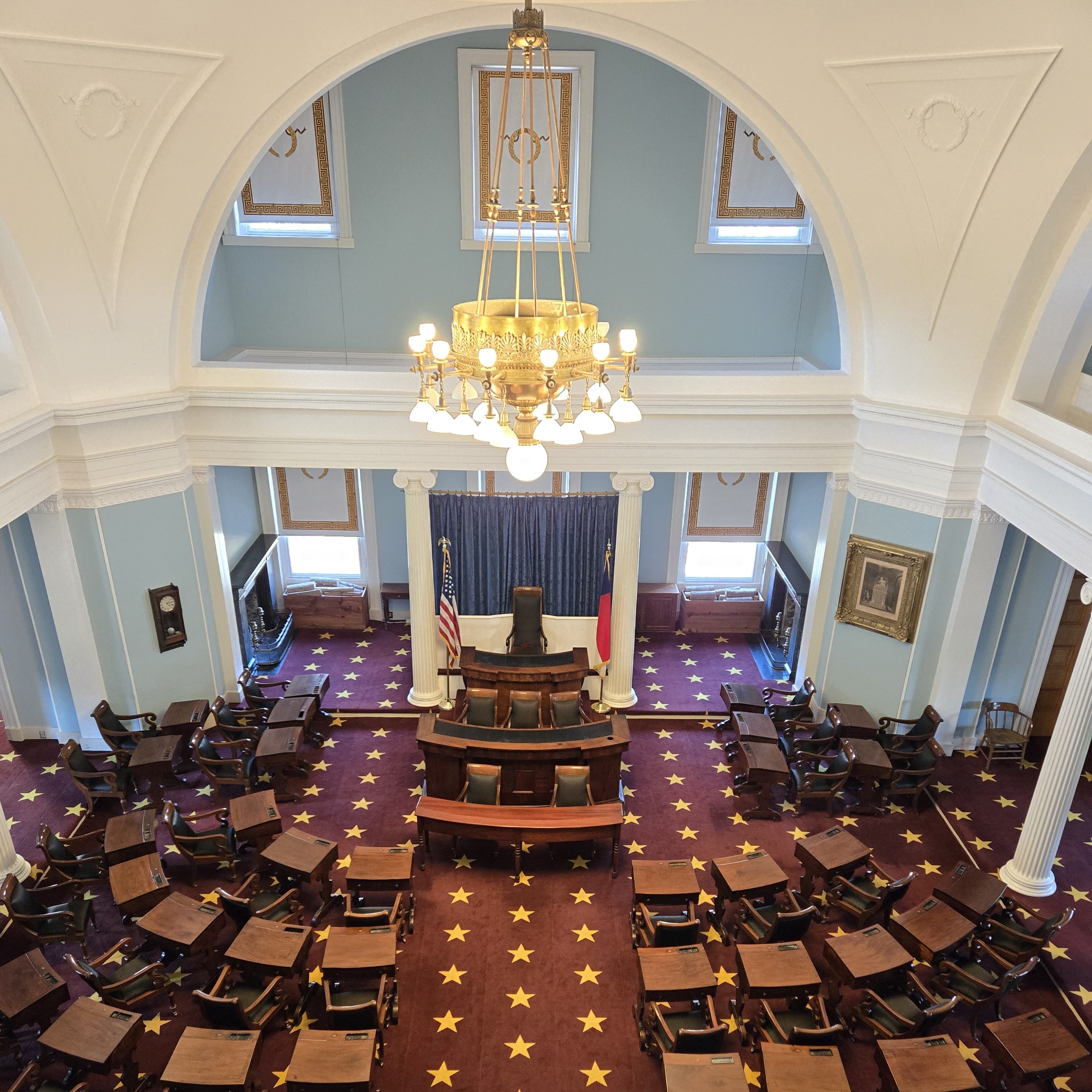
NC State Capitol
A trip to Raleigh isn’t complete without a self-guided tour through the NC State Capitol building ( 1 E. Edenton St.). A national historical landmark and a premium example of Greek Revival architecture, the building features a domed rotunda, meticulously restored, 1840-era legislative chambers, and historic museum space that include a State Geologist’s Office and State Library. It is still a working capitol building today, as the governor’s offices are still located here. Peruse through 3 levels of chambers, statuary (inside and outside), and artwork — complete with the original and very worn marble interior steps. Admission is free during open hours for self-guided tours and guided tours for groups of 10 or more can be arranged in advance.
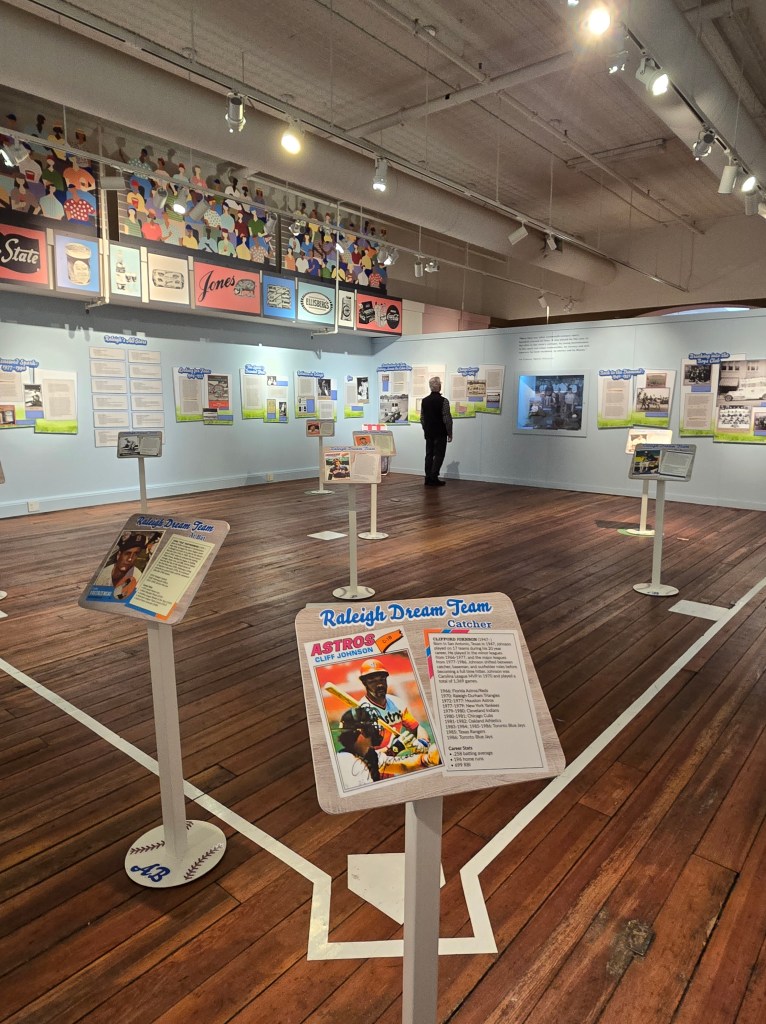
City of Raleigh Museum
The City of Raleigh (COR) Museum (220 Fayetteville St.) is a beautifully restored architectural gem in downtown Raleigh and part of the Raleigh Parks system. Housed in the historic Briggs Hardware building, the museum features both temporary and permanent exhibits that pay homage to Raleigh’s past and look to the City’s future as well. The museum maintains a collection of more than 10,000 objects. Admission is free, though donations are accepted and memberships are welcomed.

Pope Museum House
The Pope Museum House (211 S. Wilmington St.) is Raleigh’s only African American House Museum.

Joel Lane Museum House
Built in 1769, the Joel Lane Museum House (728 W. Hargett St.) is the oldest house in Wake County. The colonial Georgian house furnished with plantation life artifacts is the birth home of Joel Lane, who is also called the father of Raleigh because he sold 1,000 acres of his own land in 1792 to the state of North Carolina to establish the state’s new capital city. Guided tours are available.
Pullen Park
Part of the Raleigh Parks system, Pullen Park (520 Ashe Ave.) was North Carolina’s first public park and is recognized as the 14th oldest amusement park in the world. The park includes a 1911 Gustav A. Dentzel managerie carousel, C.P. Huntington train ride, boat rentals, ball fields, playgrounds and picnic facilities, concessions, and more. You’ll also find a TV Land Andy & Opie statue. The park is open 7 days a week.
Note: On busy days, it can be challenging to find a parking spot.
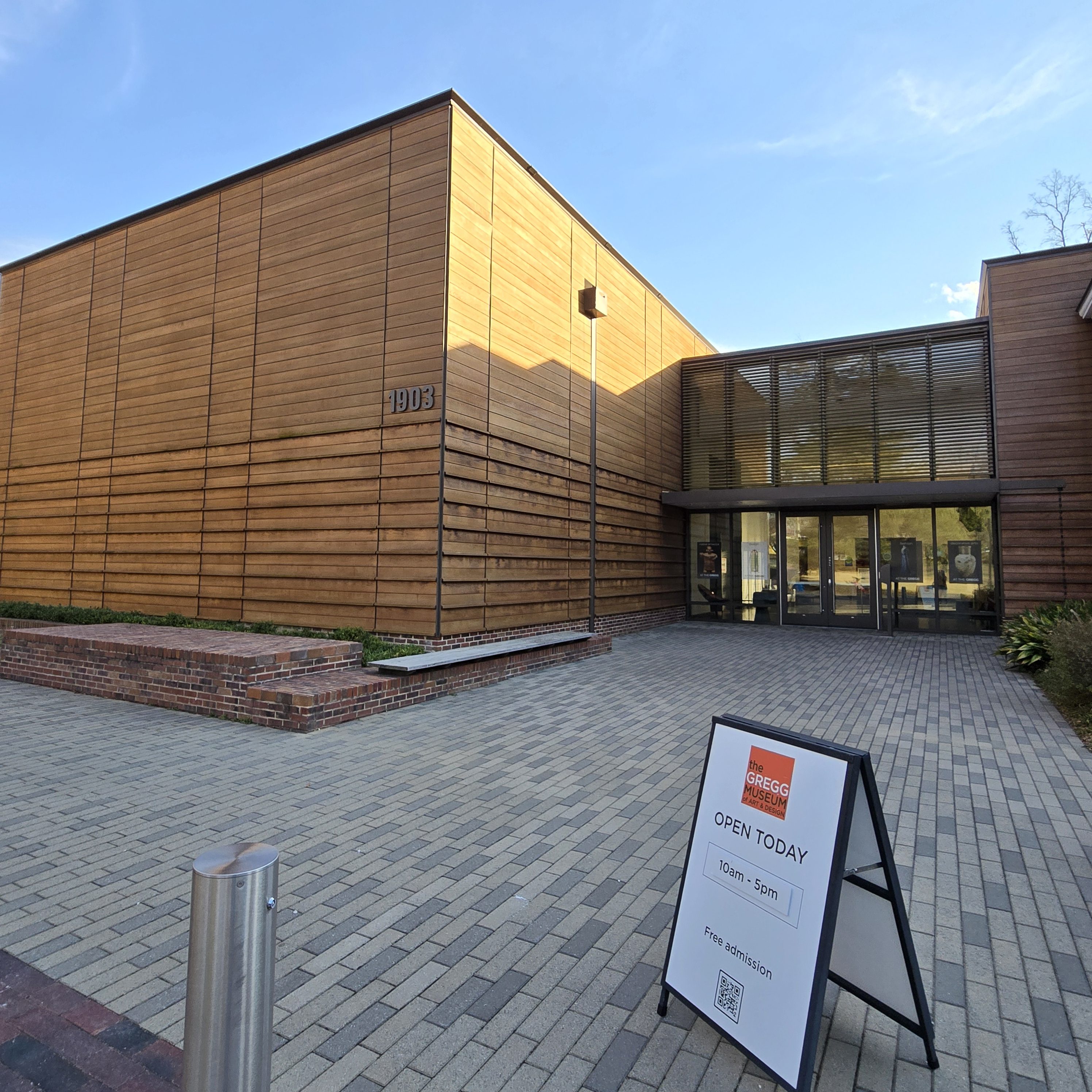
Gregg Museum of Art & Design
Visit the Gregg Museum of Art & Design (1903 Hillsborough St.) to see a variety of rotating art exhibits
BONUS: You’ll find one of Vollis Simpson’s whirligigs called “Crossroads” displayed as a permanent exhibit on the museum grounds. And you’ll see another one in Raleigh at the NC Museum of Art/Ann and Jim Goodnight Museum Park. See our Wilson County blog for the incredible Vollis Simpson Whirligig Park in Wilson, NC, which displays a full city block of his famous and NC-treasured whirligigs.

CAM Raleigh
Visit Contemporary Art Museum (CAM) Raleigh to view a variety of rotating exhibits featuring local and national artists.
From their website: CAM Raleigh is the non-collecting contemporary art museum that provides an environment for transformation through educational programs, cultural experiences, and bold, non-traditional exhibitions by living artists. CAM Raleigh is located on and near unceded land settled over the last 14,000 years by indigenous people. CAM is located on land that was used for family life, nourishment, stewardship, trade, justice, ceremony, and healing. CAM acknowledges the history of oppression and injustice that marginalized indigenous people and is a part of the history of the land we now inhabit. Indigenous people exist today by their contemporary tribal names of the Cherokee, Coharie, Haliwa-Saponi, Lumbee, Meherrin, Tuscarora, Occaneechi, Sappony, and Waccamaw-Siouan. CAM continues to look for ways to honor the people who came before us and to learn from our history.
JC Raulston Arboretum
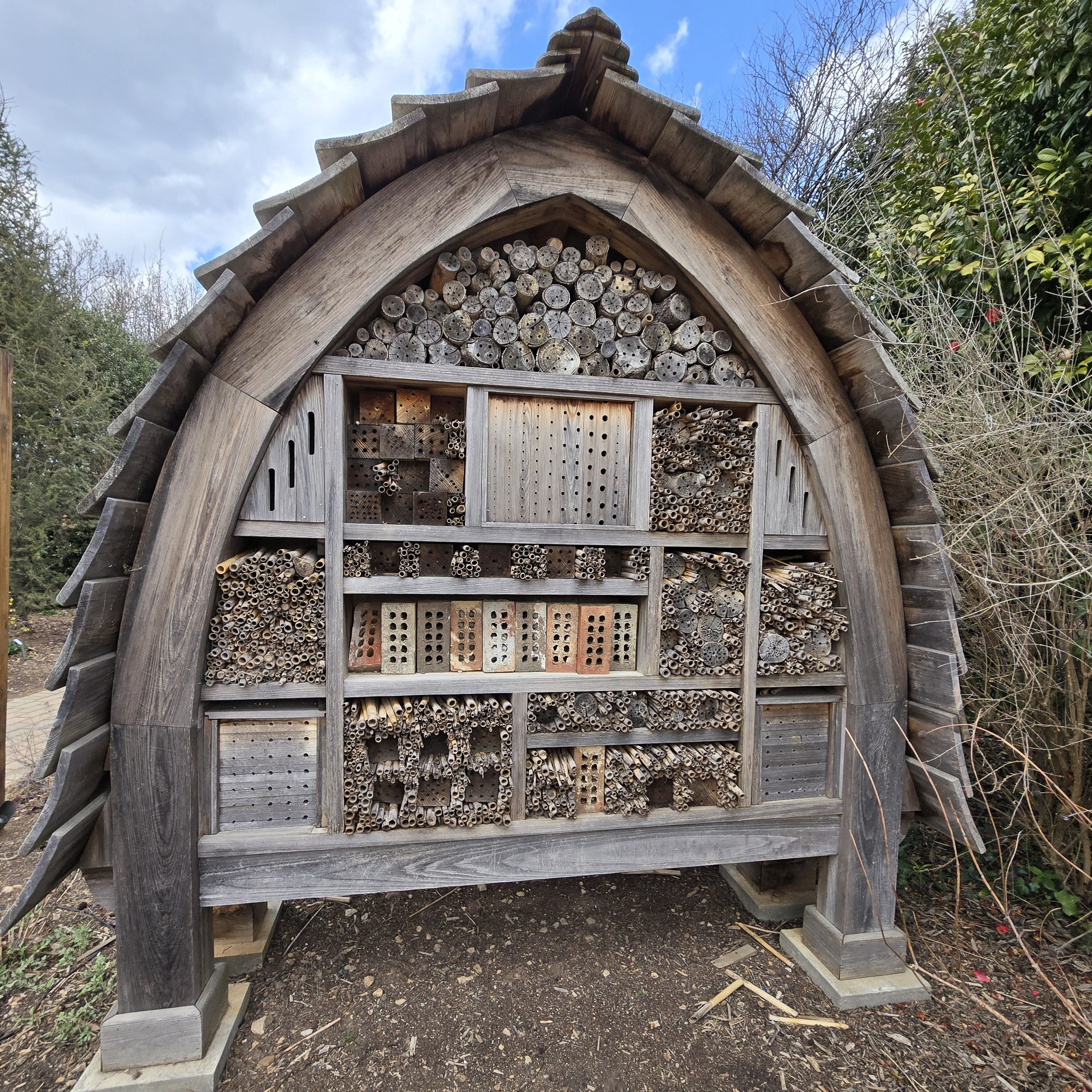
A visit to the JC Raulston Arboretum (4415 Beryl Rd.) brings you among one of the most comprehensive plant collections in the Southeast with more than 8,000 plant varietals, including a nationally accredited redbud collection. As part of the Dept. of Horticultural Science at North Carolina State University, you can explore 10.5 acres with more than 17 designated gardens and viewing areas filled with plants collected from around the world. Of note is the lovely Air Bee & Bee hive sculpture, housing a variety of residences for different bees. Admission is free, and donations are accepted. There’s a lovely little gift shop on the property — and you can become a member as well.

NC Museum of Art/Ann and Jim Goodnight Museum Park
This walkable park is one of the largest art-focused parks in the country. You’ll find many public art and sculpture displays, including earth casting by Raleigh artist Thomas Sayre. You can also find Sayre’s work in both Greensboro and Kinston.
BONUS: You’ll see one of Vollis Simpson’s whirligigs here at the NC Museum of Art/Ann and Jim Goodnight Museum Park. And you’ll find another one called “Crossroads” displayed as a permanent exhibit on the Gregg Museum of Art & Design grounds. See our Wilson County blog for the incredible Vollis Simpson Whirligig Park in Wilson, NC, which displays a full city block of his famous and NC-treasured whirligigs.
Historic Yates Mill Country Park
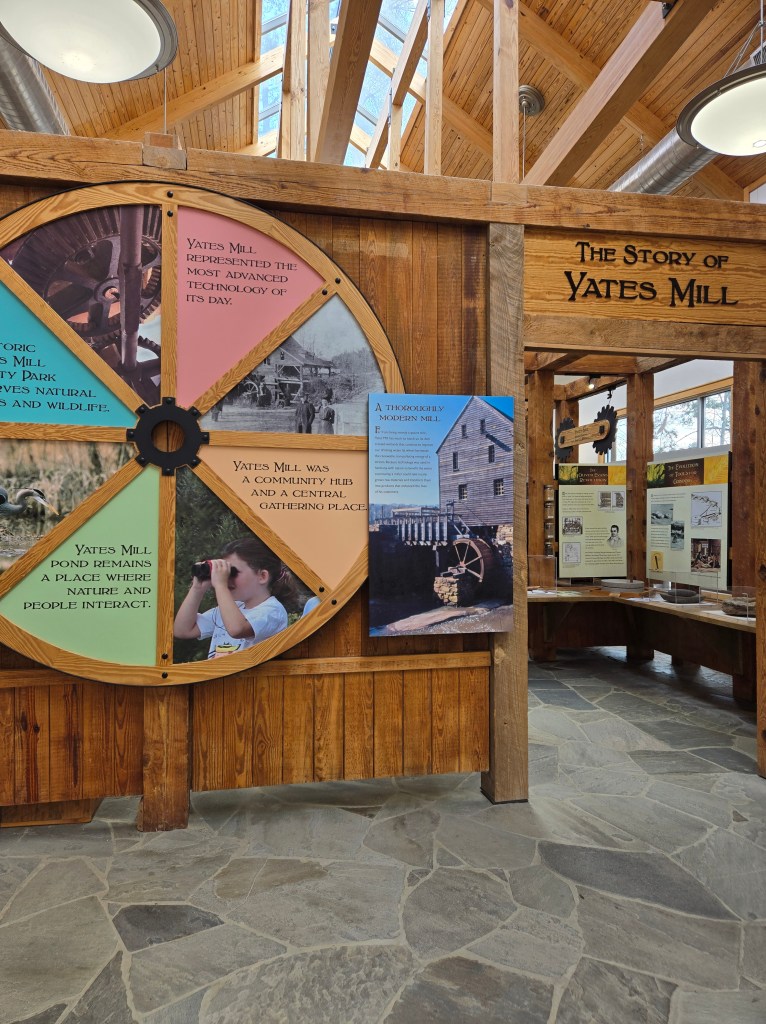
At 174 acres, this wildlife refuge and environmental research center has it all—3 miles of hiking trails, a 24-acre pond and Historic Yates Mill, Wake County’s last remaining 18th-century, water-powered grist mill (fully restored and operable!). Visit the research center and tour the mill to learn about the “farm-to-fork” process, witness the corn grinding process and purchase bags of ground yellow and white cornmeal. Admission is free, but the mill tour (available to the public March through November) is $3-$5. Park maps are available as well as brochures for common birds found in the area as well as trees found throughout the park.

William B. Umstead State Park
From 1934 to 1937, the federal Civilian Conservation Corps (CCC) constructed the area now known as William B. Umstead State Park (8801 Glenwood Ave., Raleigh). Located in Wake County between Raleigh and Durham boasts man-made lakes; fishing; 13 miles of multiuse trails; and tent, trailer, and primitive camping; and the highly popular artistic tree carving that’s a must see — right on the Graylyn trail. Stop by the Visitor Center for printed directions to find the tree.
Next stop… Guilford County!
 Portable NC