
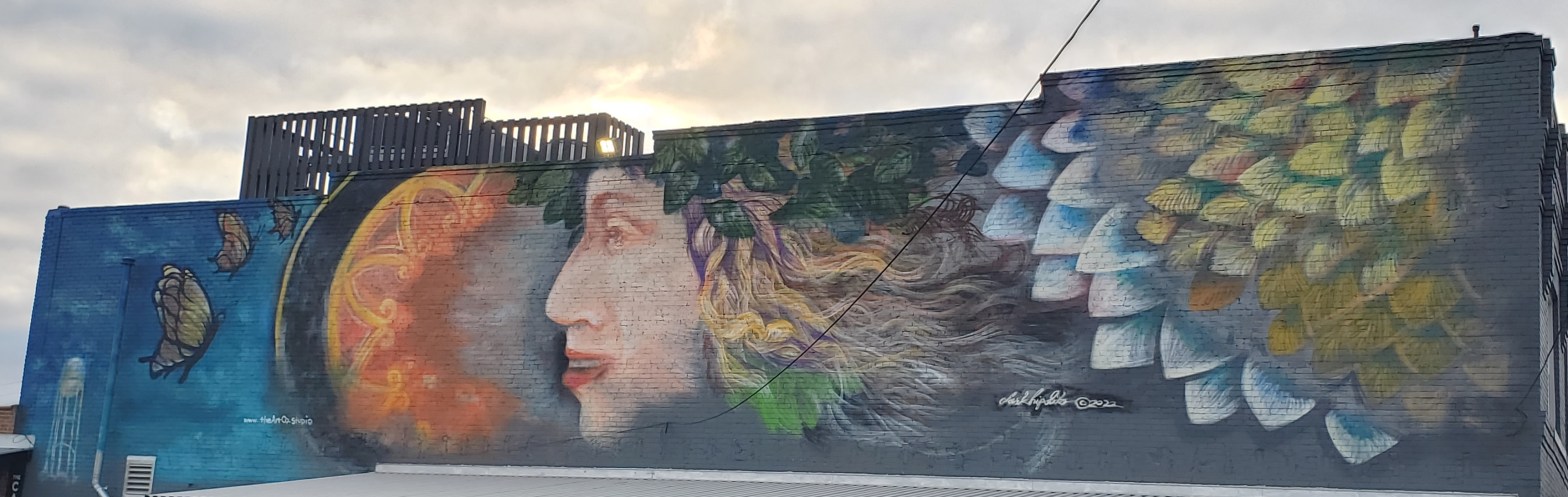
Named for Governor Gabriel Johnston, Johnston County, or JoCo as it is affectionately called today, was established on June 28, 1746, from the upper part of Craven County. Located in the southeastern part of North Carolina, farming has a primary business since its earliest days. Most early growers in Johnston County were subsistence farmers. A few grew tobacco as a cash crop or reared pigs and cattle, which were sold in Virginia. Smithfield was the westernmost freight port on the Neuse River, and in 1770 the colonial government erected a tobacco warehouse there to store the crop before it was shipped out.
Eli Whitney’s cotton gin was introduced in the county in about 1804, leading cotton to become the area’s leading cash crop. Production for sale at markets remained low before the 1850s due to poor transportation links with other parts of the state. In 1856, the North Carolina Railroad was completed, connecting Johnston County with major urban areas. As result, farming for sale increased, lumber and turpentine industries developed, and the towns of Princeton, Pine Level, Selma, and Clayton were eventually created.
About 1,500 Johnstonian men fought in the American Civil War, of whom about a third died. Lingering political tensions and the emancipation of slaves created social and economic turmoil. In 1886, the “Short-Cut” line of the Wilmington and Weldon Railroad was laid through Johnston, eventually giving rise to the towns of Kenly, Micro, Four Oaks, and Benson.
The Panic of 1893 caused cotton prices to sharply decline, leading area farmers to switch to bright leaf tobacco as their primary cash crop. A new tobacco market was established in Smithfield in 1898, and the county’s first bank was created. Within several years, cotton mills were erected in Smithfield, Clayton, and Selma. During World War I, a brief surge in tobacco and cotton prices brought a boom to the local economy. As a result, the county embarked on a school-construction campaign and consolidated all public schools under a single county system. In the 1920s, the state built the county’s first two paved highways, and shortly thereafter many towns began paving their main streets. While local commerce enjoyed significant success during the decade, area farmers struggled due to drops in tobacco and cotton prices. The Wall Street Crash of 1929 and ensuing Great Depression caused all banks in the county to close. Following the passage of a state bond issue in 1949, most roads in the county and town streets were paved. Cotton and tobacco remain as the two major crops today.
You can Sip and Stay in Johnston County on the Beer Wine Shine Trail. The trail includes stops, such as Gregory Vineyards, Hinnant Family Vineyards, Broadslab Distillery, Fainting Goat Brewing Co., JoCo Brewing Co, and more. Get stamped while you hit all eight stops!
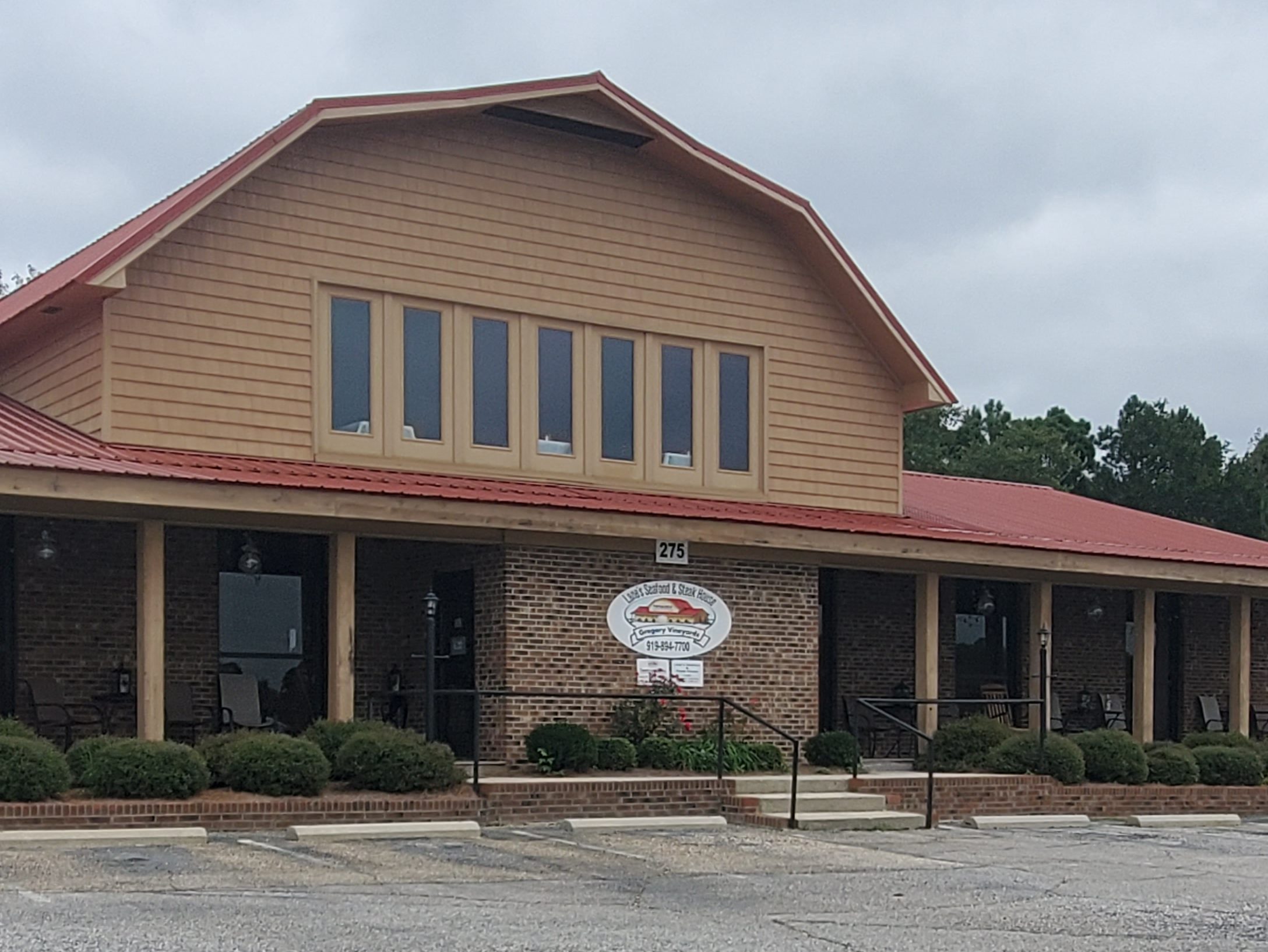
Gregory Vineyards
Gregory Vineyards is a charming winery located in North Carolina (275 Bowling Spring Dr.). Nestled in the town of Angier, it offers a serene and picturesque setting for wine enthusiasts.
With a passion for winemaking, Gregory Vineyards produces a variety of wines, each crafted with care and attention to detail. From their signature muscadine wines to traditional European-style varietals, there is something to suit every palate.
Apart from wine tastings, visitors can also enjoy guided tours of the vineyard and learn about the winemaking process from grape to bottle. The beautiful grounds offer a relaxing atmosphere, perfect for strolling through the vineyard or enjoying a picnic with friends and family.
Whether you’re a wine connoisseur or simply looking for a peaceful and enjoyable outing, Gregory Vineyards is worth a visit. Take in the beauty of the vineyard, savor the flavors of their wines, and create lasting memories in this idyllic wine destination.

Benson
Throughout quaint downtown Benson, you’ll find a variety of local stores, a few coffee shops, the Benson Museum of Local History, some public art, the prominent train tracks that run through the middle of downtown, and lots of friendly people and shop owners. Trains pass through the area frequently, and the track are easily crossable by foot. It’s definitely worth the stop!
The town of Benson, named for an early settler Alfred Monroe (“Mim”) Benson, owes much of its historical development to the railroad line which passed through the town in 1886 on its route between Fayetteville and Contentnea. Mr. Benson’s purchase of a 402-acre tract along the Smithfield-Fayetteville Road in 1874 initiated the settlement of the area now known as Benson. During the 1880s, Benson sold portions of his original tract to incoming settlers, many of whom were farmers. Benson was incorporated in 1887 and soon attracted a number of entrepreneurs wishing to take advantage of this new town along an important transportation route.
A prominent early resident of the Benson area was John William Wood Sr. (December 28, 1855 – October 31, 1928), who rode to Benson each morning on a mule and wagon from his home at Peacocks Crossroads near Meadow. After having served on the Board of Education and as a county commissioner, where he was known to be a watchdog of the treasury, he was elected to a term in the State House of Representatives in 1927. Meadow School was built on land donated by him.
Although their “modern brick hotel” is gone, much of the Benson of 1924 remains today. And, because of that, in 1984, 54 acres of the town, the center of which is the downtown business district, was placed on the National Register of Historic Places. This historic district is comprised of the entire downtown business district and several blocks of surrounding residential neighborhoods.
The State Annual Singing Convention, which brings thousands of people to Benson each year, began modestly in a tobacco warehouse in 1921. About 200 people listened to two choirs that day. Since that time, the State Annual Singing Convention has grown and become one of the largest and oldest gospel sings in the United States. The singing is held outdoors in downtown Benson in a one-block oak grove with an open stage located at 400 E Main Street. The Gospel Museum is open and free to the public on Saturdays and Sundays. There is plenty of lodging in the area. Ample parking for buses is designated behind the stage area. The 103rd Singing Convention Scheduled is scheduled in June 2024.
In 1924, an article appearing in a local paper describing the physical appearance of the town stated:
“Within the past decade (Benson) has made rapid strides in different phases of improvements and now presents to the visitor a neat, clean little town sprinkled about with a goodly number of lovely homes, handsome churches and school buildings, a modern brick hotel, (and) two large banks, the Farmers Commercial occupying one of the most expensive and up to date buildings in the state.”
For more than 60 years, Benson celebrates Mule Days on the fourth Saturday of September, a festival that attracts over 60,000 people each year to a town of just a few thousand people.
On the outside of Benson, you’ll also find Broadslab Distillery (4834 NC Hwy 50 South), located in the Broadslab community with a rich history of moonshining. The distillery features their own moonshine and run spirits as well as canned and jarred goods, such as pickled asparagus and more.
Grab yourself an area map and explore the area!
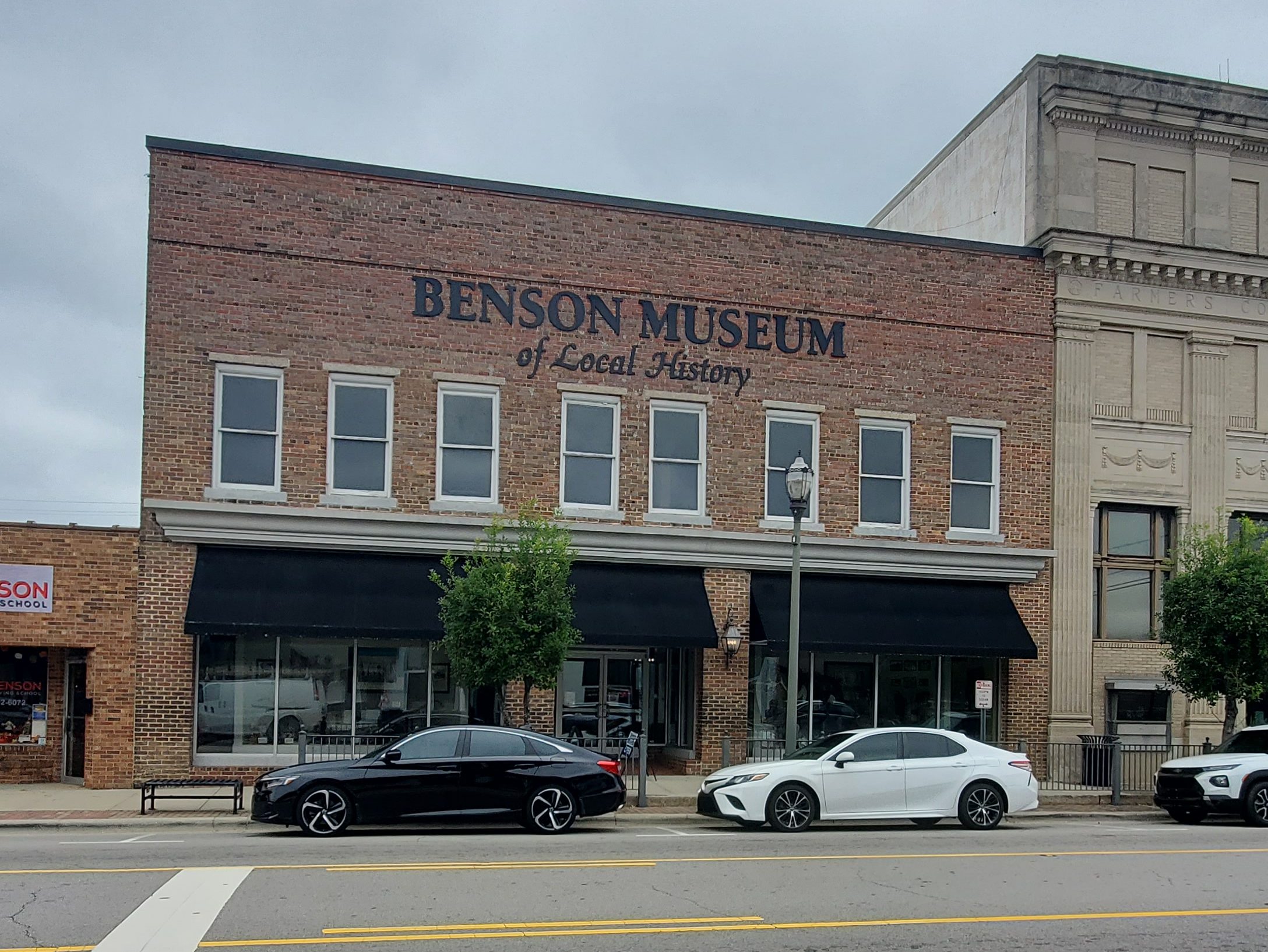
Benson Museum of Local History
Come and step into another time. From farming and merchants to the railroad and baseball, experience life from earlier days and learn about how Benson’s past has made it the great community it is today. The Benson Museum of Local History (102 West Main St.) was established in 1987 to collect, preserve, and display items of historical significance related to the Benson area. The museum, which was originally located in the Benson Municipal Building, is now located in a beautiful building on Main Street, just steps from the railroad track. Visitors will see exhibits on a variety of subjects that defines Benson’s heritage, including Benson’s agricultural heritage, founding fathers, country doctors, military, education, plus much more.
Benson’s Art Trail
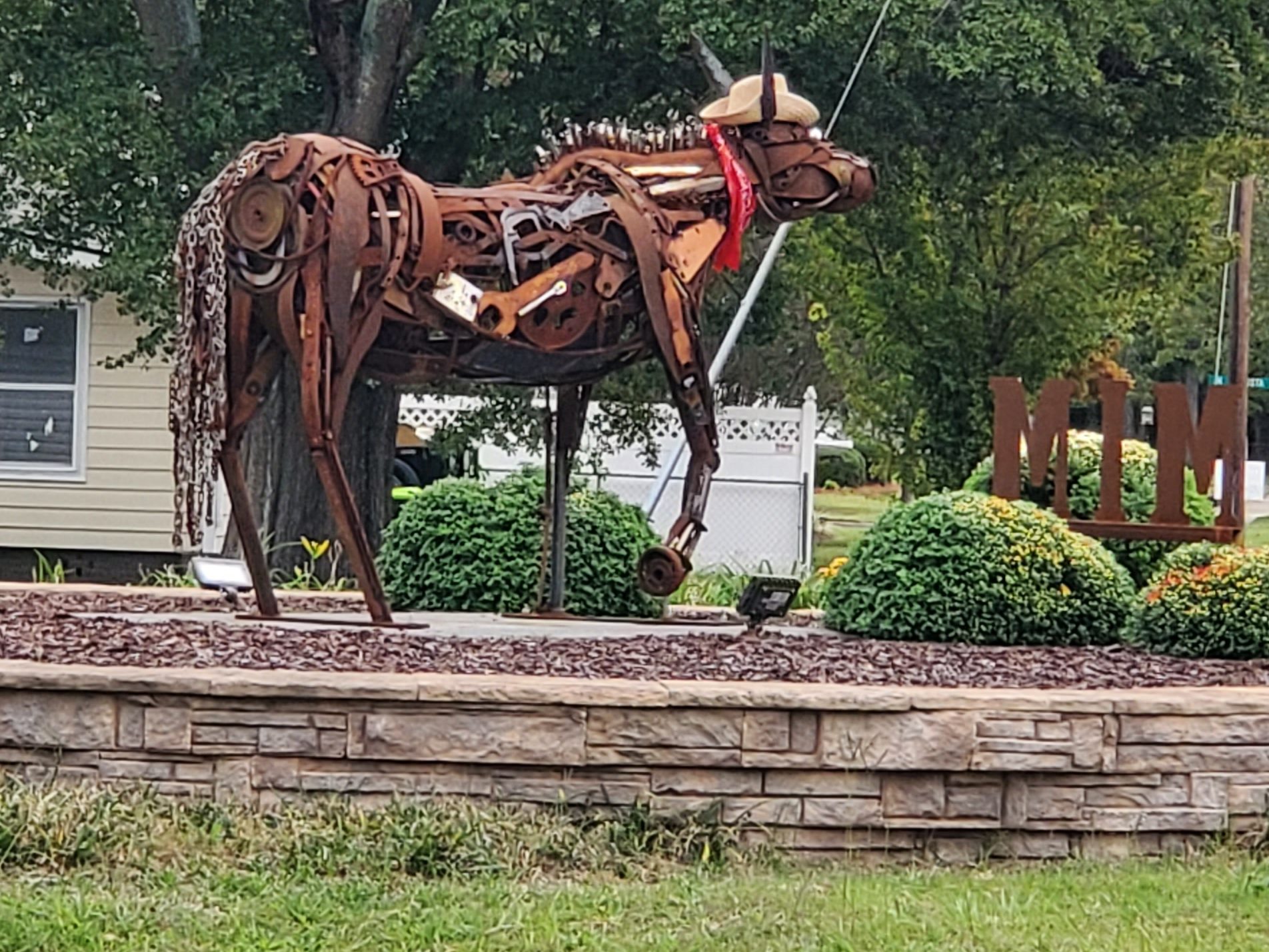
Benson’s Art Trail consists of two murals and two sculptures.
- Mim the Mule Sculpture: You’ll find this as you head into town from the north on route 50. (It’s tough to take a photo here, since it is at the intersection of a few roads and there’s not a good spot to pull over.)
- Benson Mural: Right in the middle of downtown beside the railroad tracks, you’ll find this colorful, photo-perfect wall mural that depicts the best of Benson for all to see.
- Open Hand Sculpture: You’ll also find this oversized metal sculpture in the heart of downtown right beside the railroad tracks and across from the Benson Mural. (I’m not sure what the actual name of this sculpture is, but this seems like an appropriate name.)
- Coffee Cup Mural: Heading out of Benson past the Singing Convention stage, you’ll find this colorful mural on the side of a gas station (left side of the road) across from the McDonald’s.

Tucker Lake
If you’ve driven I-40 through Raleigh, you’ve passed by Tucker Lake in Benson (3025 Allen’s Crossroads Rd.), a campground with a spring-fed lake and sandy beaches.
Four Oaks
Four Oaks was one of several towns founded along a branch of the Wilmington and Weldon Railroad, completed though Johnston County in 1886. Named for four oak tree sprouts growing from a stump, the town was incorporated in 1889. At that time, the town had a post office, a public gin, saw and grist mills, a saloon and general store, a church, and a population of 25. Cotton and tobacco farming were notable industries in the surrounding community.
A brick school for white students opened in 1923. By the 1930s, several rural schools near Four Oaks consolidated, and enrollment at the brick school increased to over 1,900 students, after which the school claimed to be the world’s “largest rural consolidated school”. An arsonist destroyed the building in 1987, and an elementary school for black students opened in 1928. Street lights were installed in 1907, and by 1910 Four Oaks had a population of 329.
The Four Oaks Commercial Historic District, consisting of 29 buildings dating from the late 19th and early 20th centuries, was listed on the National Register of Historic Places in 2006. Each year, the Four Oaks Acorn Festival features live entertainment, vendors, children’s activities, a barbecue competition, and an antique car and tractor show.

Bentonville Battlefield
In the town of Four Oaks, you’ll also find a North Carolina state Historic Site at Bentonville Battlefield (over 2,000 acres at 5466 Harper House Rd.) — the site of the South’s last major offensive and the largest Civil War battle in North Carolina fought between March 19-21, 1865. Here you can discover the area’s history through inside exhibits and explore the grounds on both sides of the street as well as take a 10-mile loop, guided driving tour. Historic buildings and sites include historic waysides and brigade markers plus over 3 miles of original trenches.
Smithfield
Smithfield is a town in and the county seat of Johnston County. Founded near Smith’s ferry on the Neuse River, Smithfield was Johnston County’s first town and second county seat. The settlement was first known as Johnston County Court House and was incorporated as Smithfield in 1777. Smithfield is home to the Ava Gardner Museum and is situated along the Neuse River, where visitors enjoy the annual Smithfield Ham and Yam Festival (among nearly 20 annual town events), walks along the Buffalo Creek Greenway, and the historic downtown district. Stop here for a variety of local shopping, dining, and attractions.
Ava Gardner Museum
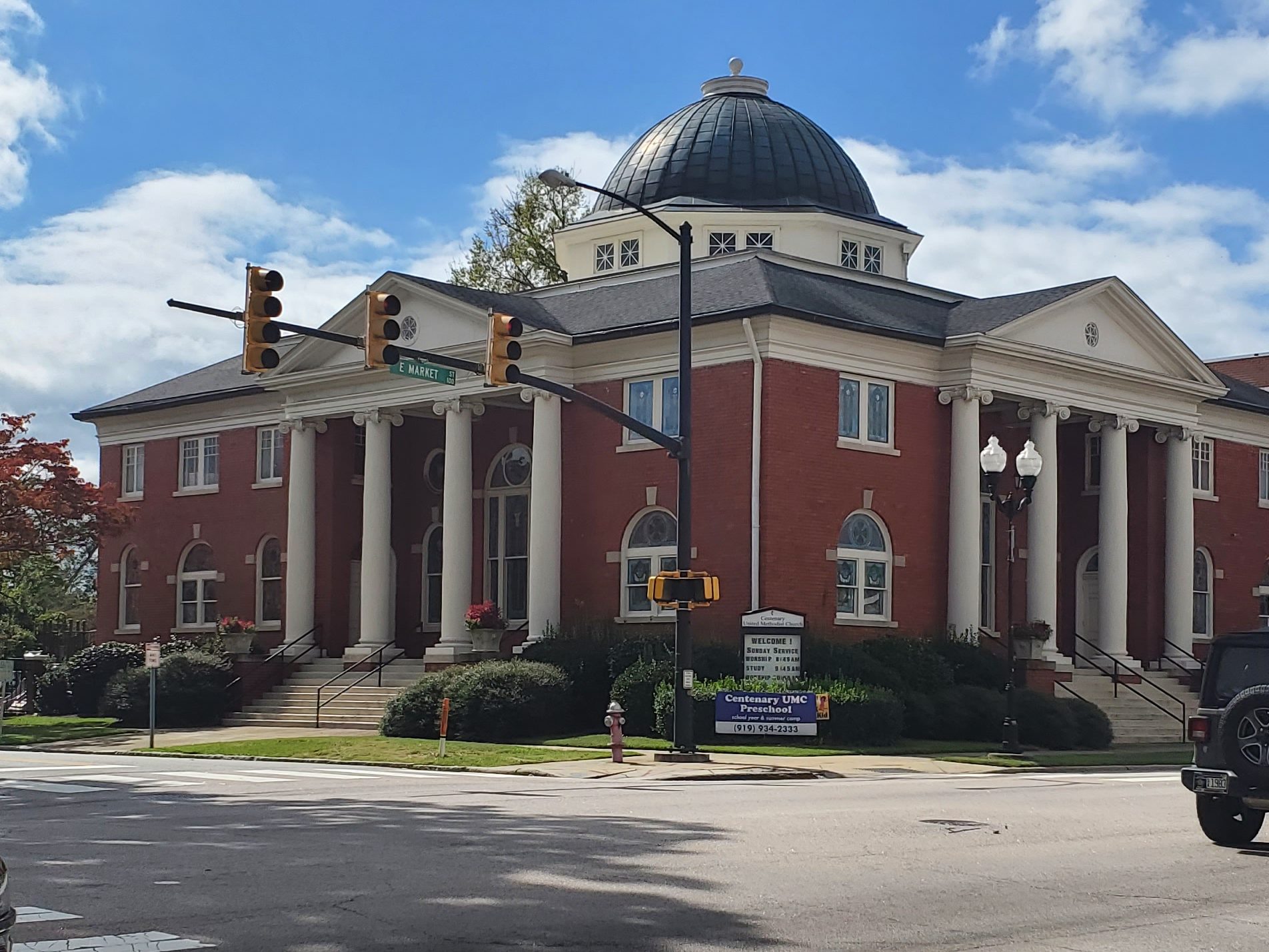
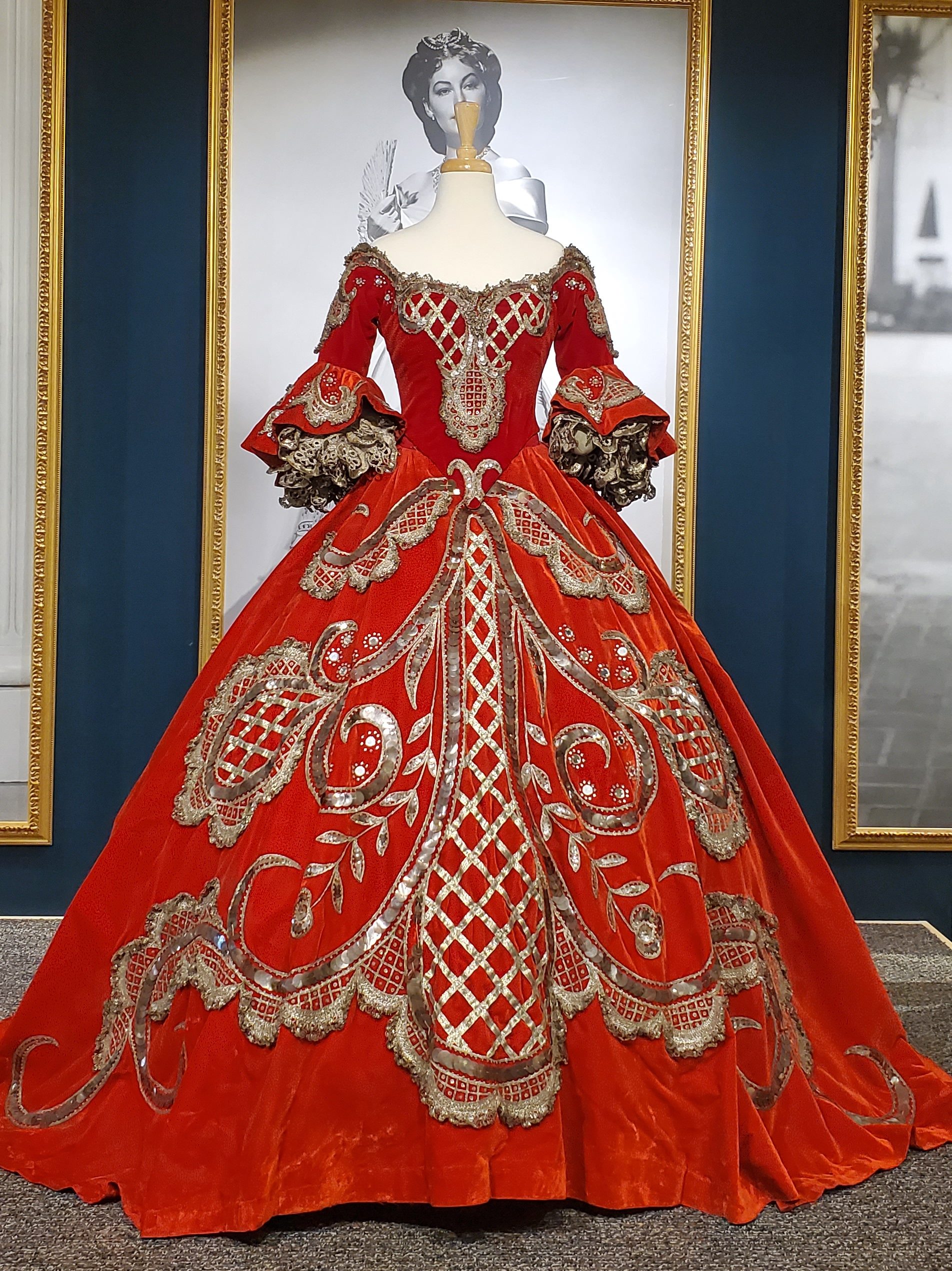
The Ava Gardner Museum (325 E Market St.) is home to an incredible collection of memorabilia including original scripts, photos, costumes, and personal effects of screen legend Ava Gardner—a true Hollywood “Cinderella” story. Experience her rise to fame from a country girl to one of Hollywood’s film goddesses.
Born near Smithfield, in the rural crossroads known as Grabtown, Ava’s friends and co-stars included Mickey Rooney, Clark Gable, Frank Sinatra, and Gregory Peck. Her grave site is located in nearby Sunset Memorial Gardens, approximately two miles from the museum.
In 2022, the museum held the “Ava 100” festival to celebrate what would have been the actress’s 100th birthday.
Johnston County Heritage Center
The Johnston County Heritage Center (241 E. Market St.) preserves the history and material culture of Johnston County for the educational benefit of its citizens and visitors; and it promotes the understanding of and appreciation for its past through interpretive exhibits, programs, and publications. It has become known as one of the best equipped facilities in the country for scholars, amateur historians, genealogists, and students to research the history and culture of Johnston County and its people.
Located in the renovated former home office of First Citizens Bank in the heart of downtown Smithfield, the location has space for exhibits, secure artifact storage, and ongoing expansion of the widely acclaimed Johnston County Room collection of local history and genealogy that was previously housed in the Public Library of Johnston County and Smithfield.
Visitors can peruse through rotating exhibits and attend special events held throughout the year. Be sure to pick up the Historic Walking Tour Brochure to explore the Downtown Smithfield area and its rich history. Admission is free.
Shadow Hawk Western Town
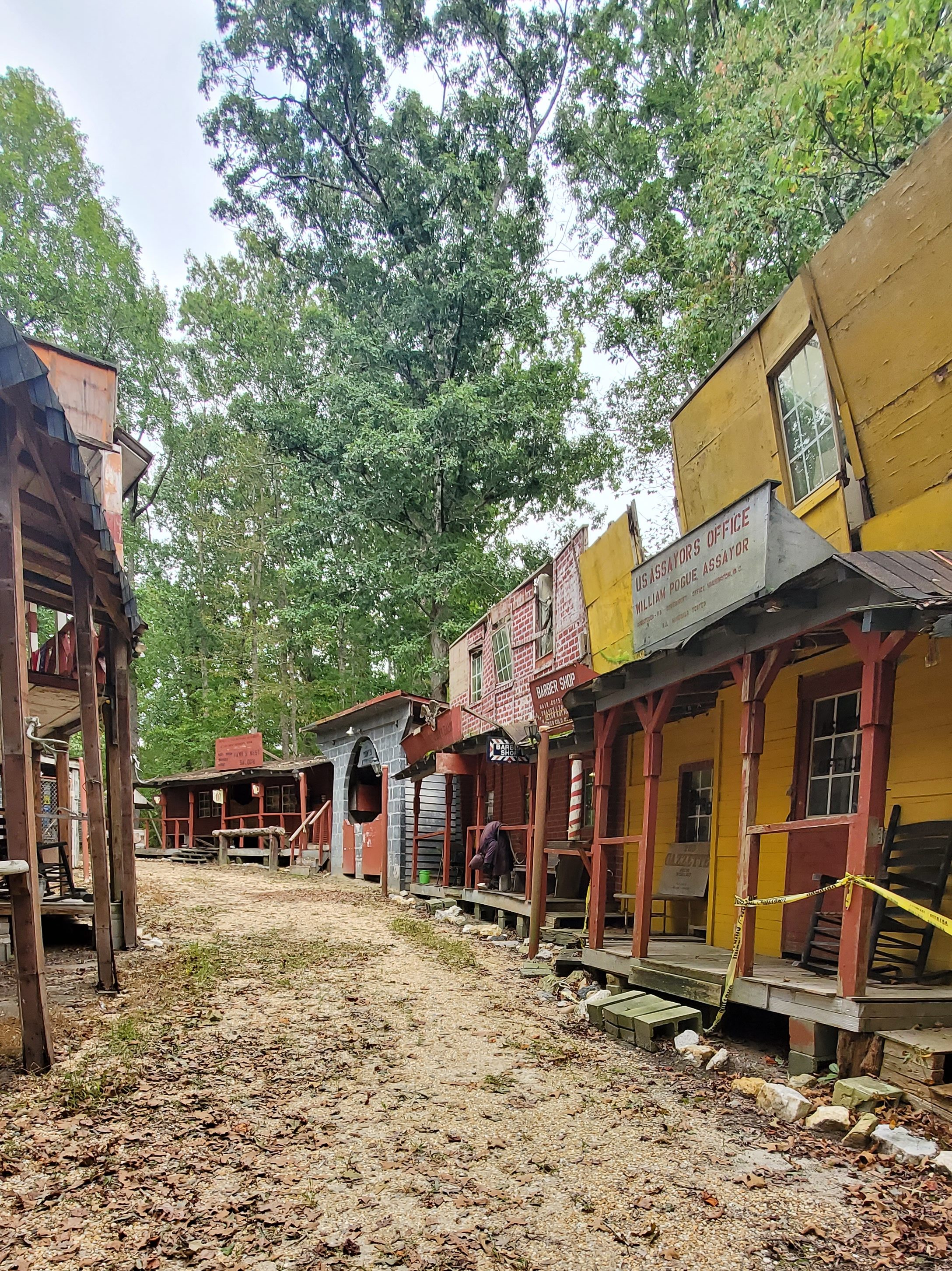
Here is a true hidden gem for you! On the outskirts of Smithfield, you’ll find this gem entirely built in someone’s back yard (494 Bonnie Ave.). Visitors are welcome to stop by and wander through unannounced if it is open. However, be aware that filming can be happening on any given day. So, walk quietly through if they’re filming. (They usually post a sign out front to let you know.) On the day we were there, filming was going on in the chapel. The attraction opens at 12pm daily.
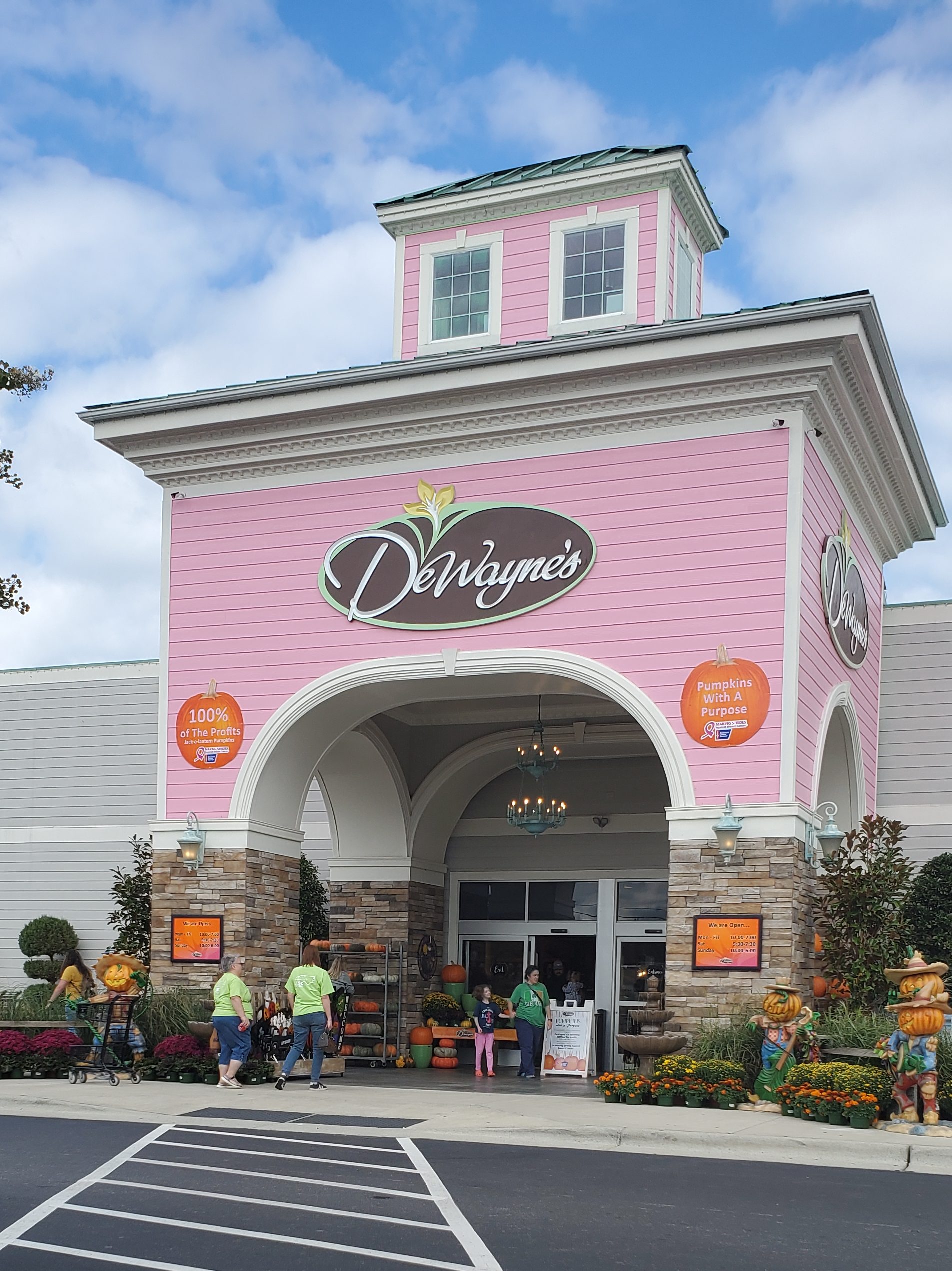
DeWayne’s
If you’ve never heard of or been to DeWayne’s (1575 Outlet Center Dr.), this is a must stop if you’re in the area. DeWayne’s has an award-winning and nationally recognized garden center with cast iron fountains and statuary plus a large year-round Christmas shop, designer boutiques, a fudge and sweet shop with ice cream, and so much more. It is definitely a destination shopping experience.

Selma
Selma was officially chartered as a Town on February 11, 1873, but the Town’s true birth took place on May 1, 1867, when there was a public sale of lots around a newly established station on the North Carolina Railroad. Selma was born as a “Railroad Town,” and our rail heritage is still evident today, with our recently renovated 1924 Union Depot (Selma Union Depot) supporting Amtrak service.
The town is also home to the Mitchener Station, which was built in 1855 and is thought to be the oldest surviving train station in North Carolina. After Interstate 95 was built in the late 1950s, the town experienced growth due to its location next to the interstate. Today, there are many hotels and restaurants located in the area thanks to the traffic from I-95.
Selma Railroad Days is held in September/October of each year. You can also discover several artistic murals around town.
- Vick Park Mural
- Love Mural
- Children Playing Mural
- Selma Firefighter
- Swing Mural

Union Station
This 1924 train station (500 E. Railroad St.) was completely restored in the Fall of 2002. Enjoy exhibits and memorabilia on rail history and the Town of Selma as well as the grounds, including a caboose.
Strickland Art Gallery
Located in Downtown Selma, Strickland Art Gallery (115 S. Raiford St.) features a wide variety of art for your home which is all painted by owner/artist William Strickland. William Strickland has lived in Selma for over 20 years and his work can be found around Downtown Selma as street art, in DeWayne’s, and in the Johnston County Hospice House. He was named the 2020 Artist of the Year for Johnston County in the Johnston Now Magazine.
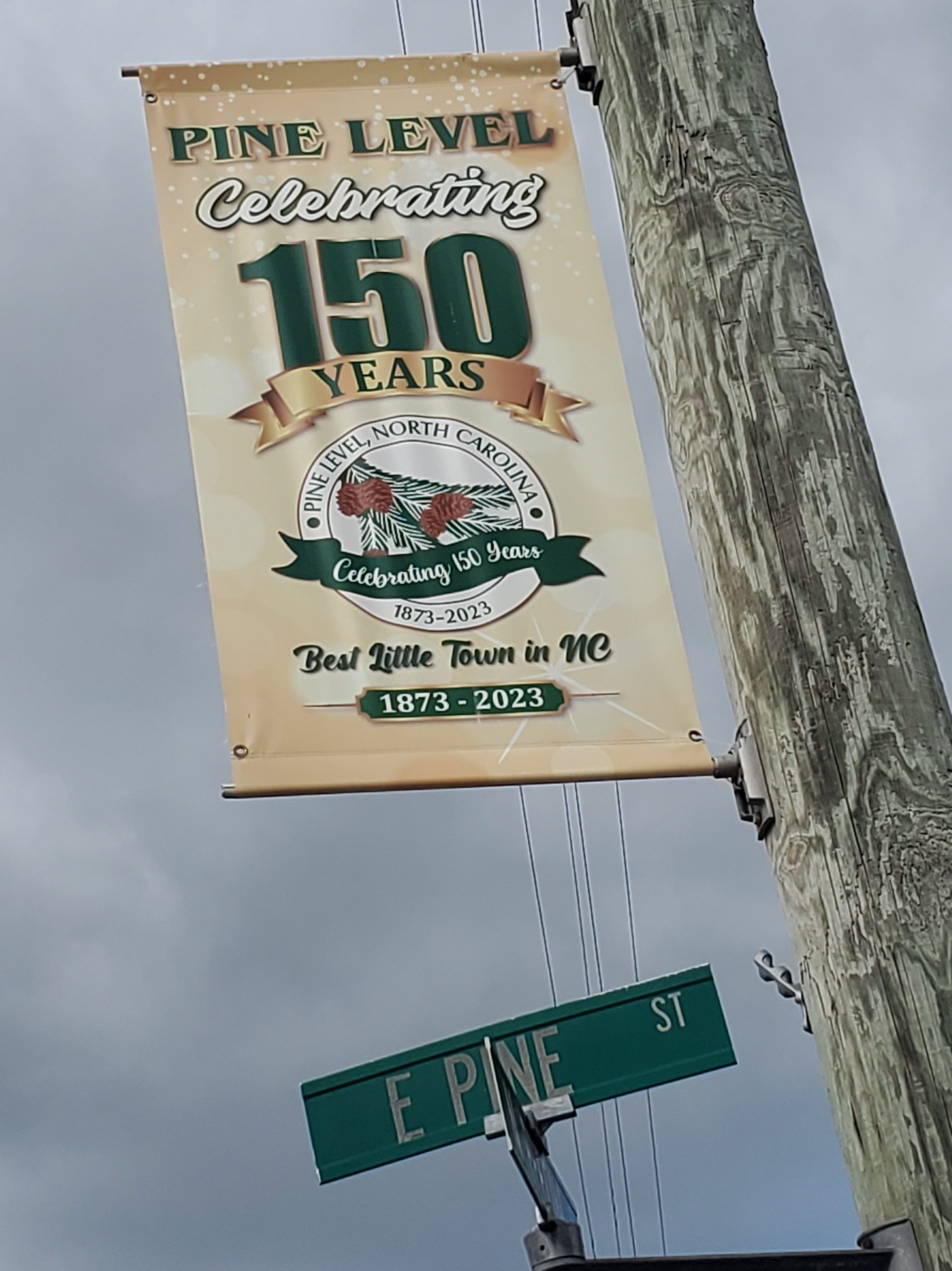
Pine Level
In 1963, Floyd G. Hinnant, Postmaster of Pine Level, wrote down his history of Pine Level:
In the days of slow transportation this little town, the third oldest in Johnston County, was a trading center for the pioneer turpentine prospectors and merchants who were obligated to feed the workers who followed those who were setting up turpentine distilleries. In 1868 two brothers, Daniel Thomas Oliver and William Berry Oliver, migrated from Robinson County in the interest of turpentine, setting up a distillery. Finding the natural setting of pine trees applicable to their need and in a fairly level country, the town found its name: Pine Level.
Some records say Gaston Britt and Bryant Hinnant were merchants at the time the Oliver boys landed. They, too, built two separate stores with supplies for the workers. The D. T. Oliver Store is no longer doing business but the original building is still standing and is used as a workshop by a great grandson. The William Berry Store was purchased by the only surviving son, the late D. B. Oliver, in 1900 and is still in operation by his four sons. The Southern Railroad running through the pine tree growth enabled the turpentine dealers to dispose of the turpentine by the railroad placing a train stop in town. Then a place for a post office was arranged with Mr. Thomas Hinnant being the first recorded post master in 1886. Happy were the people when the Post Office Dept. in Washington, D.C. gave the south the free mail delivery service. Pine Level has an up-to-date post office with efficient service rendered.
During the early nineteen hundreds many more settlers moved into our little town and at this time we have one of the most progressive rural sections in the state. Pine Level has a population of nearly 1,000. It has a bank, oil mill, modern cotton gin, mercantile businesses which service the farmers of a large area, five churches, two civic clubs, a veteran’s organization, and a fine volunteer fire department. Work is now progressing on a modern water system to keep pace with the rapidly growing town.
Hinnant Family Vineyards
Hinnant Family Vineyards and Winery (826 Pine Level-Micro Rd.), the largest muscadine vineyard in North Carolina with over 100 acres, is truly a tradition in the making. For over 30 years, the Hinnant Family has dedicated countless hours into cultivating the best quality muscadine grapes in the state. From their dry white and reds to the traditional sweet scuppernong grape, they catch a spectrum of flavors in their internationally award-winning wines.

Pine Level Hardware and Furniture Store
Pine Level features the large shop of Pine Level Furniture (219 N. Peedin Ave.).
Kenly
Kenly is a town in Johnston and Wilson counties in the U.S. state of North Carolina. It was named for John R. Kenly, Northern Division Superintendent of the Atlantic Coast Line Railroad, who later became president of the railroad in 1913. The community was settled in about 1875, developing along the “Short-Cut” rail line of the Wilmington and Weldon Railroad. It was incorporated in 1887 as Kenly, and the community’s first school, Kenly Academy, a private boarding institution, was established. Kenly High School, a public institution, was opened in 1914, and the town received its first electric service that year.
Flower Hill Nature Preserve
9038 Flower Hill Rd.

Kenly 95 Truck Stop
The Kenly 95 Truck Stop (923 Johnston Pkwy.) features a large, 1/3-scale replica of the Cape Hatteras Lighthouse. It’s definitely the largest truck stop this traveler has seen, complete with a full-size cabs and trucks inside, plus selections of tractor trailer parts, including grills, exhaust pipes and more — for truckers who want to trick out their ride!
Boyette Slave and Schoolhouse
NC Hwy 222, Glendale Rd.

The Tobacco Farm Life Museum
Stop by The Tobacco Farm Life Museum (709 N Church St.) for a step back in historic farming throughout the area. Visitors can tour through several buildings, antique farming equipment, and a gift shop.

Clayton
Clayton is a town in Johnston County and is considered a satellite town of Raleigh. Clayton is filled with local boutique shops, unique restaurants, public squares (Horne Square and Clayton Town Square), a public garden, plus art murals and sculptures. This enclave has a bustling downtown area with lots to do — and a nice environment for a day trip.

Sculpture Trail
Take some time to discover the 10 sculptures along Clayton’s Sculpture Trail.
Next Stop, Stokes County!
 Portable NC