
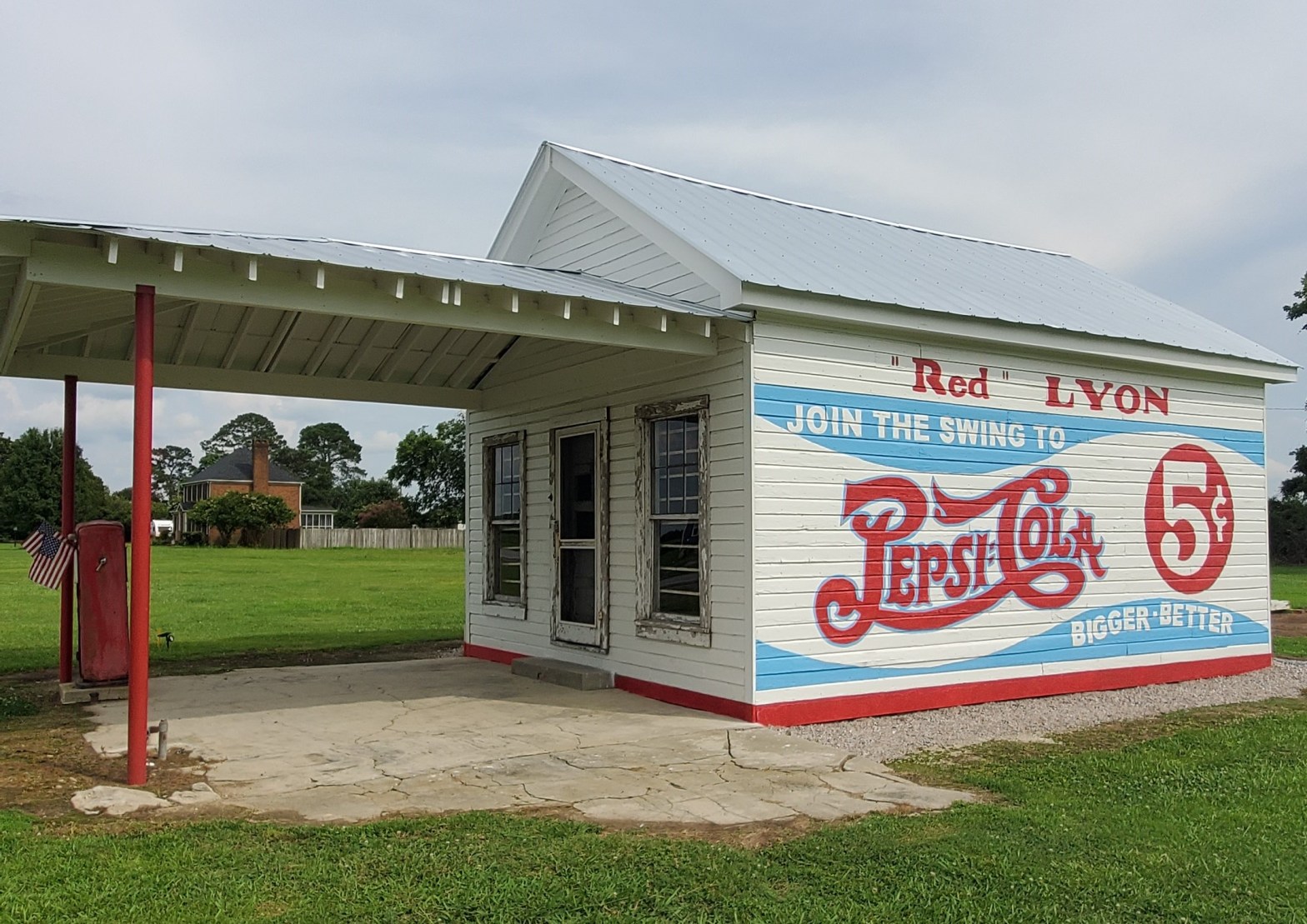
Tourism-wise, there’s not a whole lot that creates interest in Greene County, but there is some interesting history here.
Greene County was named in honor of Nathanael Greene, one of General Washington’s right-hand men, as was the Piedmont city of Greensboro, NC. As part of a land grant by King Charles II of England in 1663, the area was first settled around 1710 by immigrants from Maryland, Virginia, and within North Carolina. The original inhabitants of the area, the Tuscarora Indians, fought with these immigrants and on March 20–23, 1713, a fighting force of South Carolinians and Yamasee Indians, under Colonel Murice Moore, defeated the Tuscarora, under the leadership of Chief Hancock. This was the final major battle of the Tuscarora War at Fort Neoheroka near where Snow Hill is located today.
A portion of western North Carolina was also named Greene County after Nathanael Greene. However, that area was ceded to the federal government and became part of the Southwest Territory (1790–1796) and then the State of Tennessee after 1796.
Hookerton
Formally established in 1817, Hookerton is the oldest incorporated town in Greene County. Hookerton is home to one of more than 750 Civil War sites in North Carolina, Virginia, and Maryland. A Civil War Trails marker is located on Main street (Hwy 123). Bridges in Hookerton and nearby over the Contentnea Creek and Little Contentnea Creek were important to the movement of troops and supplies in this area. Potter set fire to the Hookertown Bridge after crossing it on his way back to New Bern July 21. This small town was also headquarters for Confederate Gen. James Pettigrew after his attempt to recapture New Bern failed in April 1863.

Snow Hill
The county seat, Snow Hill, which was chartered in 1828, is the largest town and major commercial center in the county. The town of Snow Hill draws its name from the historic white sandy banks of nearby Contentnea Creek. Snow Hill hosts numerous tennis tournaments during the year and is home to the Green Ridge Racquet Club. Many junior and adult players travel to Snow Hill to play in the USTA (United States Tennis Association) sanctioned tournaments.
Snow Hill was originally a major trading depot on Contentnea Creek. There are several theories for the origination of the town’s name. One theory is that the town derived its name from the Contentnea Creek on whose banks Native Americans camped and called them “snowy white,” which was translated into “snowy hills.” The snowy white reference is likely to the white sands along the creek.
Snow Hill may be the smallest town in the United States to ever field a professional baseball team. From 1937-40, the Snow Hill Billies played in the Class D Coastal Plain League and won the league pennant in 1937. Future New York Yankees Aaron Robinson and Al Gettel began their careers with the Billies.
In April 2011, a tornado struck the town and caused massive damage.
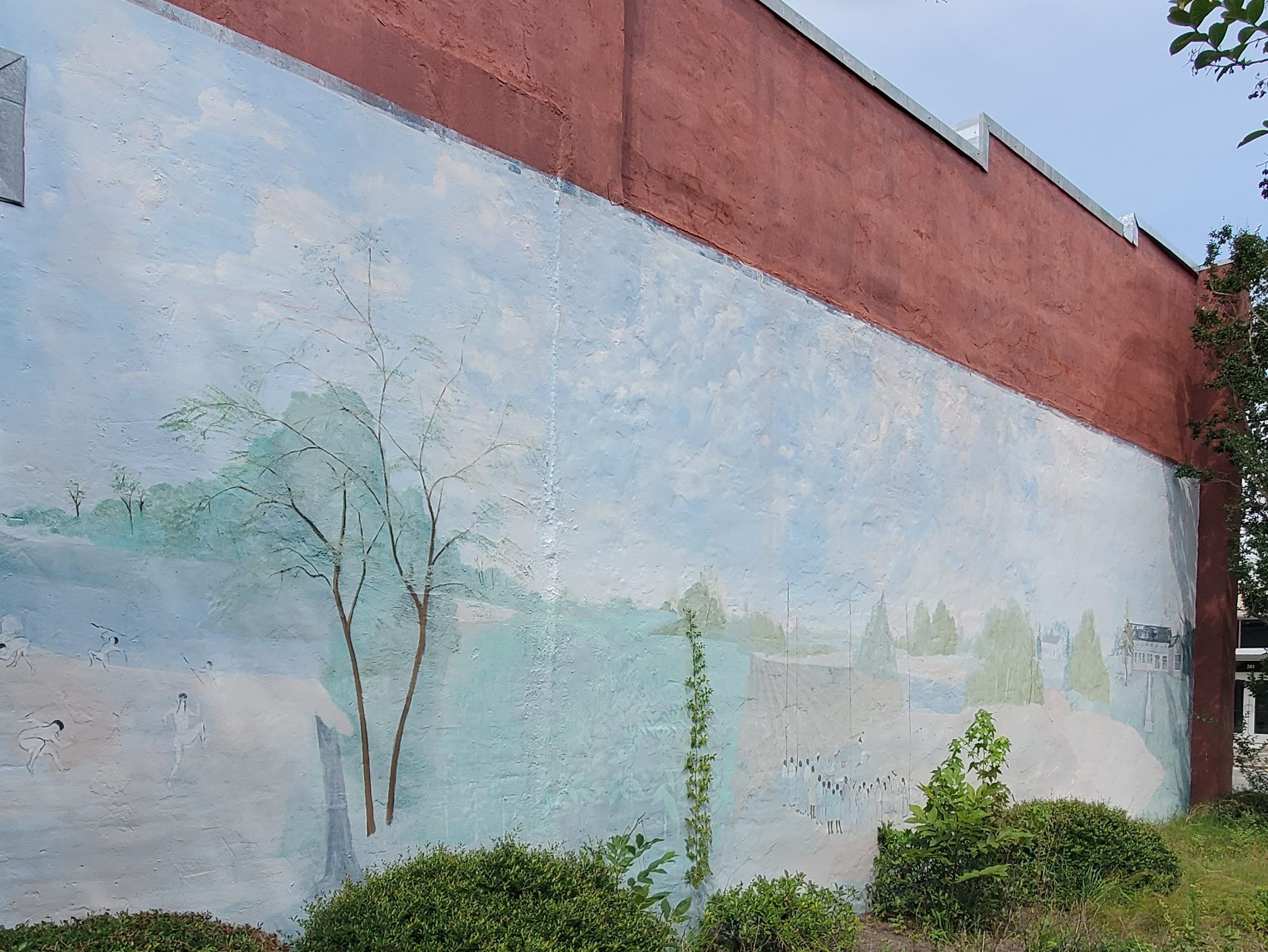
Greene County Museum
In Snow Hill, you’ll find the Greene County Museum, a community gathering place for both adults and children, with exhibits featuring local history, quilting, childrens’ art as well as rotating exhibits featuring photography, memorabilia, local artists, and more. The museum also hosts cultural events, speakers throughout the year as well as outdoor events in the courtyard.
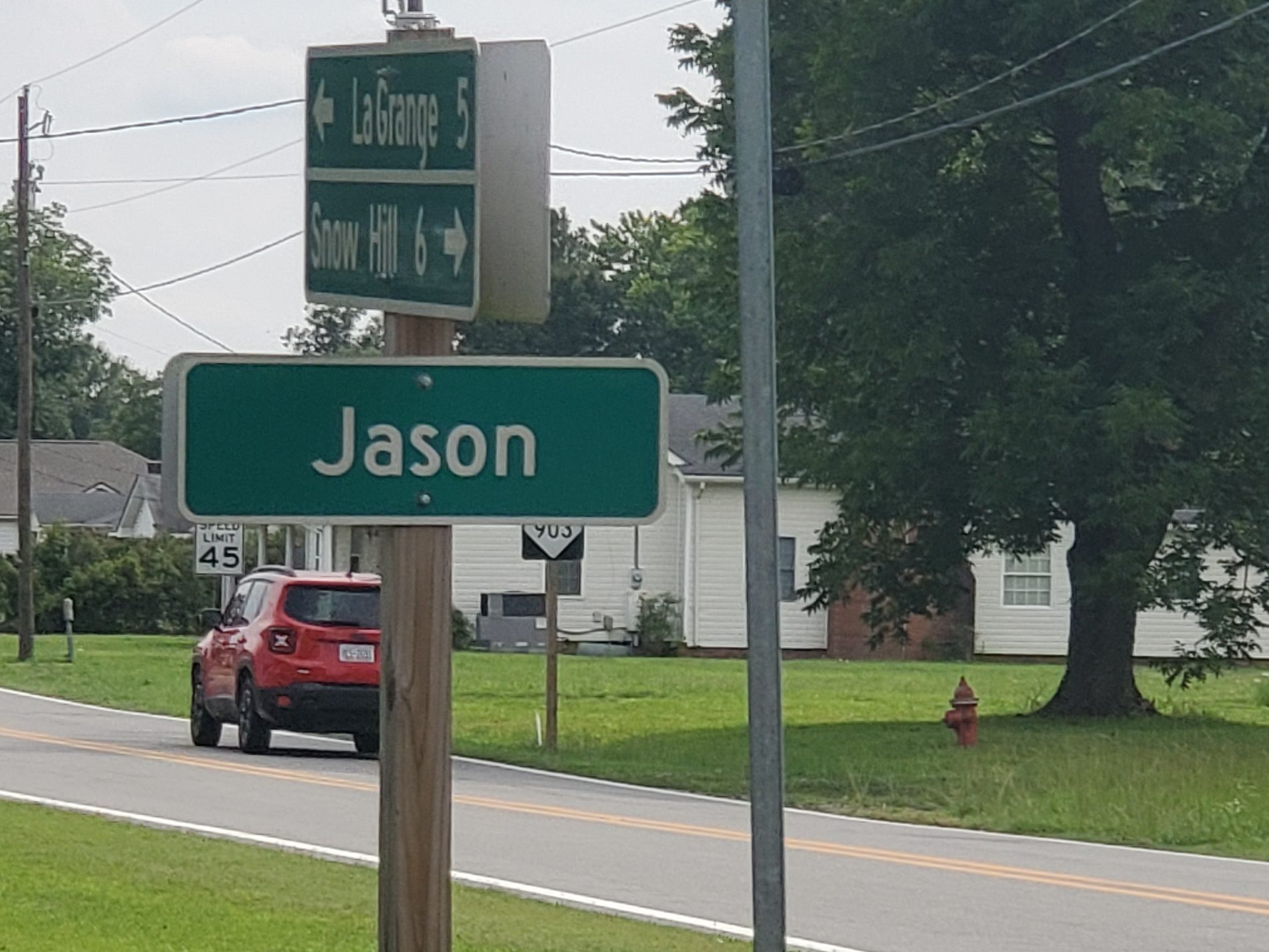
Jason
First named Aloc, meaning “leave alone” by the Tuscarora Indian tribe, the town of Jason was once a prospering town with a furniture store, post office, and general store. One could buy groceries, post a letter, purchase alcohol, and be placed in jail–all in the same building! There was also a cotton mill on the northern side of town, which was one of the first in Greene County.
Coming soon… Lenoir County!
 Portable NC