
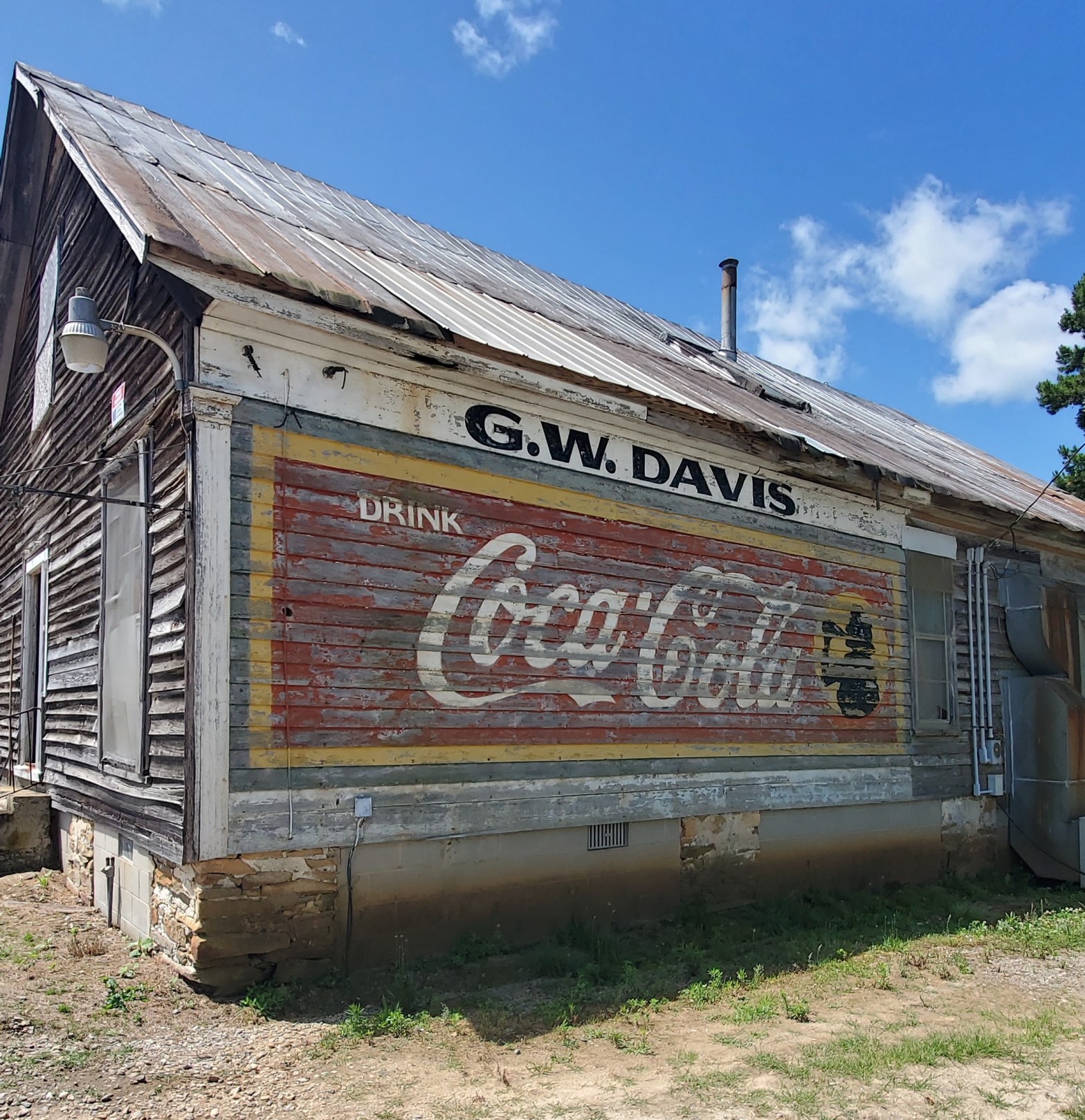
Warren County
Once one of the wealthiest counties in the state from 1840 to 1860 as the center of tobacco and cotton plantations, education, and later textile mills, Warren County is now one of the poorest counties in North Carolina. It was made famous for a landfill scandal and a birthplace of the environmental justice movement.
The county was established in 1779 from the northern half of Bute County. It was named for Joseph Warren of Massachusetts, a physician and general in the American Revolutionary War who was killed at the Battle of Bunker Hill in Boston, MA. The county seat was designated at Warrenton later that year. In 1786, part of Granville County was moved to Warren. In 1881, parts of Warren County, Franklin County and Granville County were combined to form Vance County. Warren also had one of the largest free black populations in antebellum NC, and today has a higher black population than any other ethnicity.
In 1978, a transformer manufacturer contracted a trucking company to illegally dump polychlorinated biphenyls (PCBs) alongside roads in North Carolina. The state of North Carolina assumed responsibility for cleaning up the pollution, and in December 1978, the state government purchased land in the Warren County community of Afton to establish a landfill to dispose of the chemical waste. Local residents began organizing to protest the planned disposal site, arguing better disposal options existed and that a hazardous waste facility would undercut the county’s ability to attracted new industry. National civil rights organizations and politicians became involved, and about 500 protestors were arrested in September 1982 for attempting to obstruct the construction of the disposal site. While the demonstrations did not halt the creation of the landfill, the site was eventually detoxified, and a significant amount of historic records attribute the start of the modern environmental justice movement to the protests in Warren County.
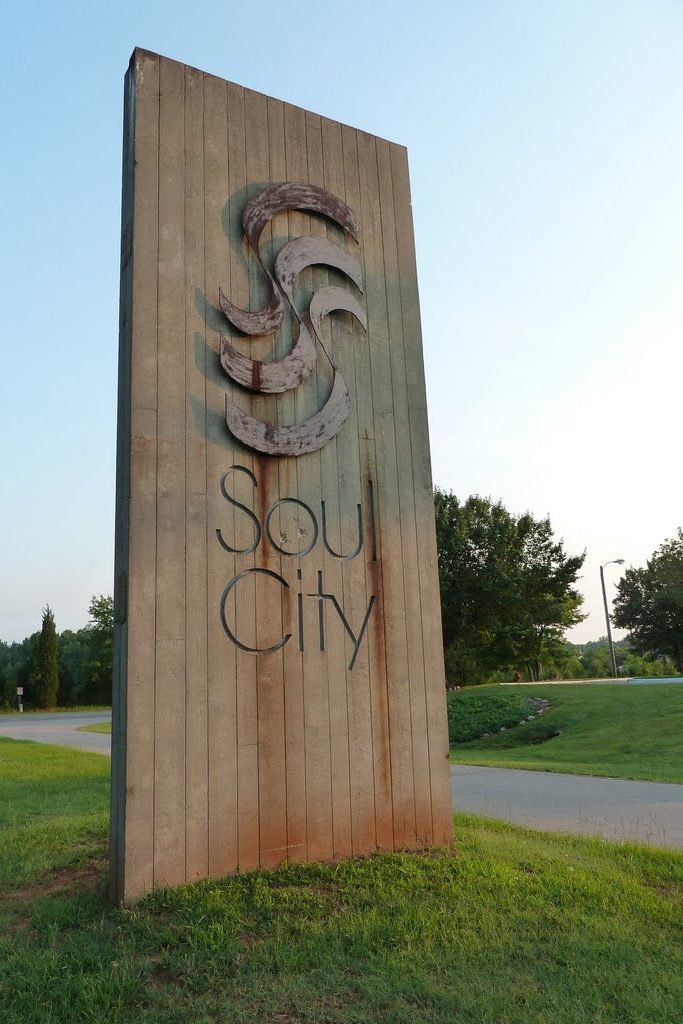
Soul City
Soul City, a “planned community” development, was first proposed in 1969 by Floyd McKissick, a civil rights leader and director of the Congress of Racial Equality. Soul City was intended to be a new town built from the ground up and open to all races, but placed emphasis on providing opportunities for minorities and the poor. It was also designed to be a means of reversing out-migration of minorities and the poor to urban areas; the opportunities Soul City provided, such as jobs, education, housing, training, and other social services would help lessen the migration.
The city was planned to contain three villages housing 18,000 people by 1989. Soul City was projected to have 24,000 jobs and 44,000 inhabitants by 2004. It was intended to include industry and retail development for jobs, as well as residential housing and services. The plan was for residents to work, get schooling, shop, receive health care, and worship in town. Soul City was the first new town to be organized by African-American businesses. McKissick envisioned Soul City as a community where all races could live in harmony.
The town was funded by the Department of Housing and Urban Development (HUD). Soul City was one of 13 model city projects under the Urban Growth and New Community Development Act. It was located on 5,000 acres in Warren County near Manson-Axtell Road and Soul City Boulevard in Norlina.
It has not been successful in attracting business and industry, and has not developed as much housing as intended. Today, only an eerie monument sign remains.
Ridgeway
Ridgeway is a small community in Warren County that hosts the Ridgeway Cantaloupe Festival each year in July.
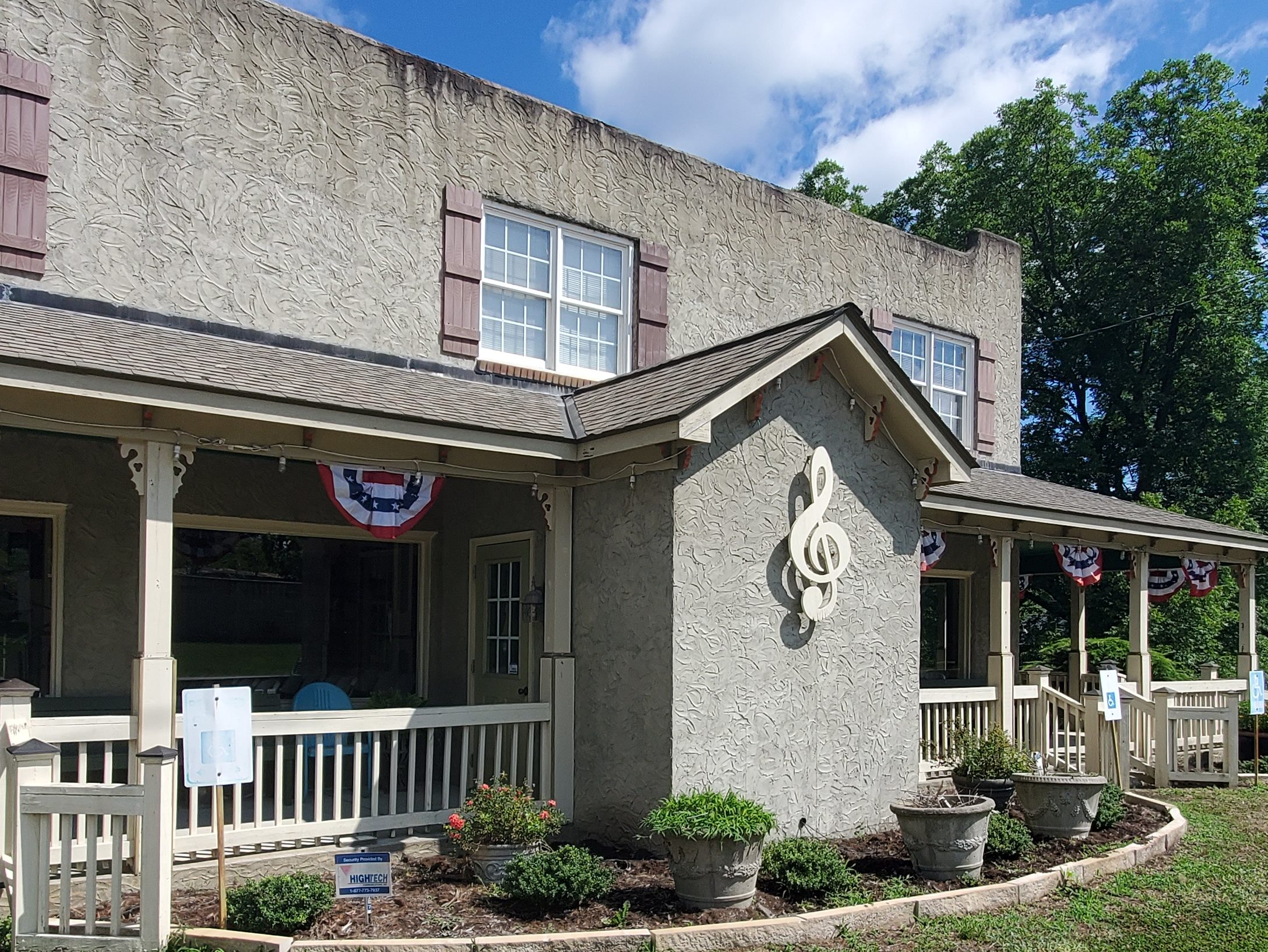
Ridgeway Opry House
The Ridgeway Opry House is still a casual entertainment venue along 704 US Highway 1 South.
Norlina
Norlina was first called the “Ridgeway Junction” in 1837. As a railroad passed through this area, many citizens started to sell wood and water to the railroad. Eventually this began to expand, and in the 1860s the name changed to the “Woodyard”. By the 1870s, the area had grown in business, and was referred to as the “Junction.” The Seaboard & Raleigh Railroad had just been formed, and the “Junction” was now thriving with its business. A small community was formed, including two hardware stores, a horse-drawn taxi service, and smithing shops. By 1900, John Williams established the Seaboard Air Line Railway and it grew to over 4,680 miles. This small group of people had turned the railway stop into a real town. In 1913, the name Norlina was coined, being a portmanteau of the beginning of “North” and the ending of “Carolina.”

Seven Springs Farm and Vineyard
Located near Ridgeway (332 Axtell Ridgeway Rd), Seven Springs Farm and Vineyard (opened in 2017) is a small, family-owned and operated farm and vineyard. The family-owned property has seven naturally created springs that have been in the family since about 1990.

Warrenton
Founded in 1779, Warrenton is the county seat of Warren County. It became one of the wealthiest towns in the state from 1840 to 1860, being a trading center of an area of rich tobacco and cotton plantations. Interestingly, more than 90 percent (more than 200) of its buildings are listed in the National Register of Historic Places and its National Historic District encompasses nearly half the town’s area. William Christmas platted and surveyed the streets and lots and public squares, and he established 100 lots of one-half acre each, convenient streets and squares, and a common area for the use of the town.
The area was originally developed as tobacco and cotton plantations and Warrenton served as a regional center for trade and entertainment. In the 1850s, the town became a busy center of commerce when the railroad was built to improve shipping of the commodities of the rich tobacco and cotton fields to markets.
The town holds many community events including a Christmas Parade in December, a Fright Night in October, a SpringFest, Run Warrenton (a 5K Road Race), and a Harvest Market in October.
Visitors can take a self-guided Walking Tour of the town. Several establishments have community maps available, and you may also find a map in the large outdoor display case to the left of the Hardward Café (see above image).

While in Warrenton, stop by for a bite of lunch at the Hardware Café, an old hardware store that has been reimagined as a café. Then visit Locorum, a black-owned vodka and moonshine distillery.
Next stop… Greene County!
 Portable NC